
Technical Forum
Engineering deep dives: tolerances, debinding, sintering and process know-how for MIM parts.
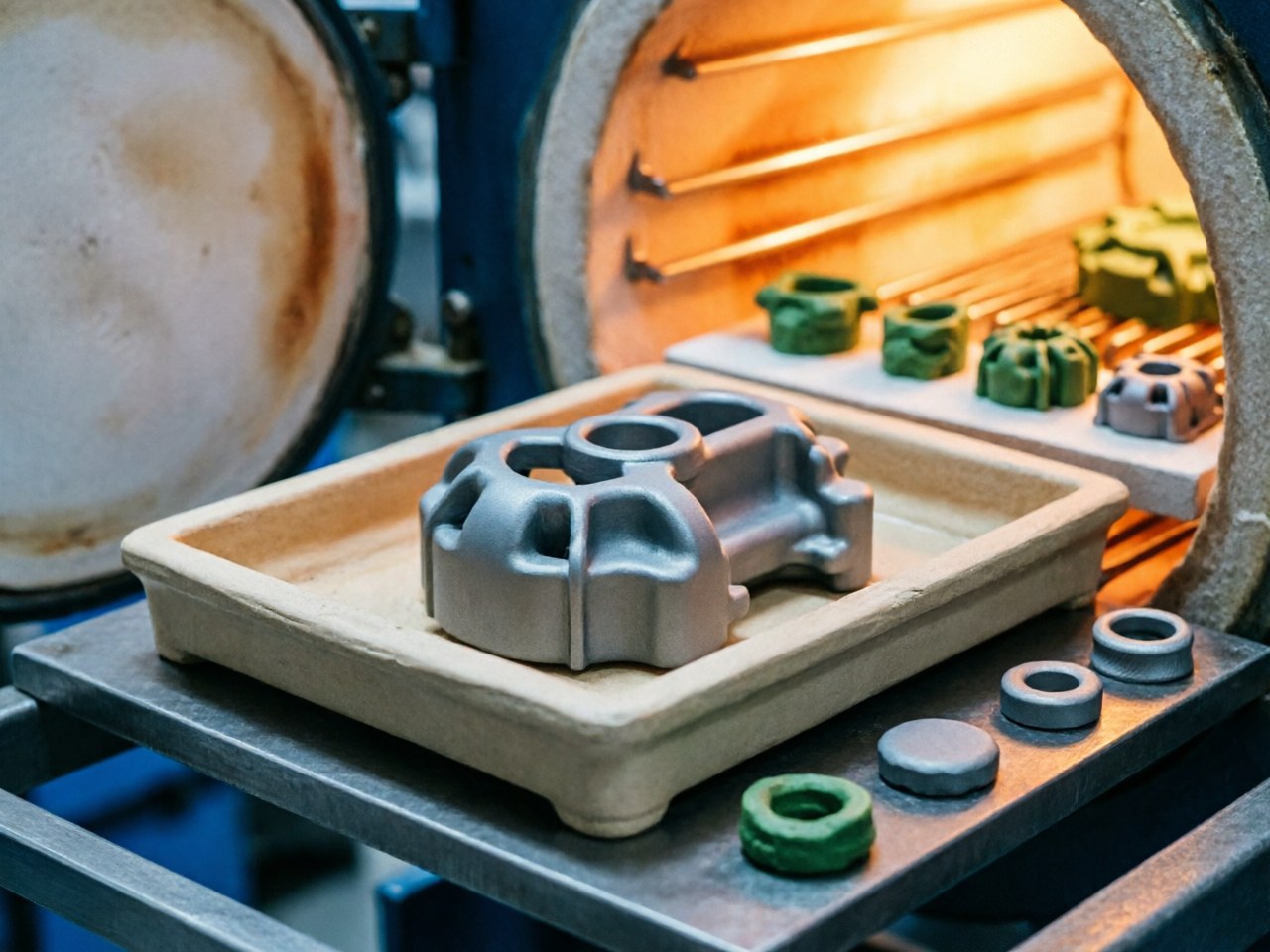
Metal Injection Molding (MIM): Process Chain, Capability Boundaries, and Typical Applications
Design engineers and procurement teams often adopt metal injection molding for complex, high-volume components but struggle with regulatory uncertainty and capability misalignment across the multi-step manufacturing chain. This article maps the complete MIM workflow from…
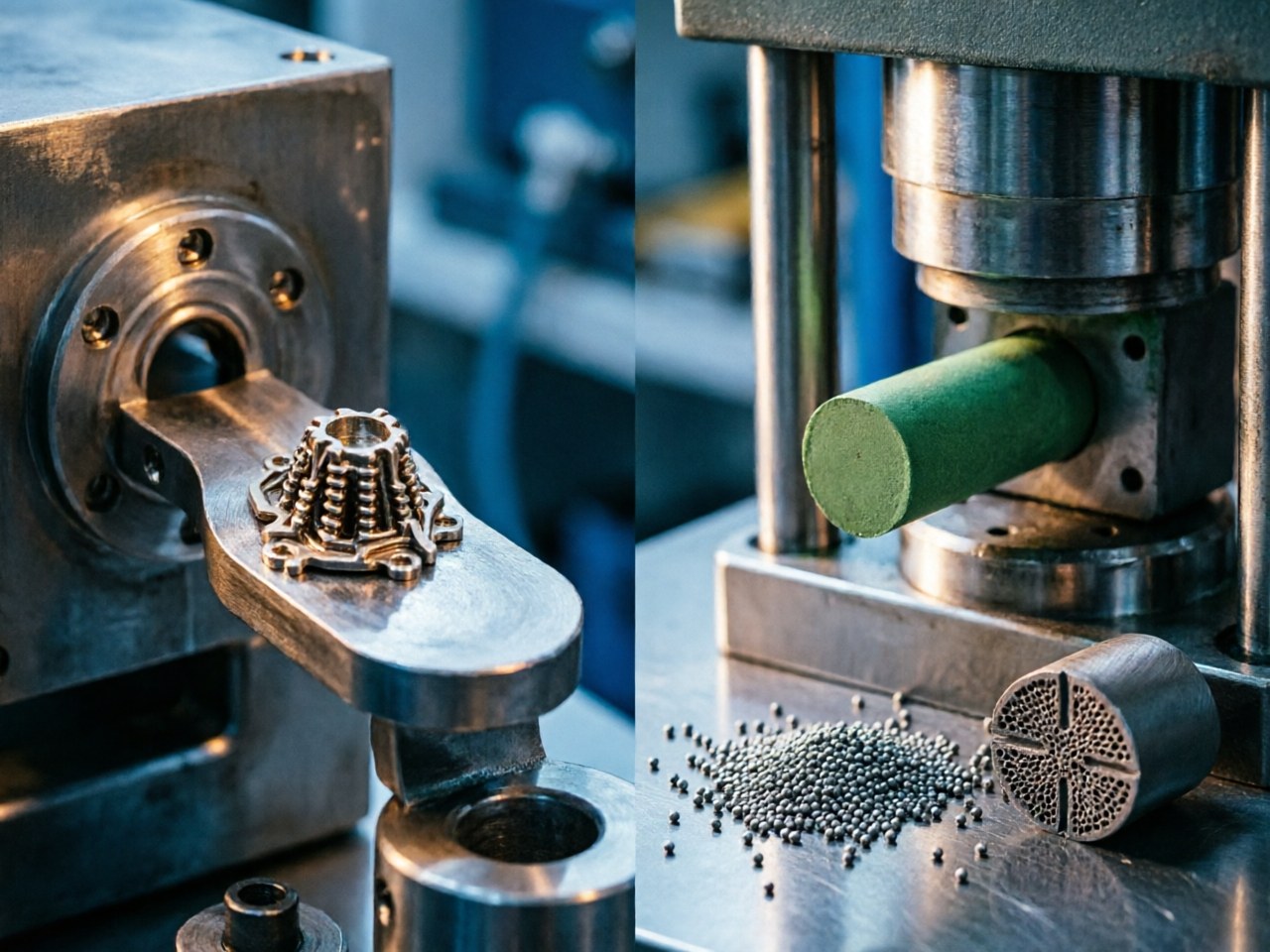
How Does MIM Differ from Powder Metallurgy (PM)? Process Route, Density & Cost Optimization Strategy
Selecting between Metal Injection Molding (MIM) and conventional Powder Metallurgy (PM) is a critical decision that directly impacts component performance, manufacturing cost, and supply chain efficiency. Engineers and procurement teams often face trade-offs between geometric…
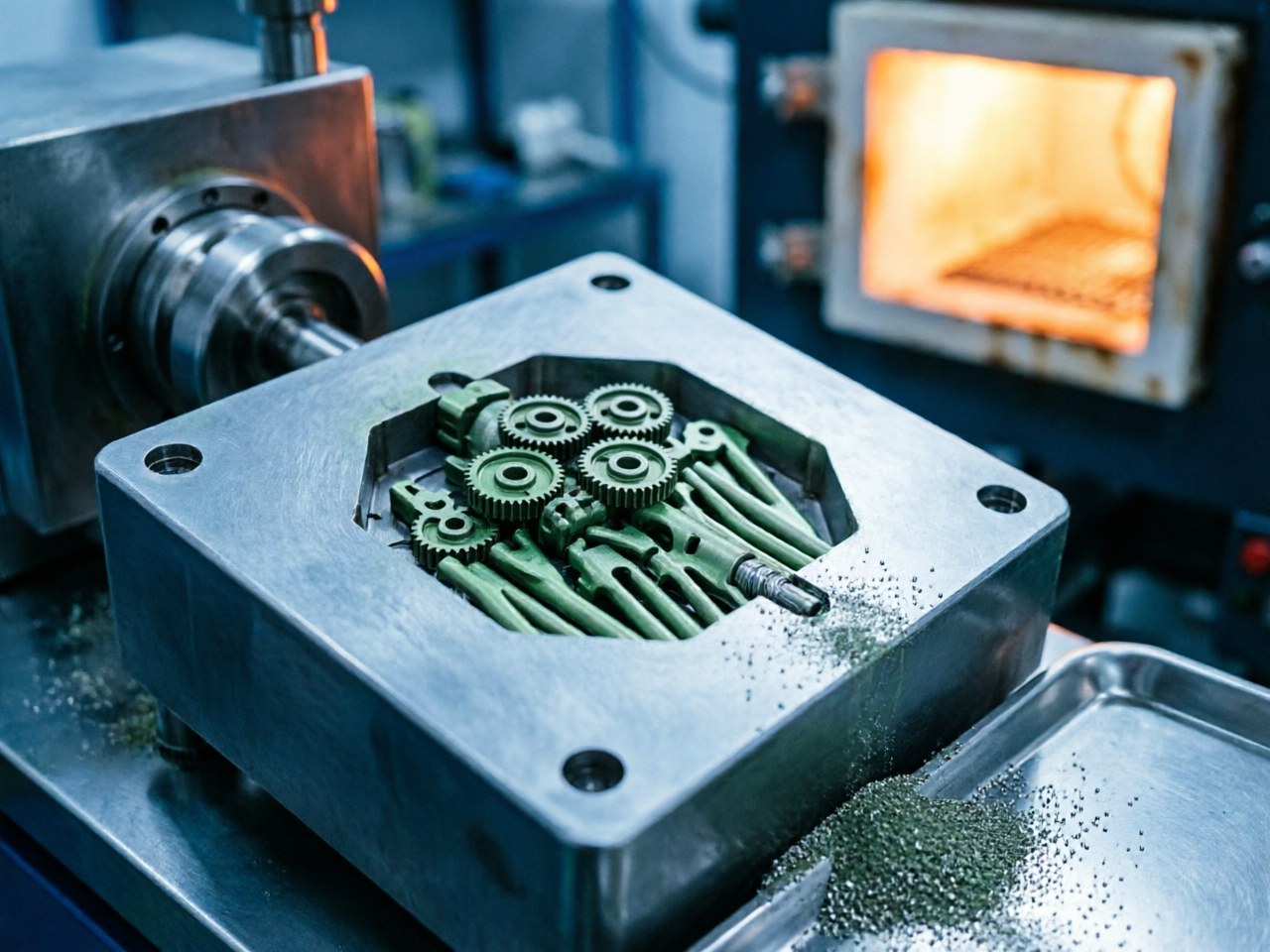
What Is Metal Injection Molding (MIM)? Process Workflow, Suitable Parts, and Key Capability Indicators
Design engineers and procurement teams frequently struggle with small, geometrically complex metal parts because traditional manufacturing forces costly trade-offs. CNC machining generates excessive waste at scale, investment casting struggles with thin walls, and conventional…
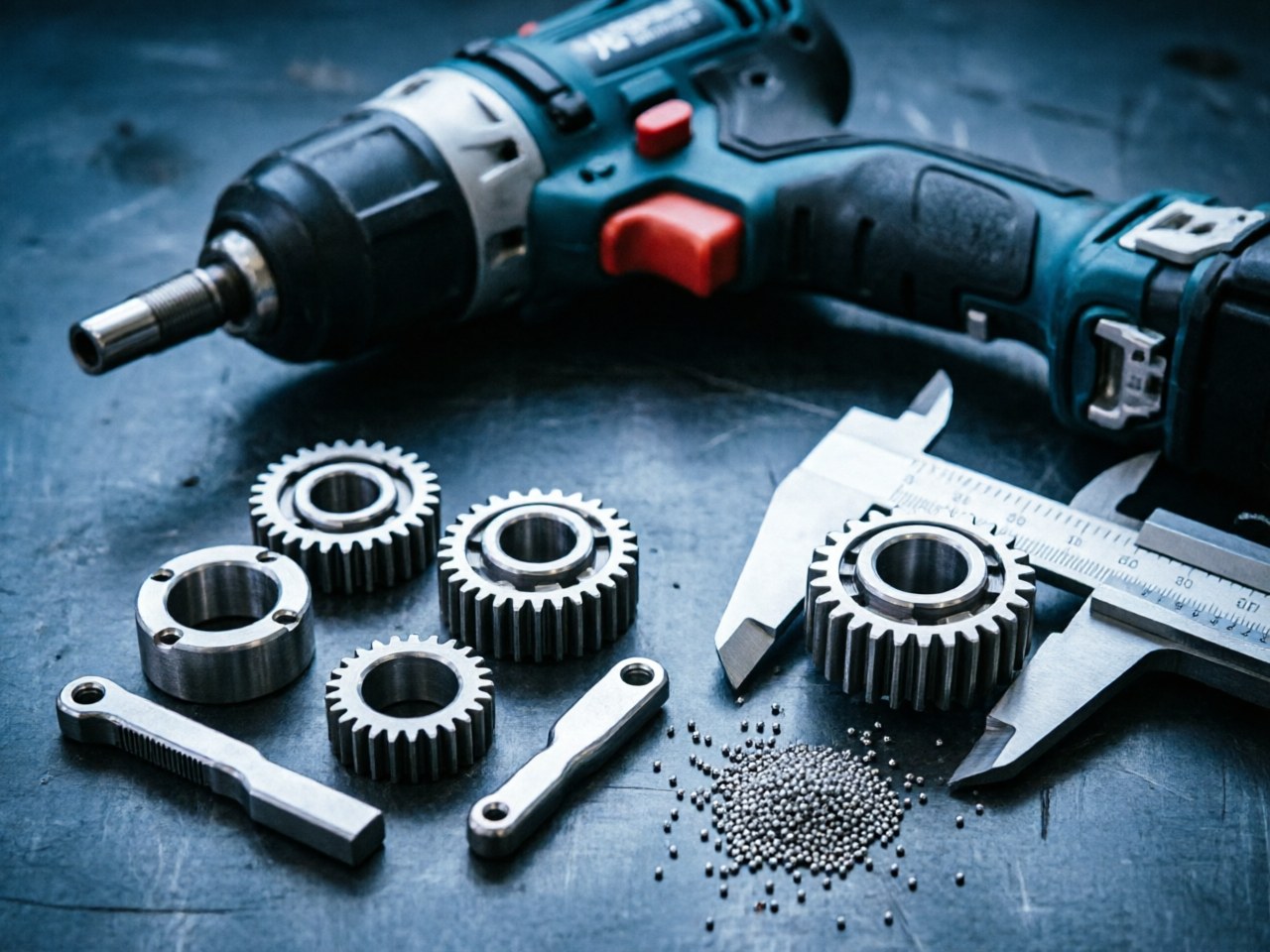
Stainless Steel MIM Parts for Power Tools: An Optimization & Selection Guide
Electric power tool components face extreme operational demands, including high cyclic torque, harsh corrosion exposure, tight dimensional tolerances, and complex internal geometries. Traditional manufacturing routes like CNC machining, investment casting, or conventional…
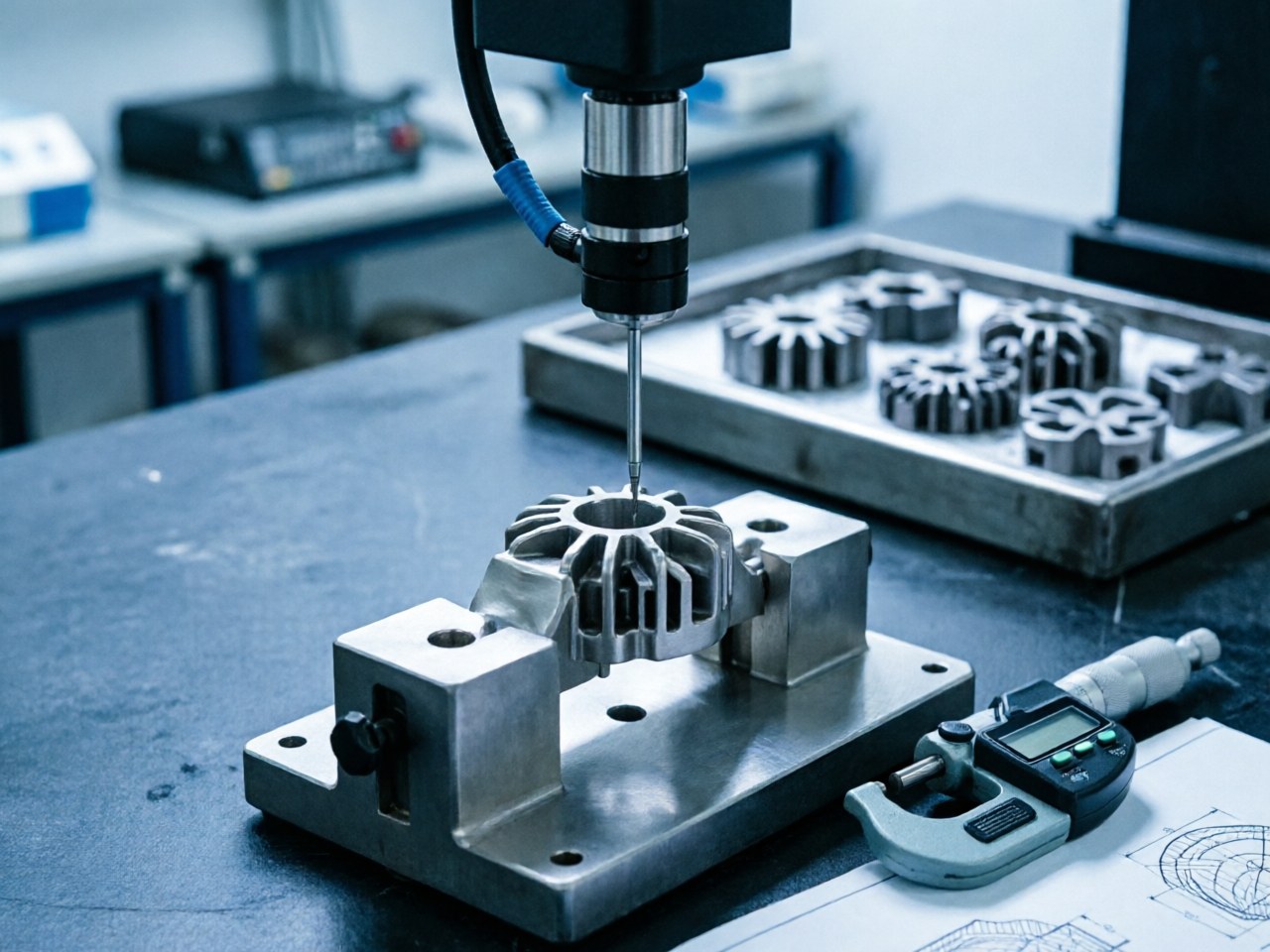
Understanding MIM Tolerances: From ±0.5% to ±0.3%
Design engineers and procurement teams frequently struggle with specifying realistic dimensional tolerances for metal injection molded components, often facing costly trade-offs between over-engineering and assembly failures. This article examines the fundamental drivers of…
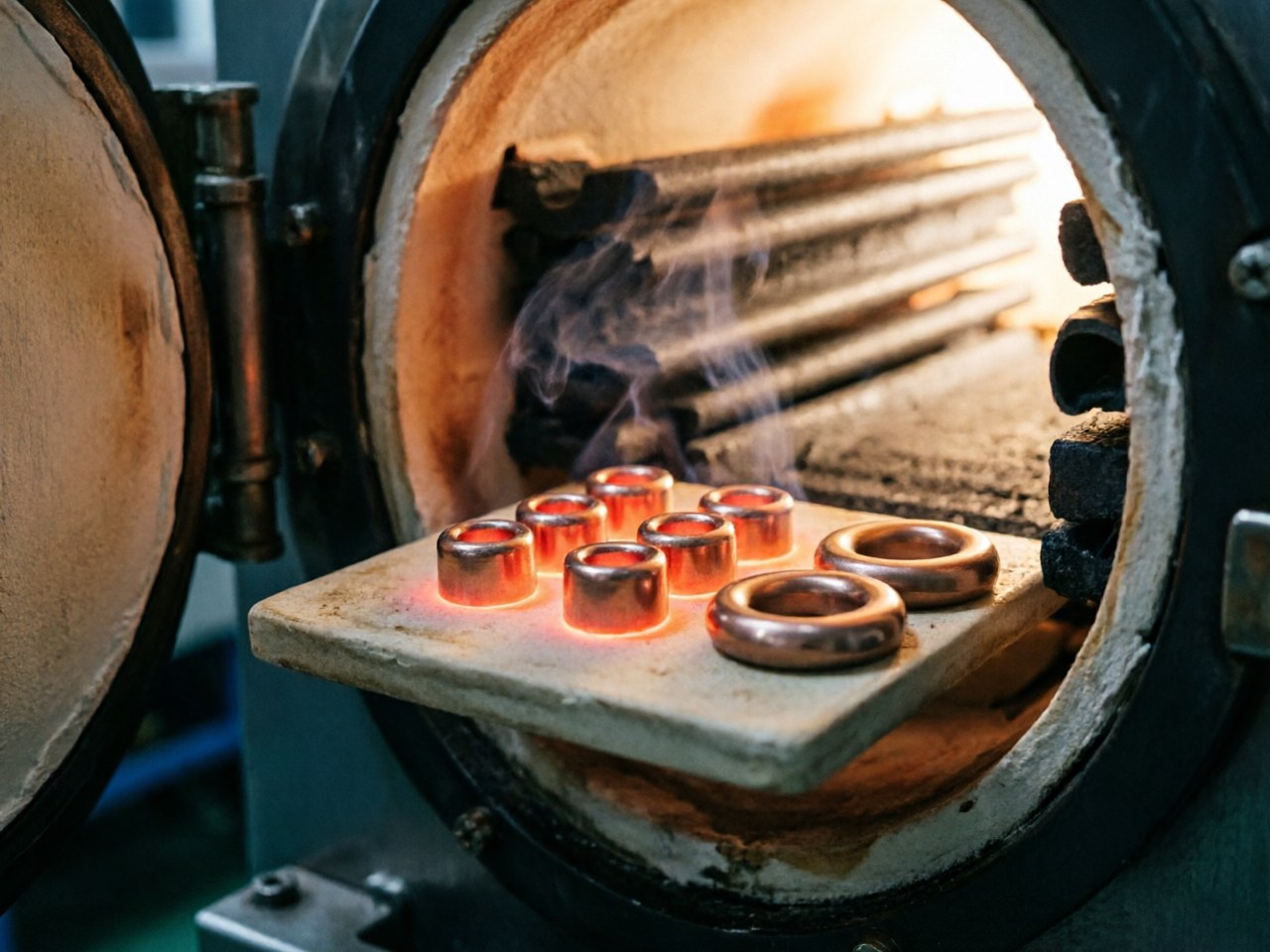
Debinding and Sintering: The Critical Processes That Determine MIM Part Density
Achieving consistent density in metal injection molded components remains a persistent engineering hurdle, as residual porosity and dimensional distortion directly compromise mechanical performance and regulatory compliance. This article examines how debinding and sintering…