
Technical Forum
Engineering deep dives: tolerances, debinding, sintering and process know-how for MIM parts.
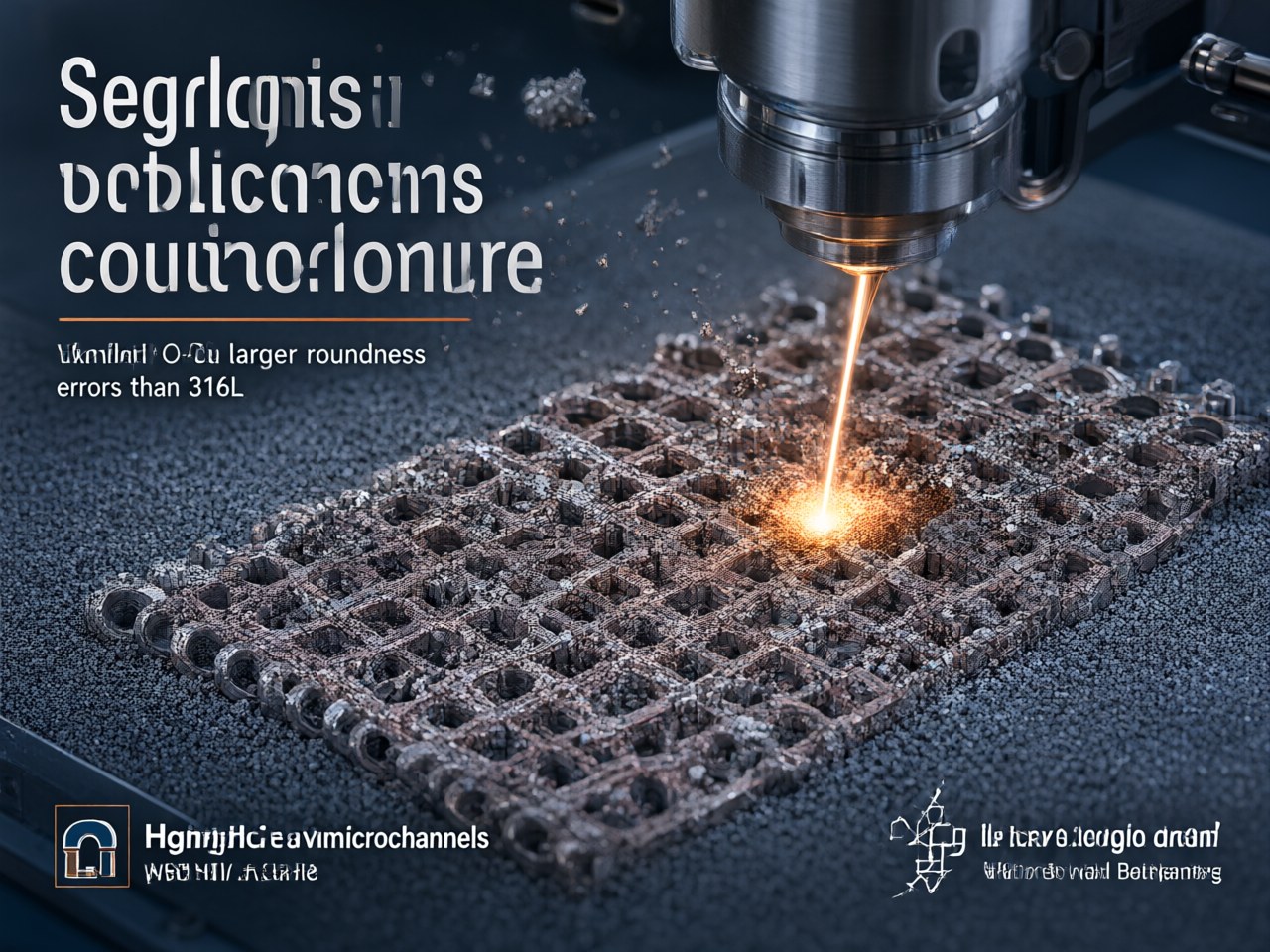
Forming accuracy improvement of W-Cu microchannels fabricated by laser powder bed fusion
Highlights • W-Cu microchannels exhibit larger roundness errors than 316L, with relative deviations more pronounced at smaller radii. • Post-contour scanning significantly improves 316L accuracy, whereas zoned annular scanning is more beneficial for W-Cu. • Poor forming…
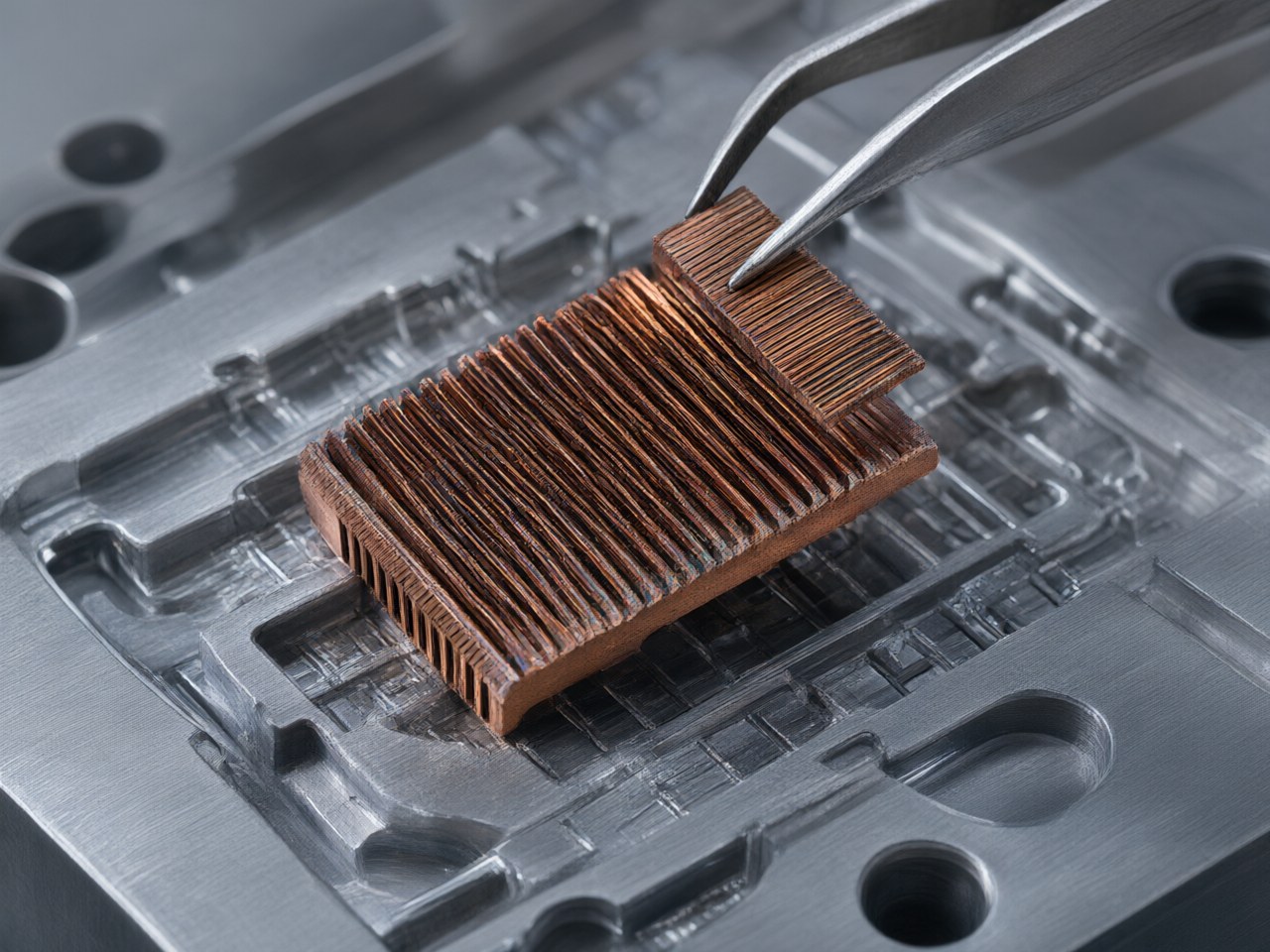
How Fine Can Copper MIM Micro-Fins and Micro-Channels Get? Feature Size, Demolding, and Sintering Distortion Boundaries
Next-generation thermal hardware for 5G optical transceivers and high-density computing modules requires ultra-thin copper micro-fins and micro-channels. While traditional CNC machining struggles with unit costs at high volumes, copper metal injection molding offers a highly…
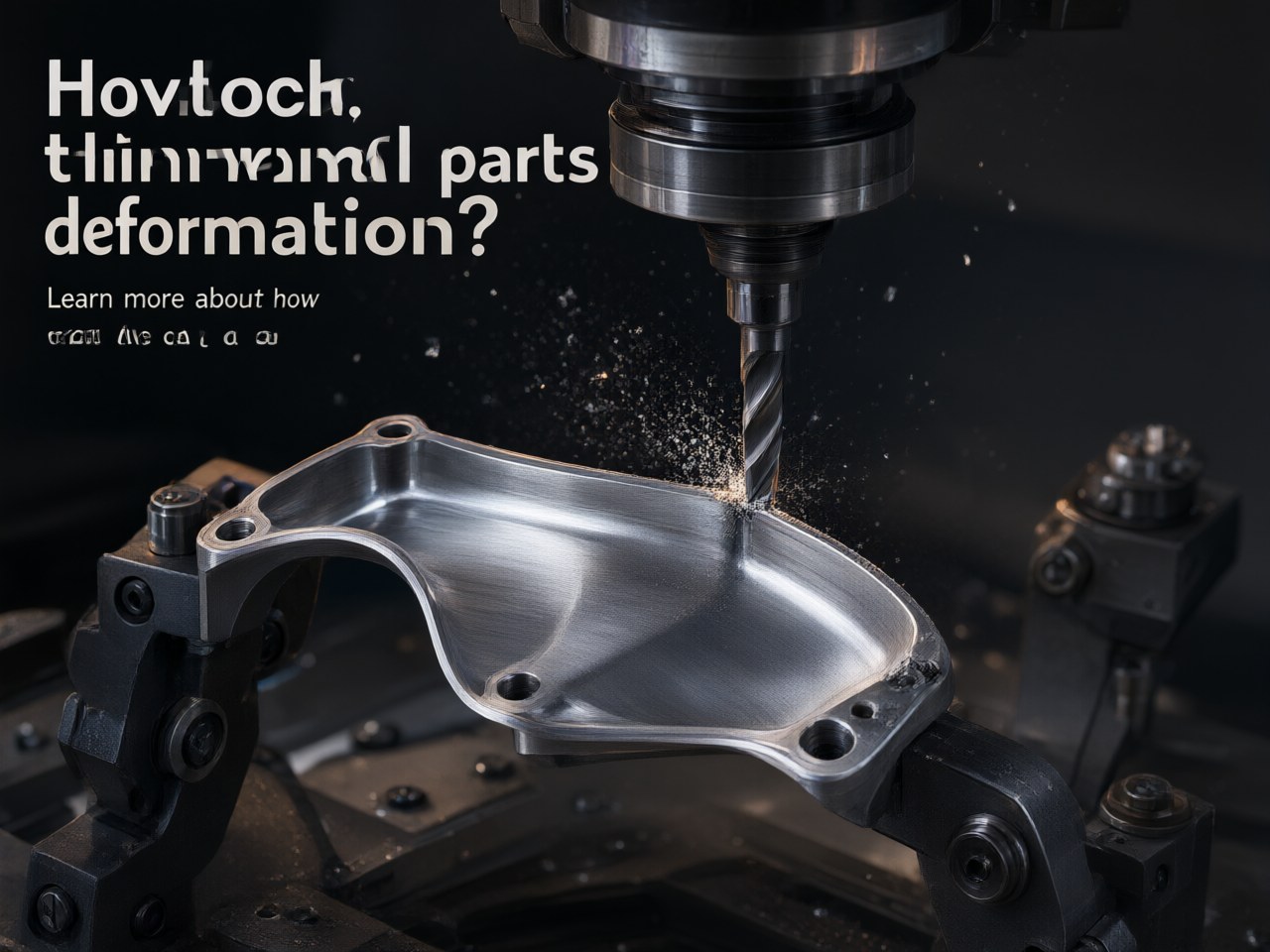
Stop Wasting 38% on Thin-Wall CNC Parts: Achieve ±0.01 mm Tolerances Without Rework
Having problems with thin-wall CNC parts deformation? Learn more about how we can help with solving your problem through our applications in over 1200 projects. Learn minimum wall thickness, adaptive fixturing, and AI DFM analysis for getting ±0.01 mm precision and zero scrap.
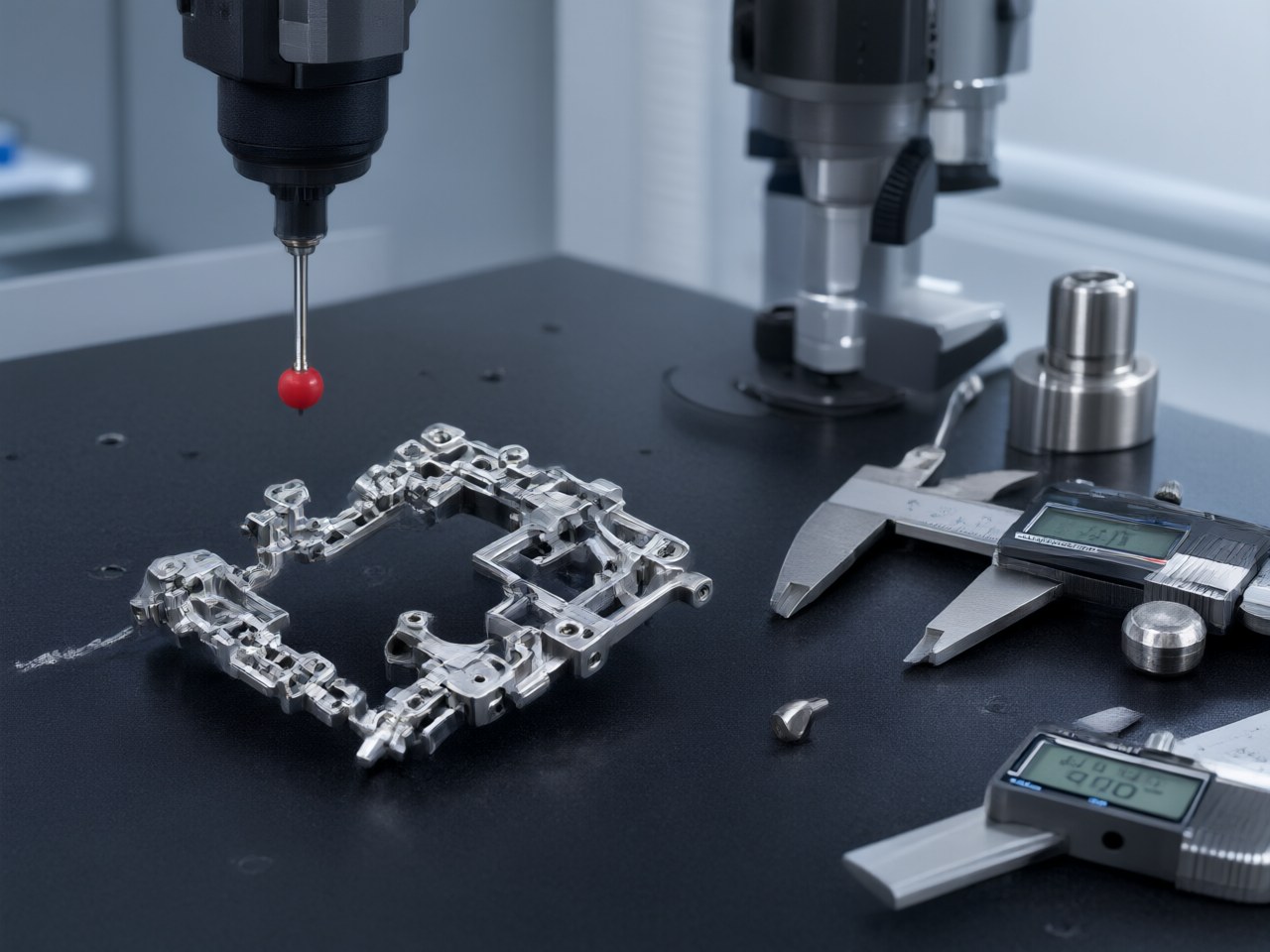
Design for Manufacturability in Medical Device Injection Molding
The parts that cause the most trouble in production rarely look problematic on screen. A wall may be slightly too thick. A snap-fit may ignore material shrinkage. A surface finish may be specified for appearance instead of function. None of these necessarily flags as an error…
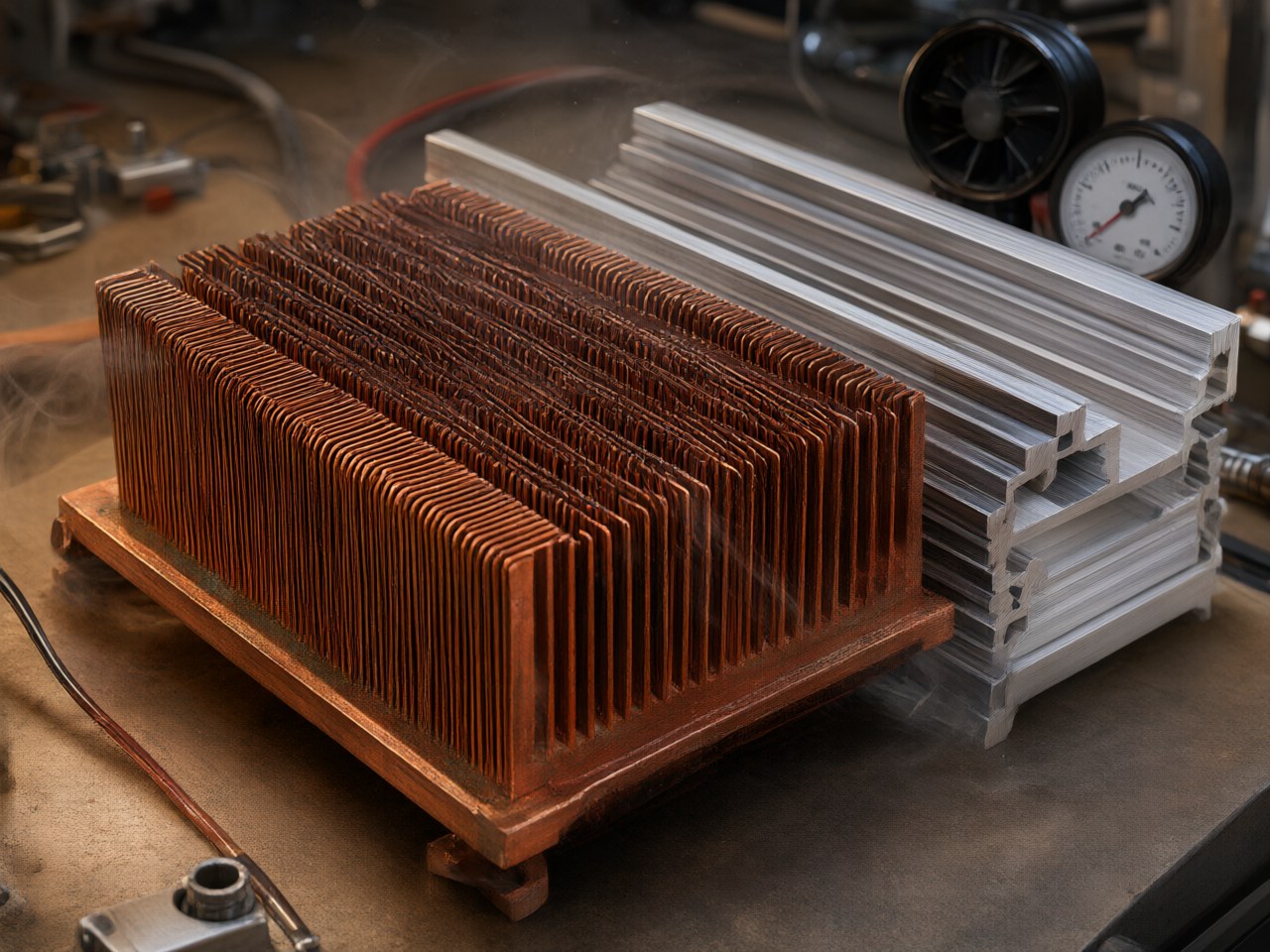
Near-Net-Shape Copper Heat Sinks vs. Extruded Heat Sinks: Balancing Micro-Fin Density and Pressure Drop
Thermal engineers often face a critical tradeoff: increasing heat sink fin density improves convective cooling but drastically raises pressure drop, potentially exceeding the capacity of system fans or liquid pumps. This article compares conventional aluminum extrusions…
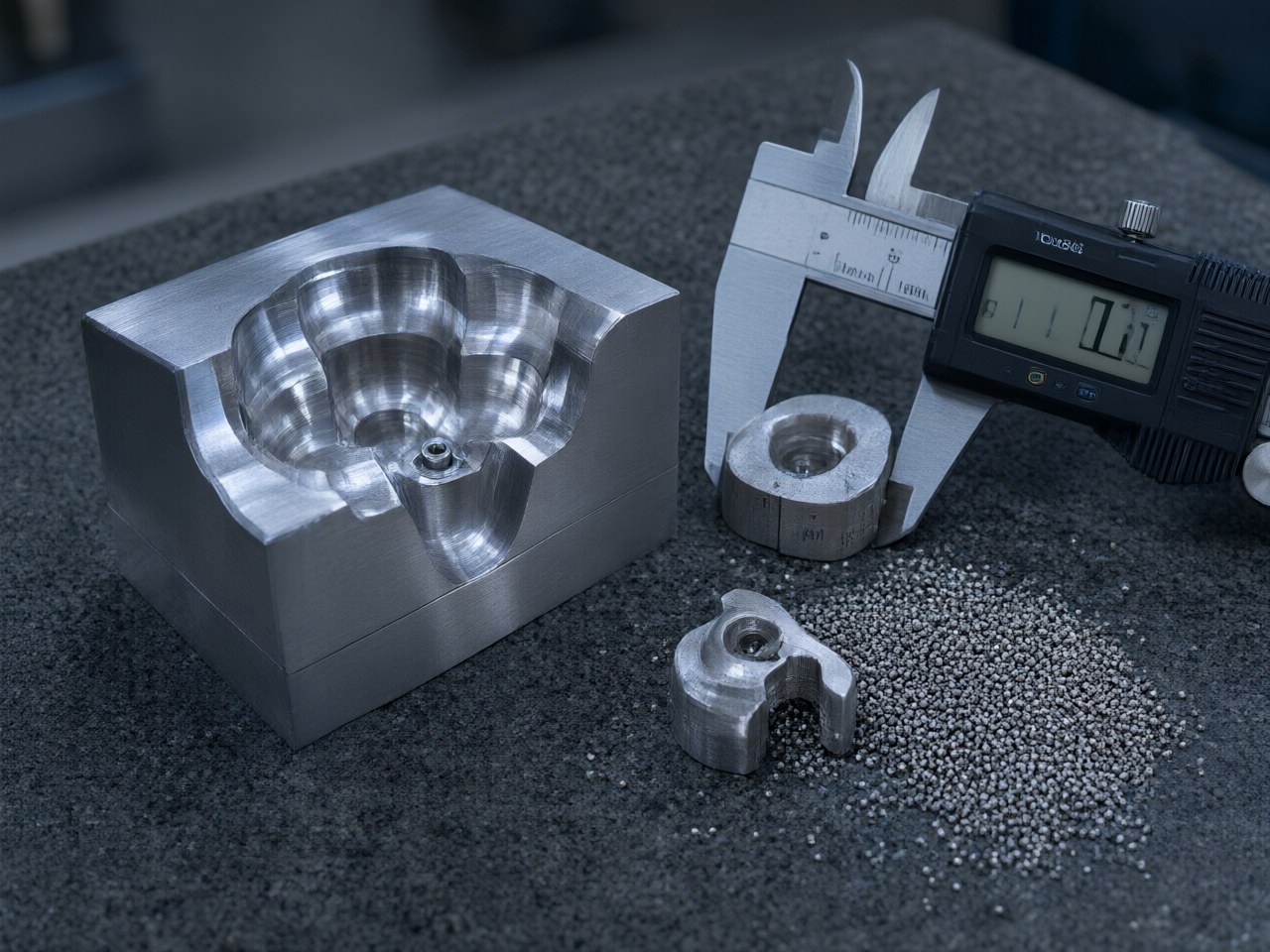
Key Principles of MIM Mold Design: Parting Lines, Gate Placement, and Shrinkage Compensation
Metal injection molding presents unique mold design challenges compared to plastic injection, primarily due to high sintering shrinkage, abrasive feedstocks, and fragile green parts. Poor initial tooling decisions lead to costly flash, weld-line cracking, and out-of-tolerance…
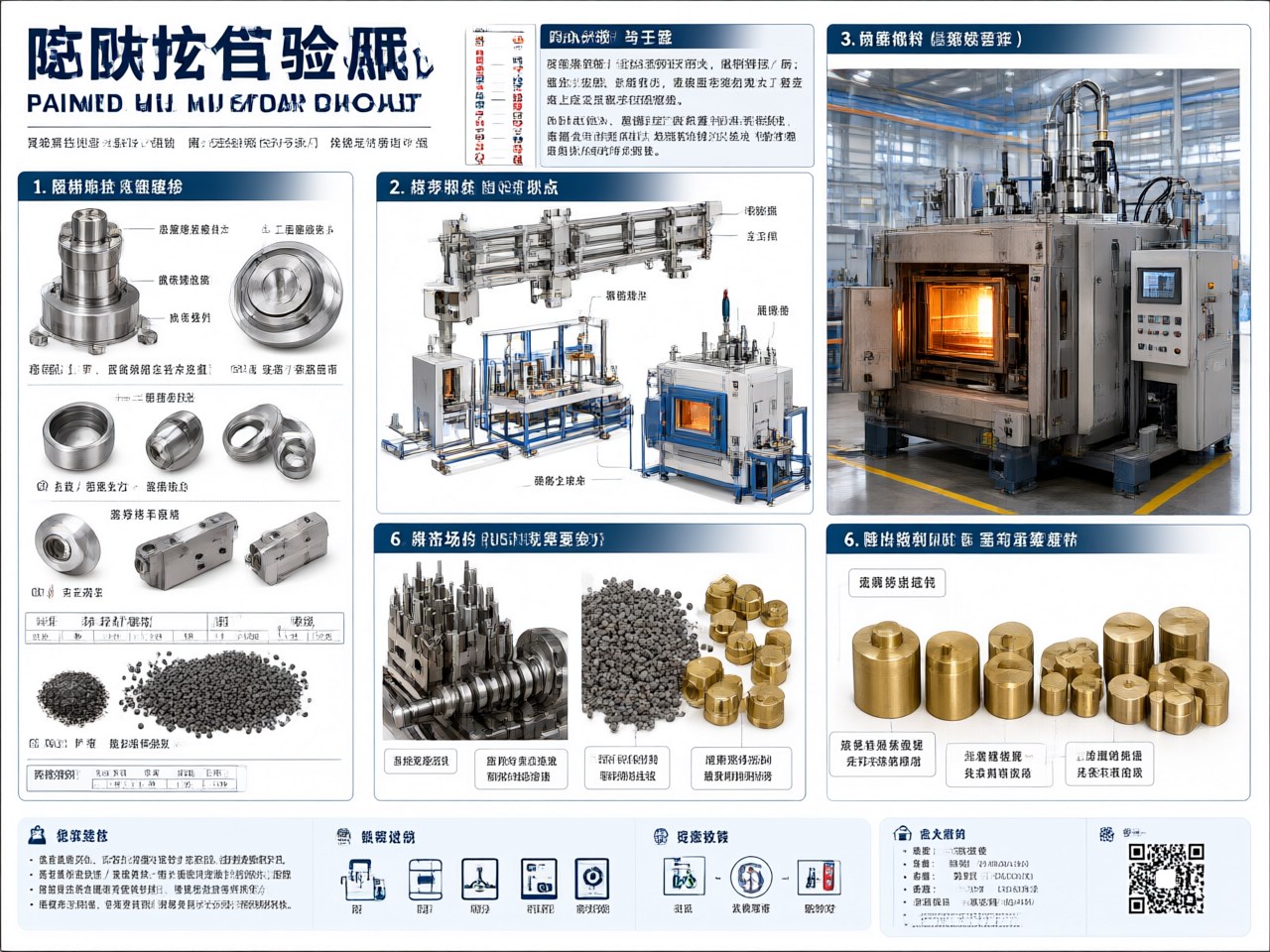
How Does MIM Vacuum Sintering Affect Relative Density — and How to Consistently Achieve 98%+?
In metal injection molding, achieving a target relative density above 98 percent is a critical engineering challenge that directly dictates furnace selection, atmosphere routing, and post-processing costs like hot isostatic pressing. A common early mistake is freezing part…
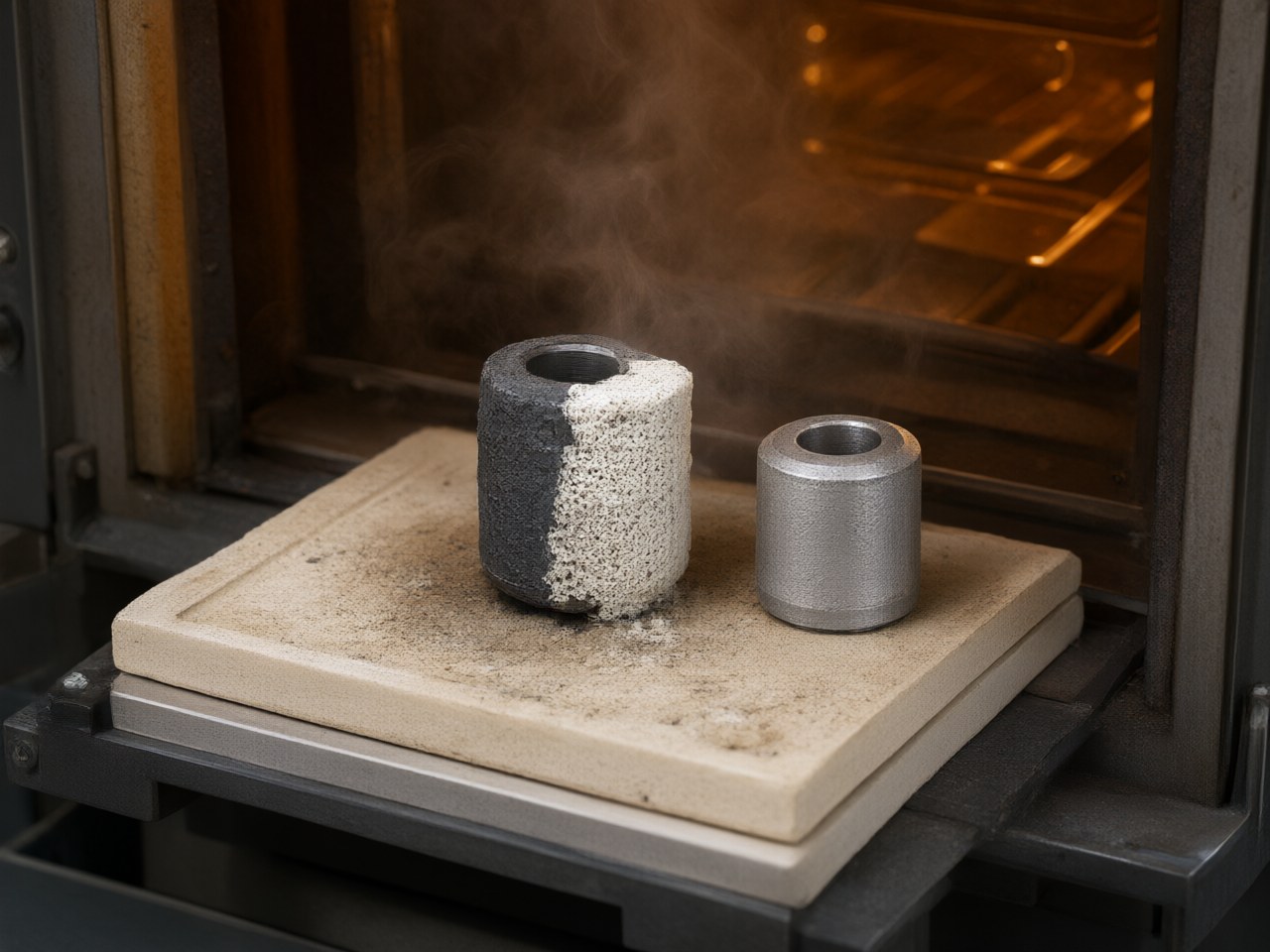
How Does Catalytic Debinding Differ from Solvent and Thermal Debinding? Which Suits 17-4PH and 316L Best?
Debinding is the most critical and risky step in metal injection molding, directly impacting cycle time, dimensional accuracy, and residual carbon levels. Selecting the incorrect binder and debinding combination leads to severe defects, increased scrap, and hidden…
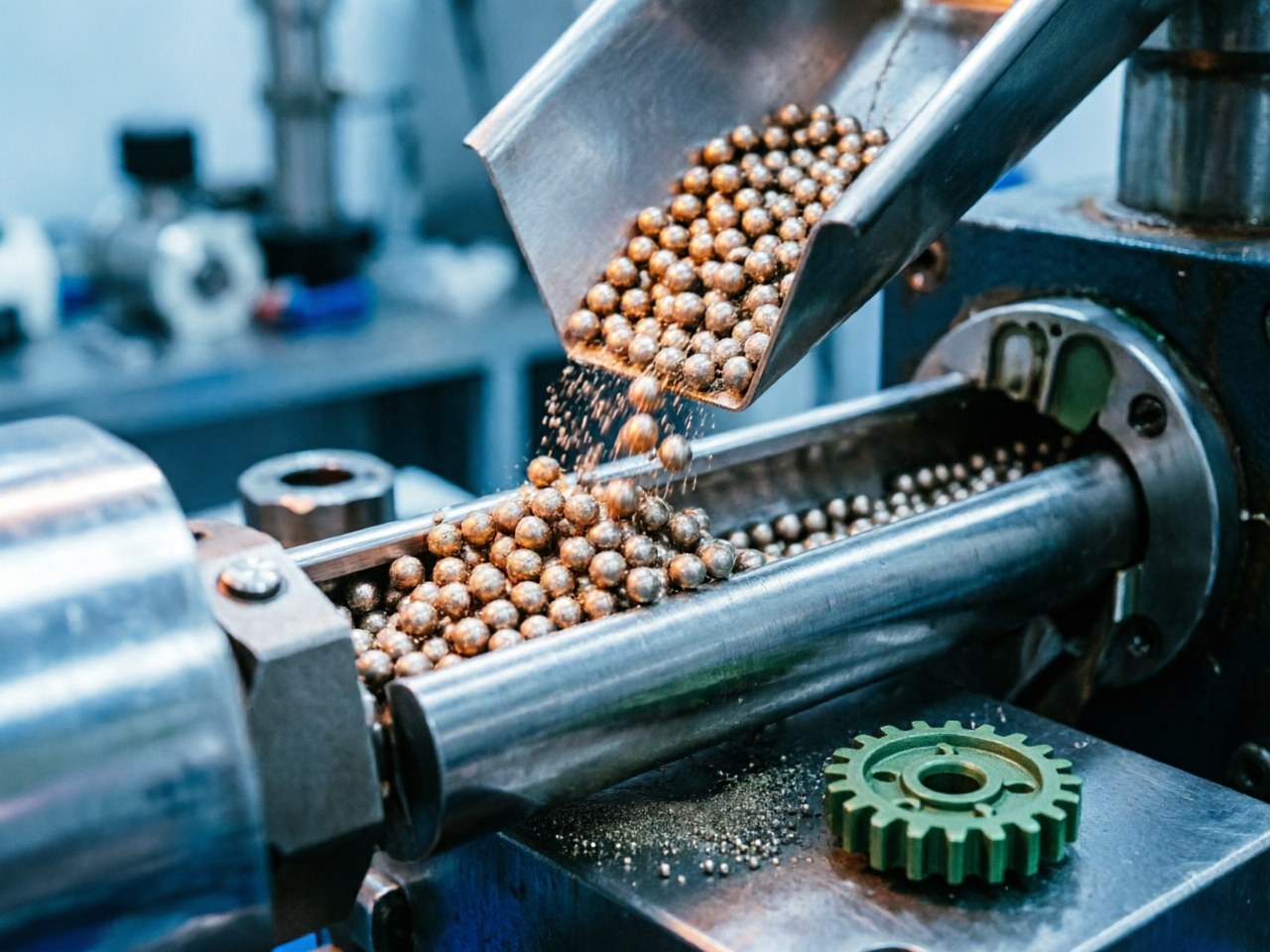
What Is MIM Feedstock? How to Match Binder Systems, Powder Loading, and Injection Molding Process
Metal injection molding part quality hinges on feedstock formulation, yet mismatched binder rheology and powder loading frequently cause injection defects, debinding failures, and dimensional instability. This article examines how to systematically match binder chemistry…
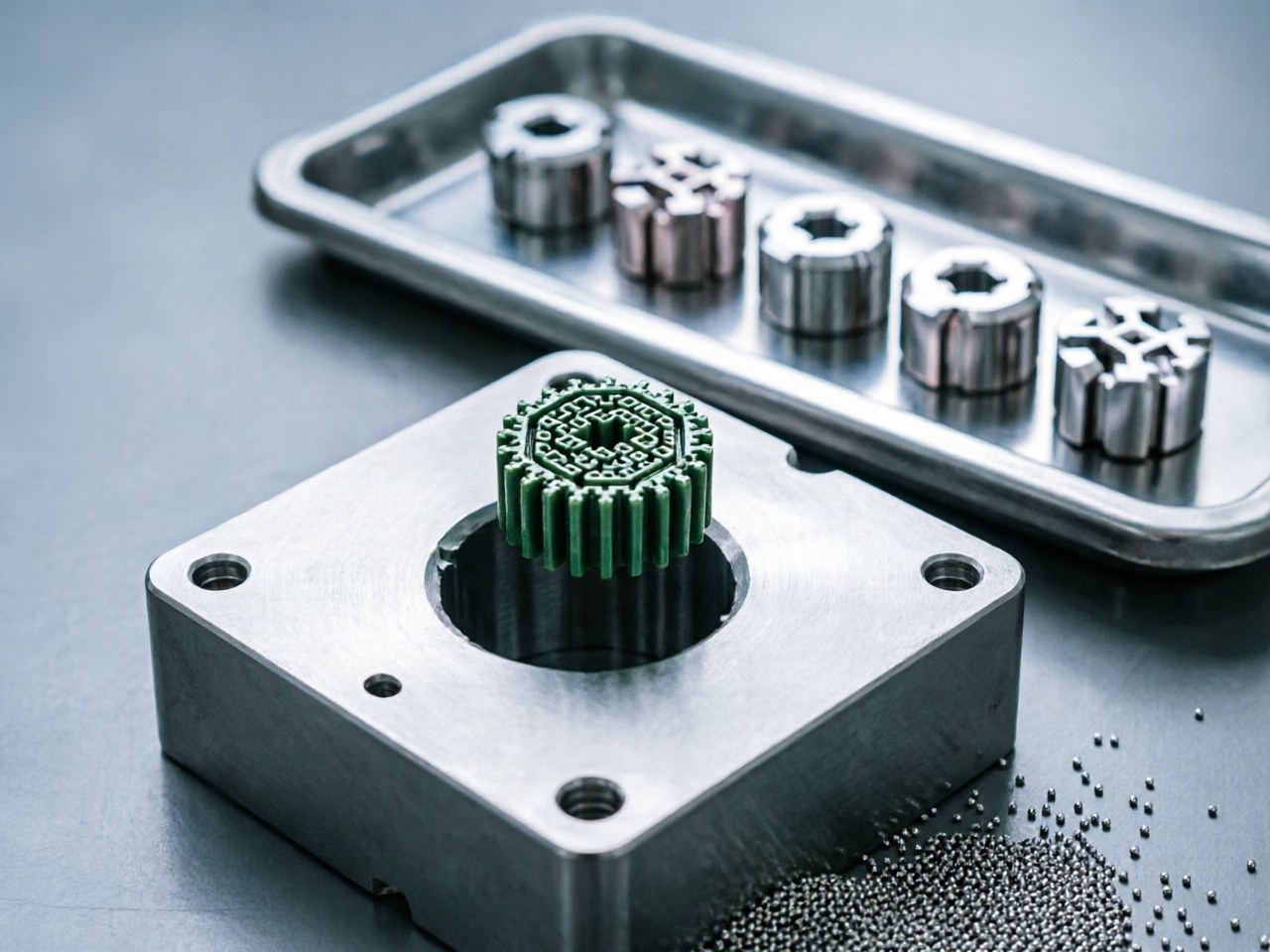
What Are the Advantages of MIM over Investment Casting and Stamping? Which Scenarios Best Suit Near-Net-Shape Forming?
Selecting the optimal manufacturing process for complex, small-scale metal components is a persistent challenge that directly impacts total cost of ownership and design integrity. This article presents a structured comparison of Metal Injection Molding, investment casting, and…
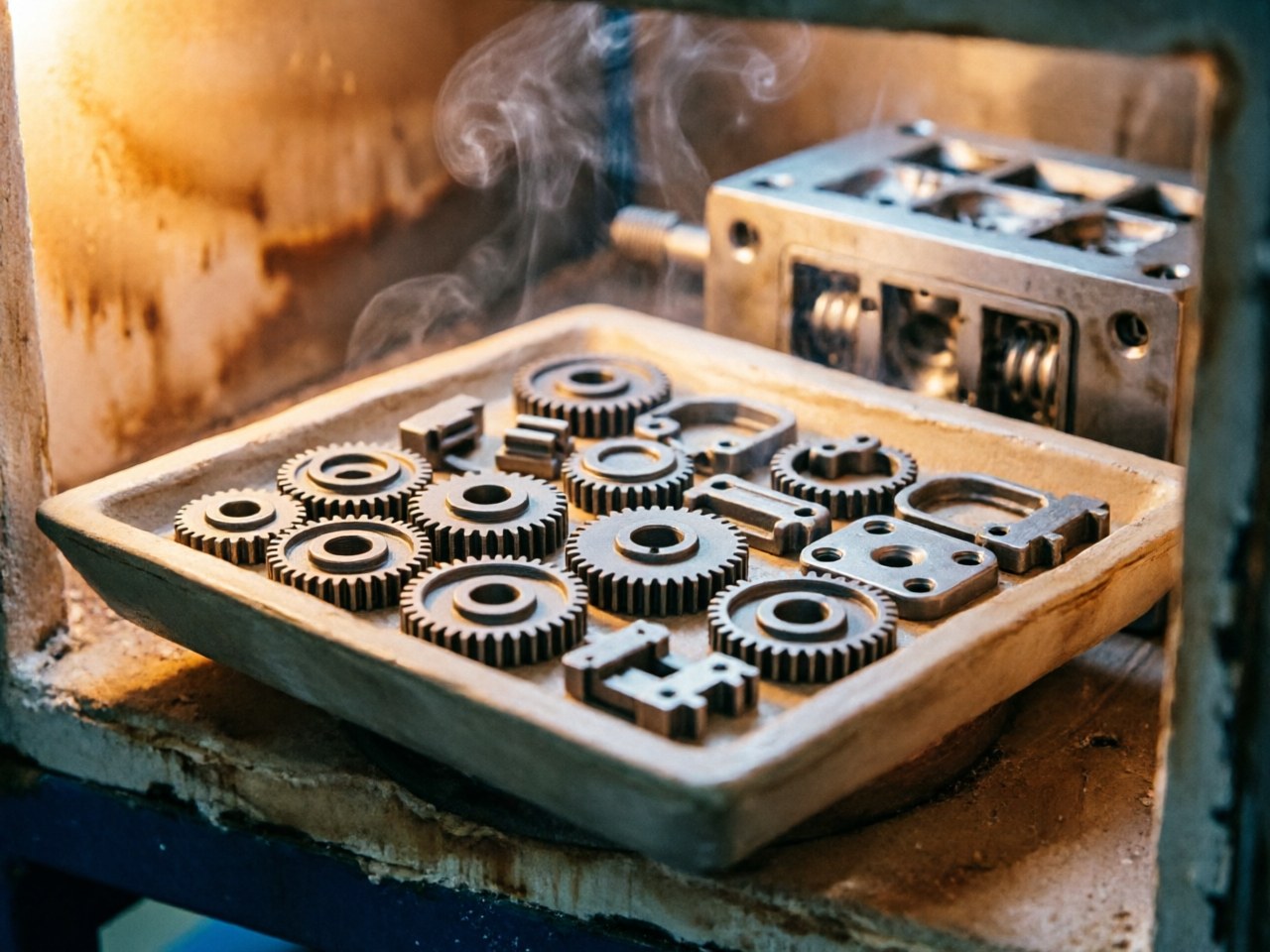
What Is Metal Injection Molding (MIM)? Process Workflow, Suitable Parts, and Key Capability Indicators
Design engineers and procurement teams frequently struggle to manufacture small, geometrically complex metal components at scale without incurring excessive material waste or escalating per-part costs. Traditional routes like CNC machining, investment casting, and conventional…
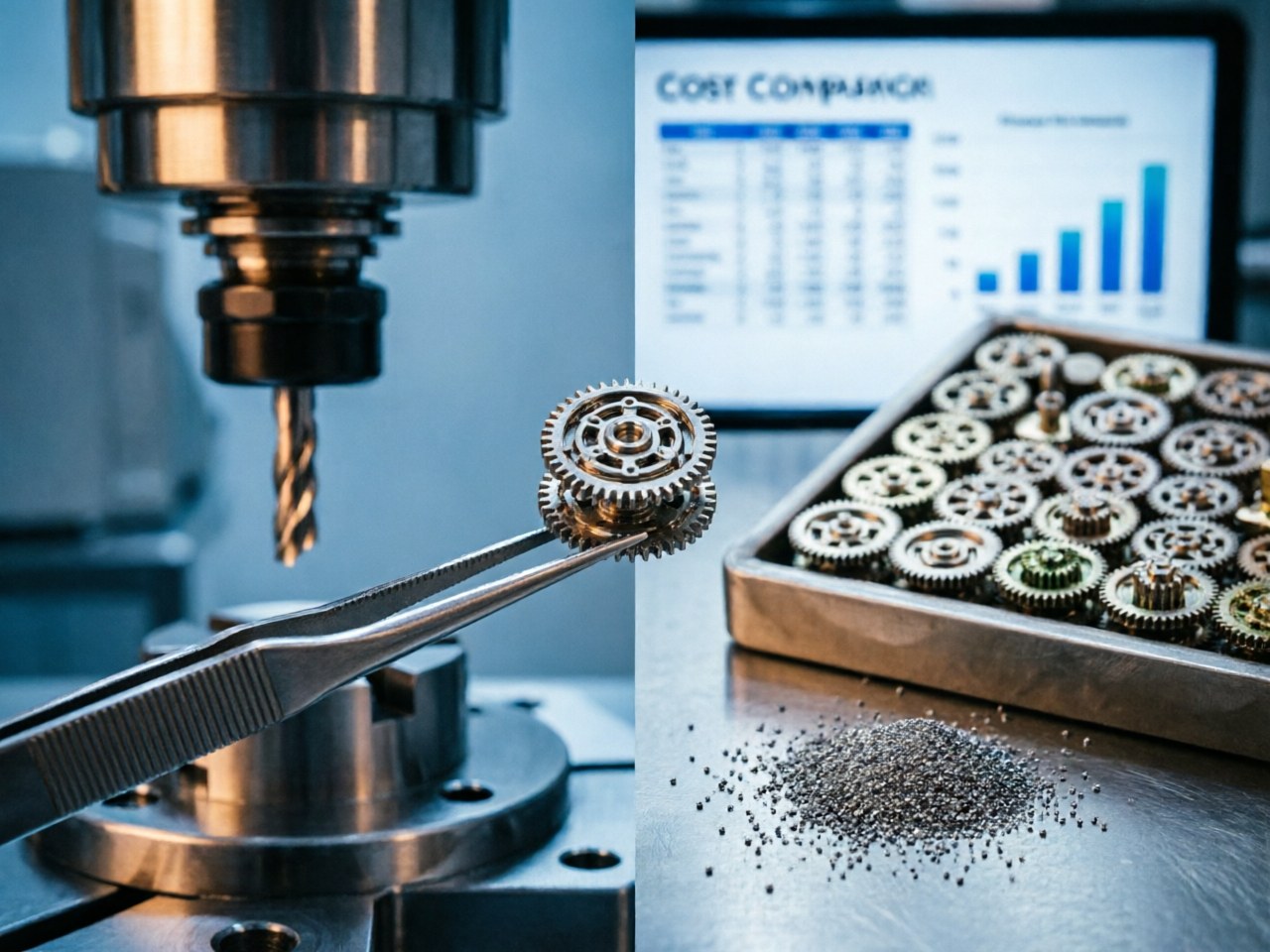
How to Choose Between MIM and CNC Machining: Calculating the Cost Breakeven Point for Complex Small Parts
Design engineers and procurement teams struggle to choose between CNC machining and metal injection molding for complex small parts due to opaque cost structures and uncertain volume thresholds. This article introduces a first-principles cost model that isolates fixed tooling…
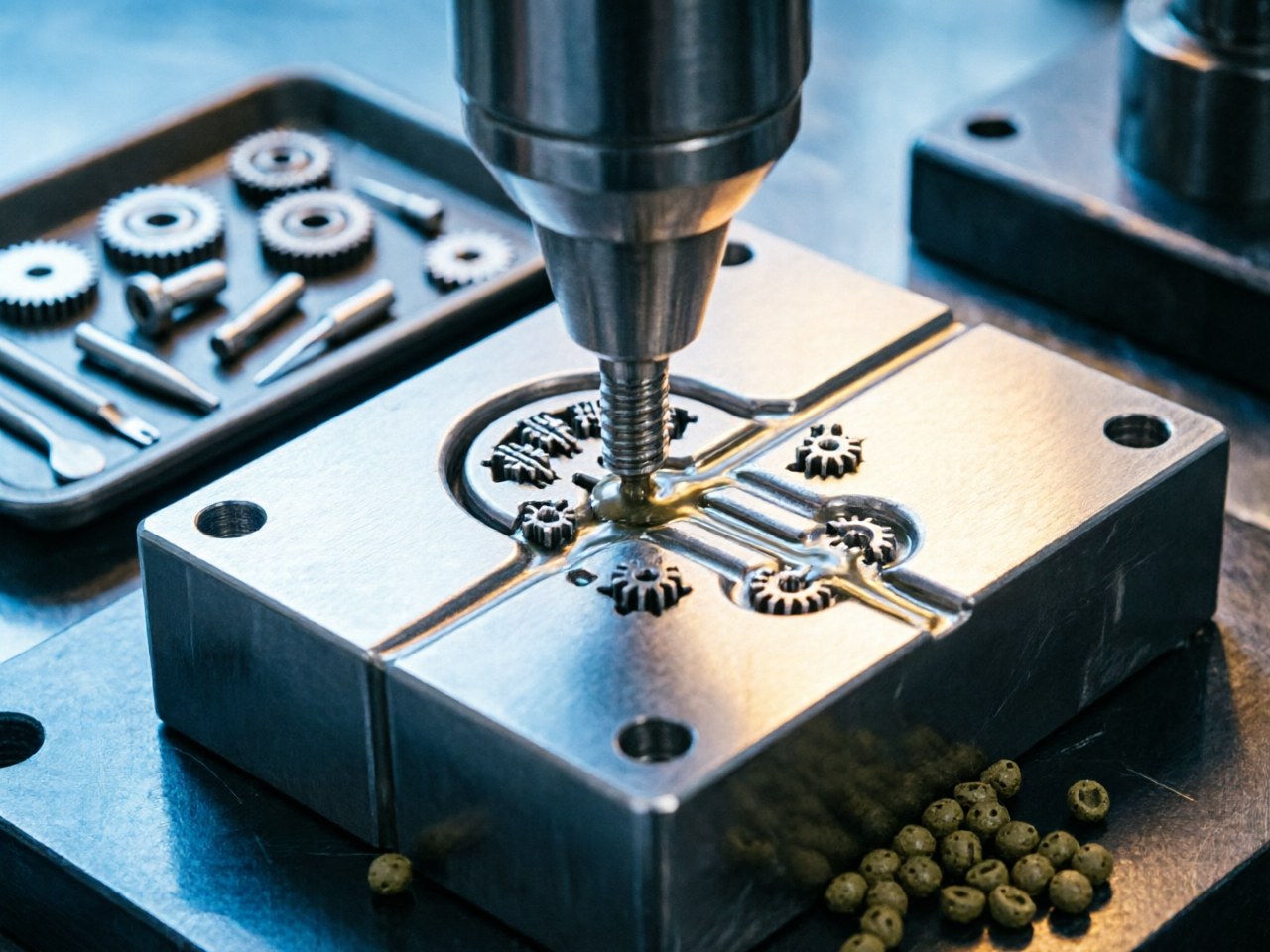
Why MIM Is Ideal for Small, Complex, High-Volume Metal Parts
Design engineers and procurement teams frequently encounter a manufacturing bottleneck when specifying miniature, geometrically intricate metal components at scale. Traditional subtractive and casting methods either drive unit costs prohibitively high or fail to meet tight…