
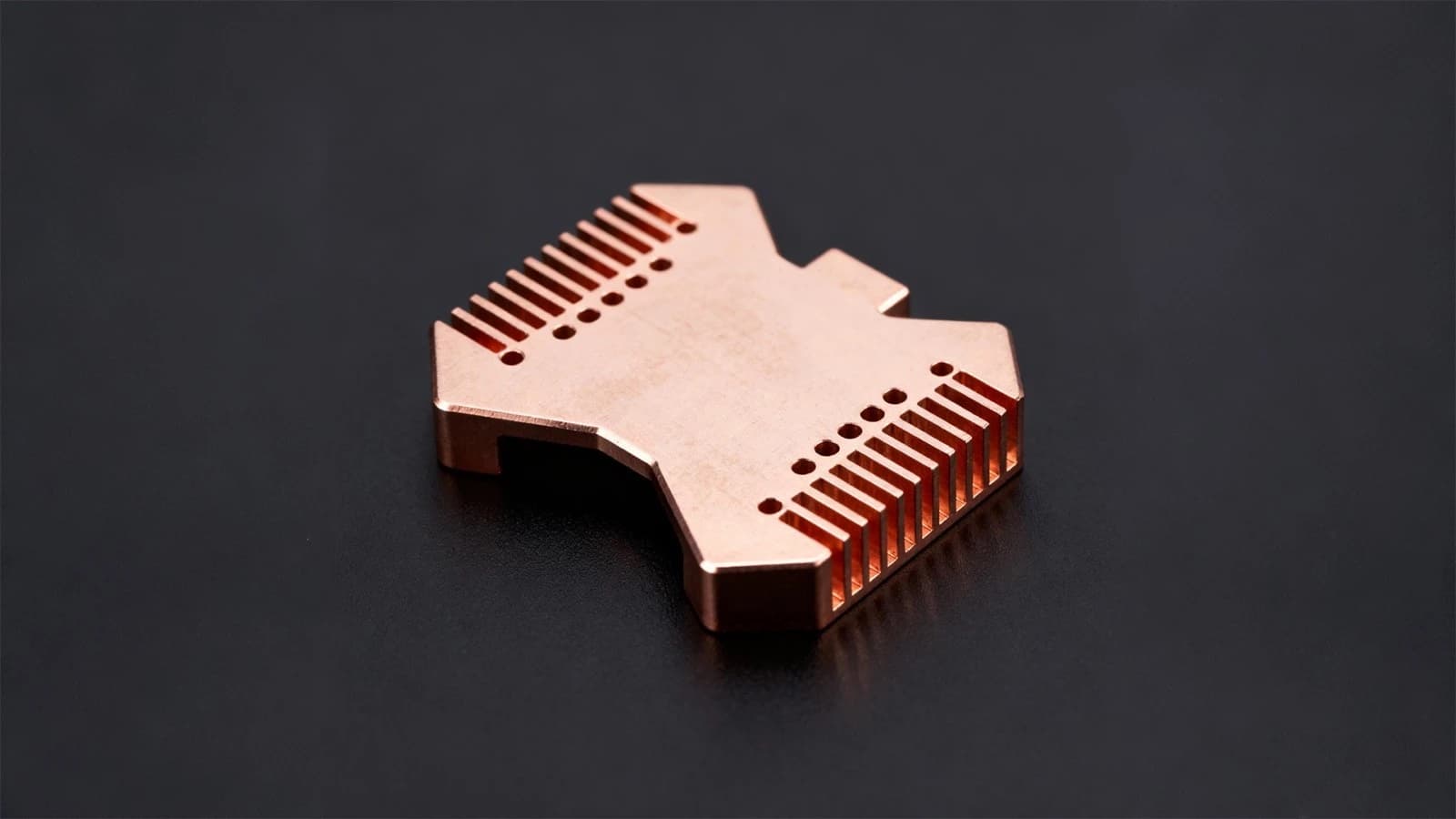
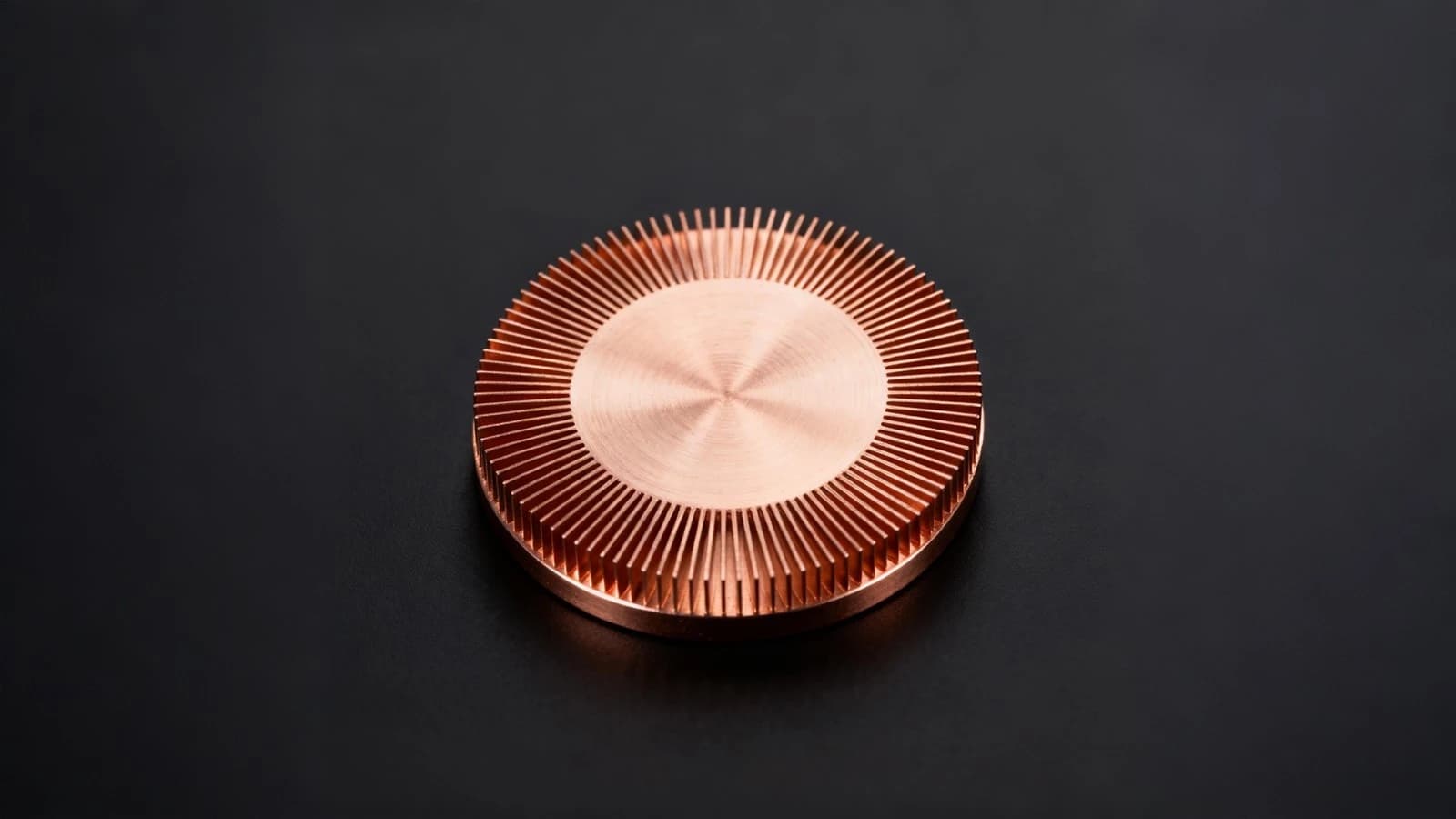
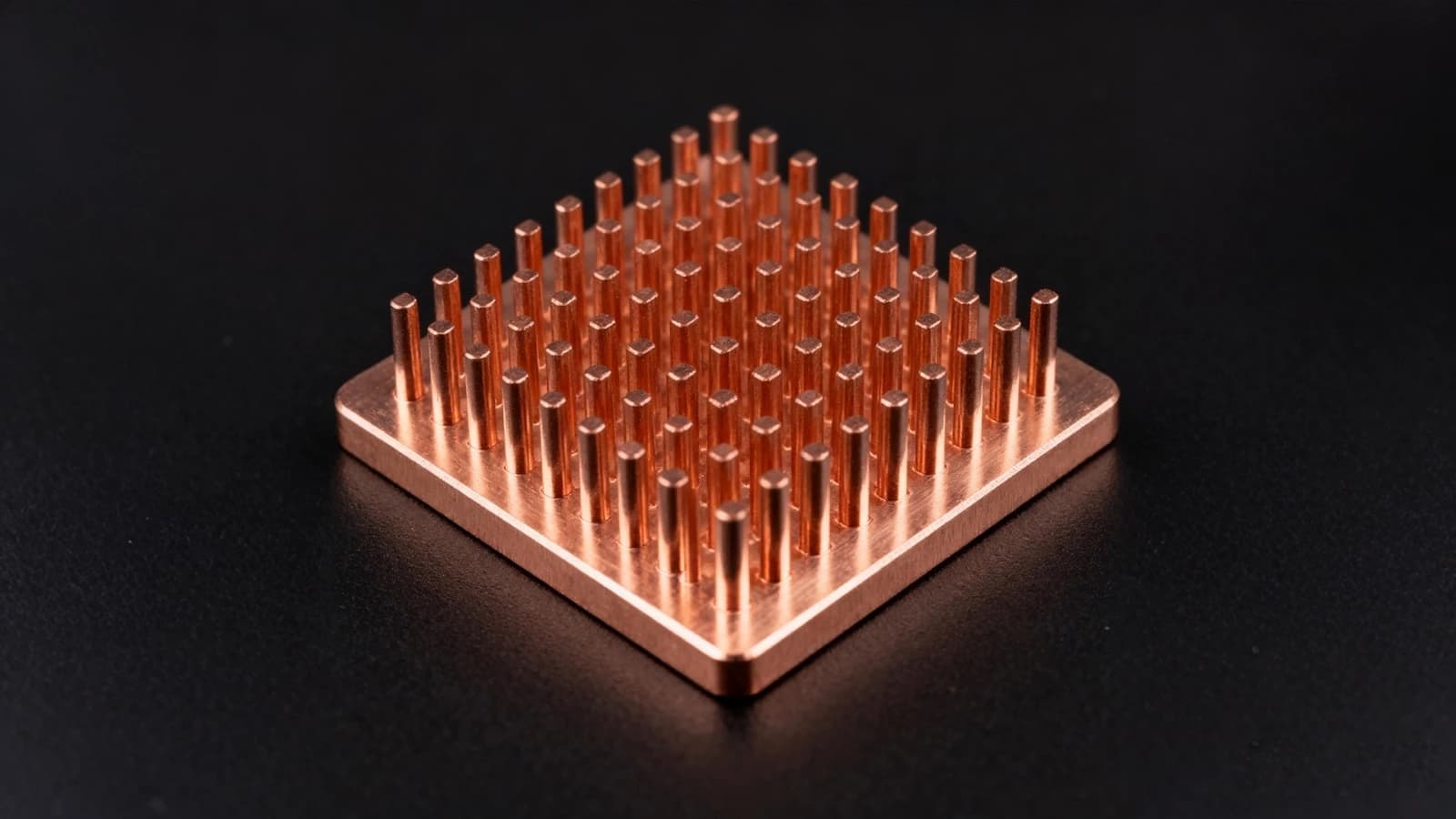
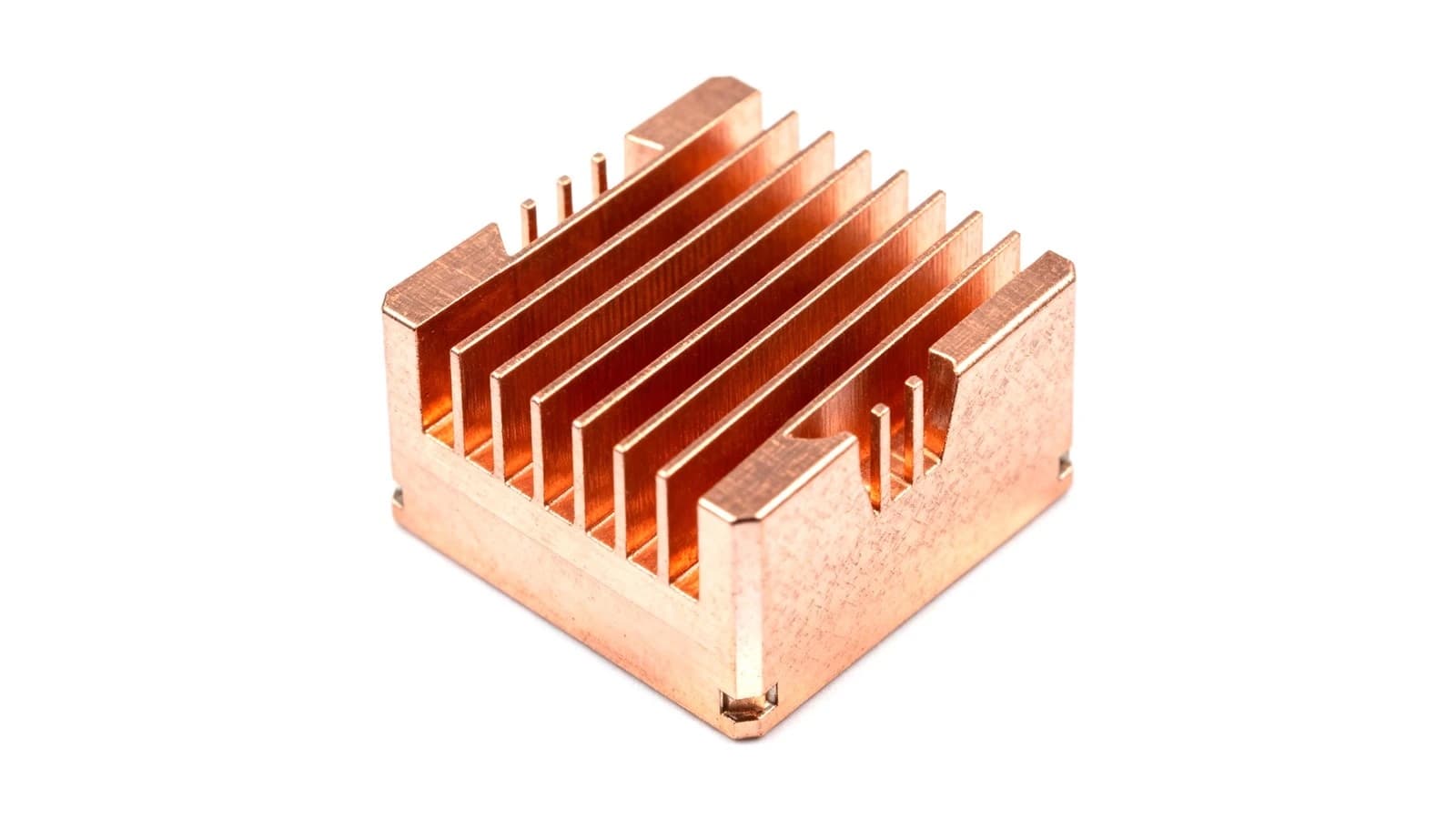
Optical Transceiver Heat Spreader
High-performance thermal management for high-speed optical modules (QSFP, QSFP-DD, OSFP, CFP) — PM/MIM heat spreaders with micro-fins, thin walls and tight tolerances for transceivers up to 800G.
- Materials
- Copper, copper–tungsten (W–Cu) composites, proprietary PM alloys
- Features
- High thermal conductivity with uniform heat spreading, excellent dimensional stability & flatness, near-net-shape micro-fins and thin walls, cost-effective mass production
- Application
- Data center optical transceivers and pluggable modules, high-speed switching and routing equipment, coherent optical communication systems, compact high-performance telecom modules.
Frequently Asked Questions
What materials and process are used for Optical Transceiver Heat Spreader?
Optical Transceiver Heat Spreader is made from Copper, copper–tungsten (W–Cu) composites, proprietary PM alloys and is formed by MIM/PM (metal injection molding / powder metallurgy) near-net-shape and sintered to a relative density of ≥ 98%, which keeps mechanical properties close to wrought material.
What tolerances can Optical Transceiver Heat Spreader hold?
Typical as-sintered dimensional tolerance is ±0.3–0.5% of the dimension. Tighter tolerances are achievable with secondary sizing or machining, agreed per part during quoting.
What is the MOQ and lead time for Optical Transceiver Heat Spreader?
MOQ is 1000 pcs. Mold lead time is about 20 days (mold fee typically RMB 20–40k depending on part geometry), and production lead time is about 7 days once the mold is validated; secondary processing adds 3–5 days.
Related Applications
Related Products
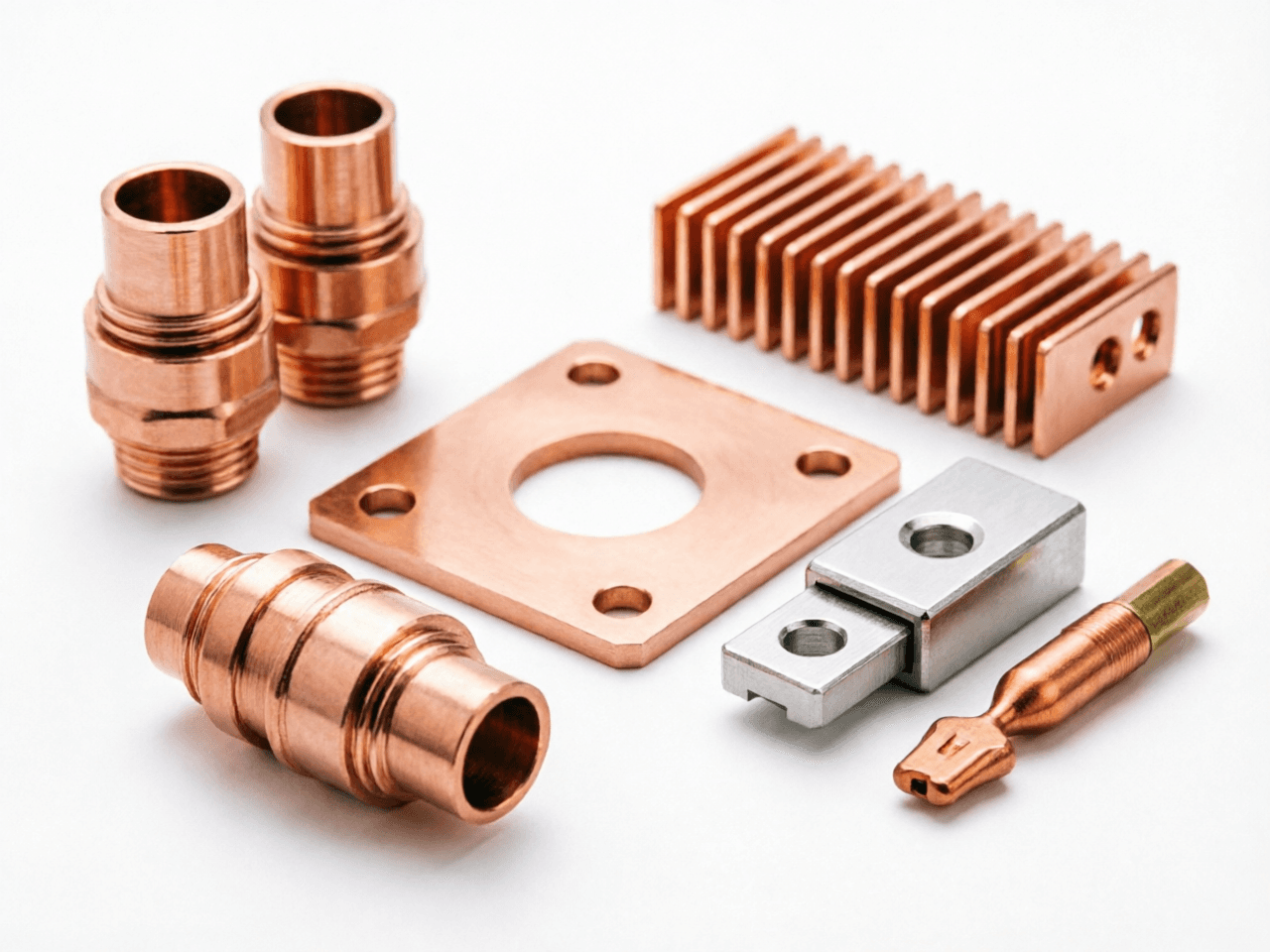
Copper Alloy MIM Parts
Materials: Copper, bronze, brass, tungsten copper
High thermal & electrical conductivity, bacteriostatic
View Details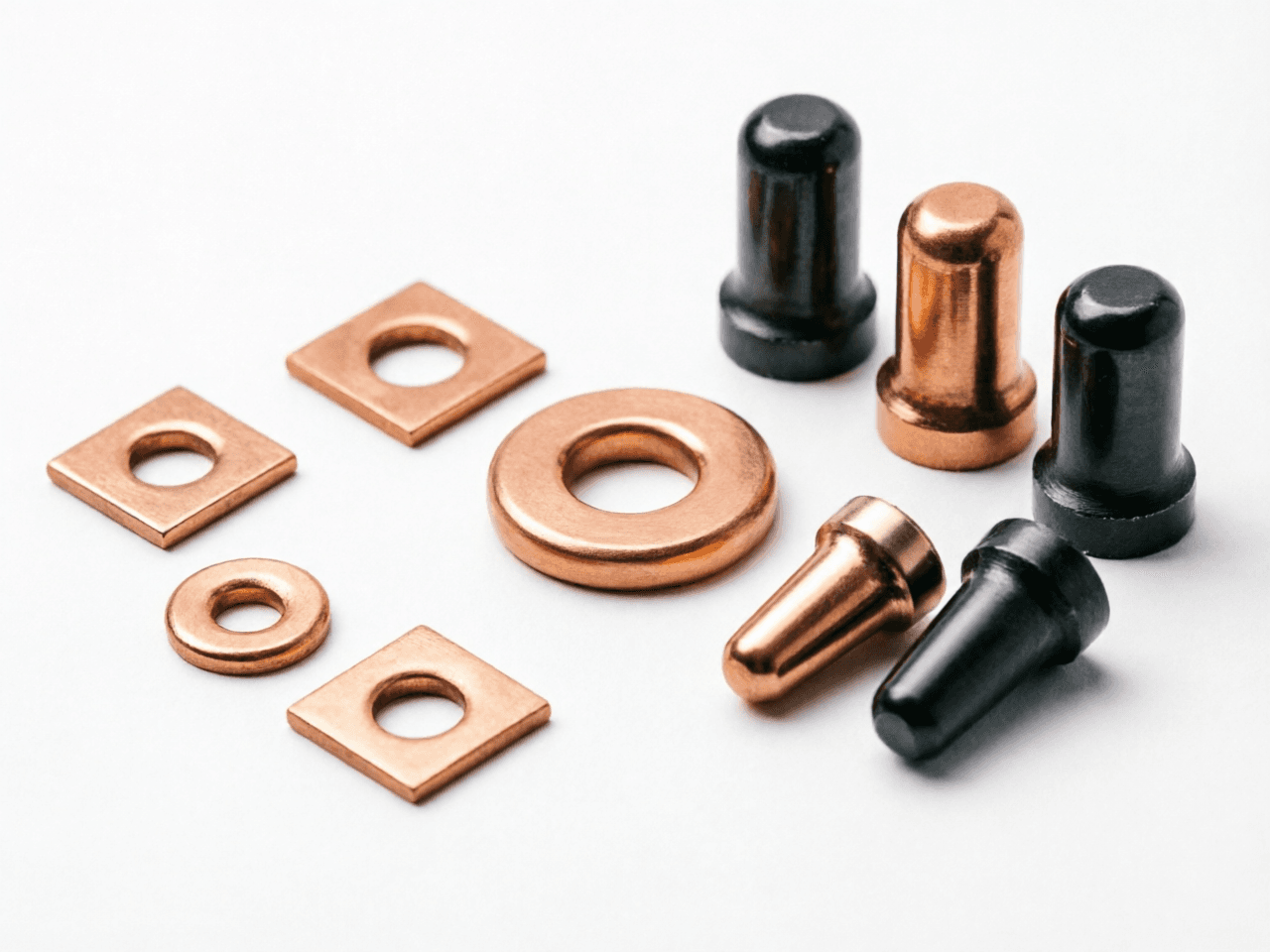
Tungsten Copper Precision Components
Materials: Tungsten copper (WCu), copper content 6–90%
Excellent arc erosion resistance, high conductivity, anti-adhesion, good machinability
View Details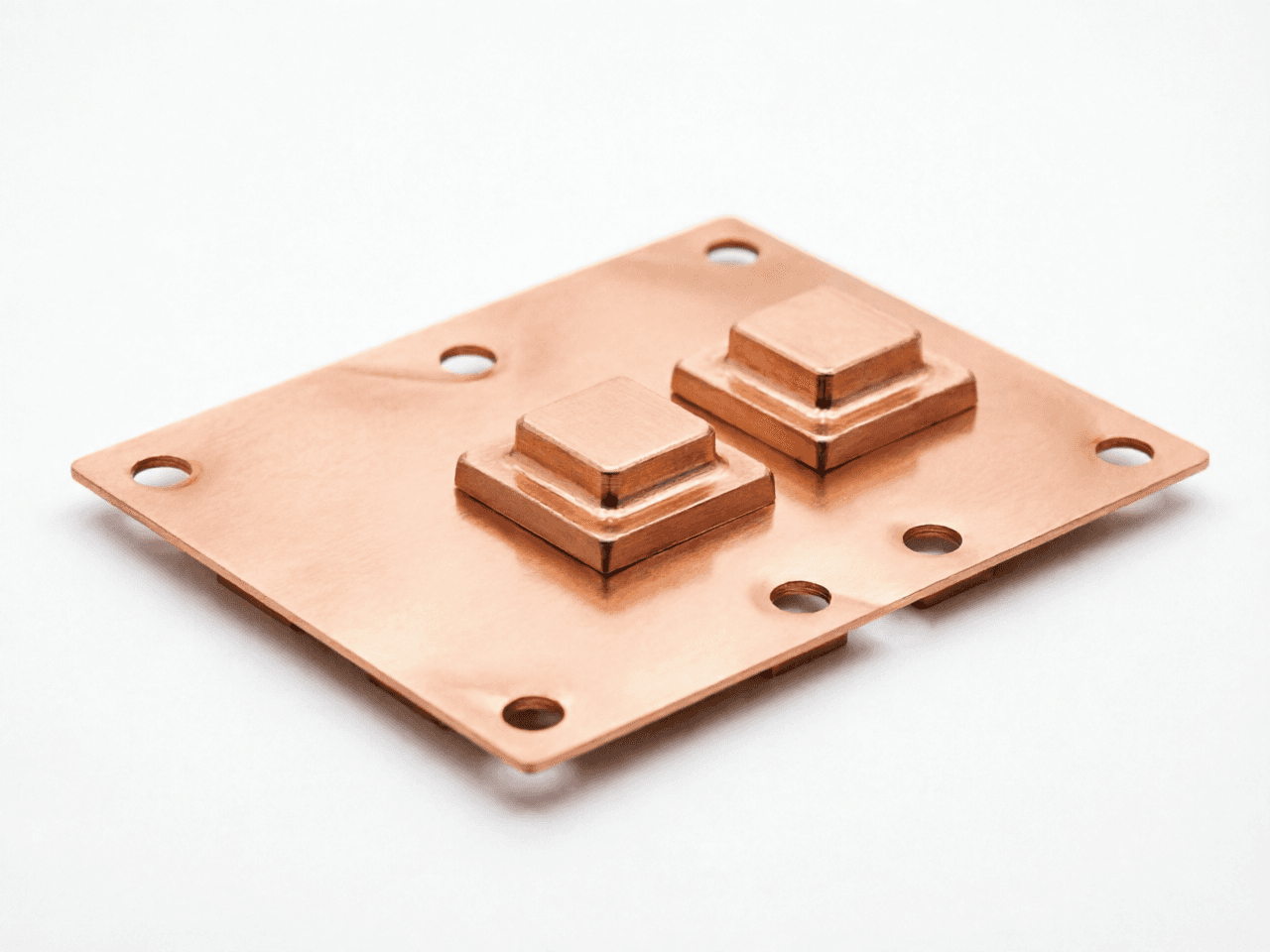
Copper Thermal Packaging Components
Materials: Pure copper, tungsten copper (W-Cu)
High thermal conductivity, CTE matching, low warpage, miniaturized complex geometries, plating/soldering/wire-bonding compatible
View Details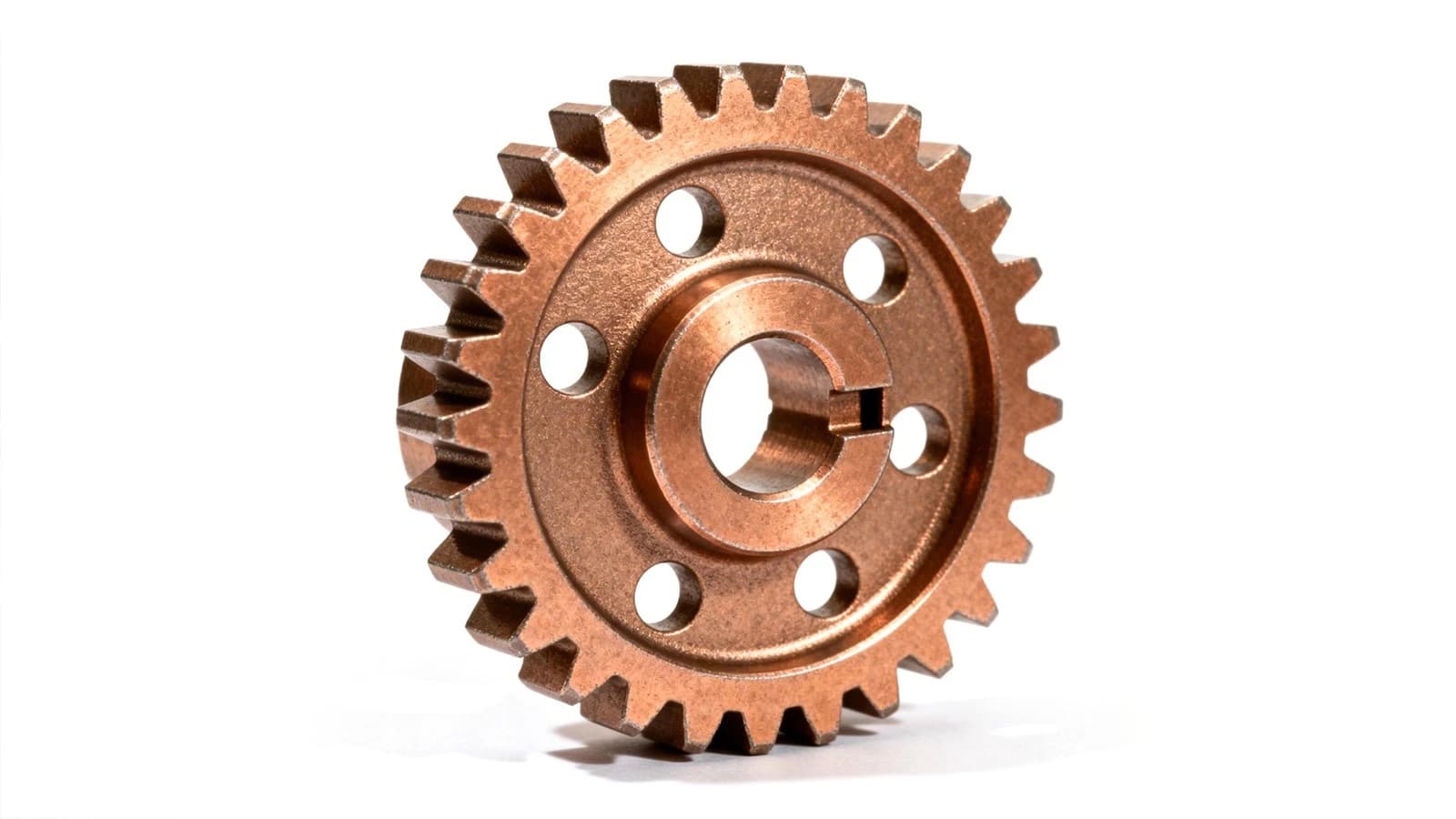
Copper Alloy Powder Metallurgy Gears
Materials: Copper-based PM alloys
Quiet meshing, controlled pore network for lubrication retention, high thermal stability, minimal post-machining
View Details