
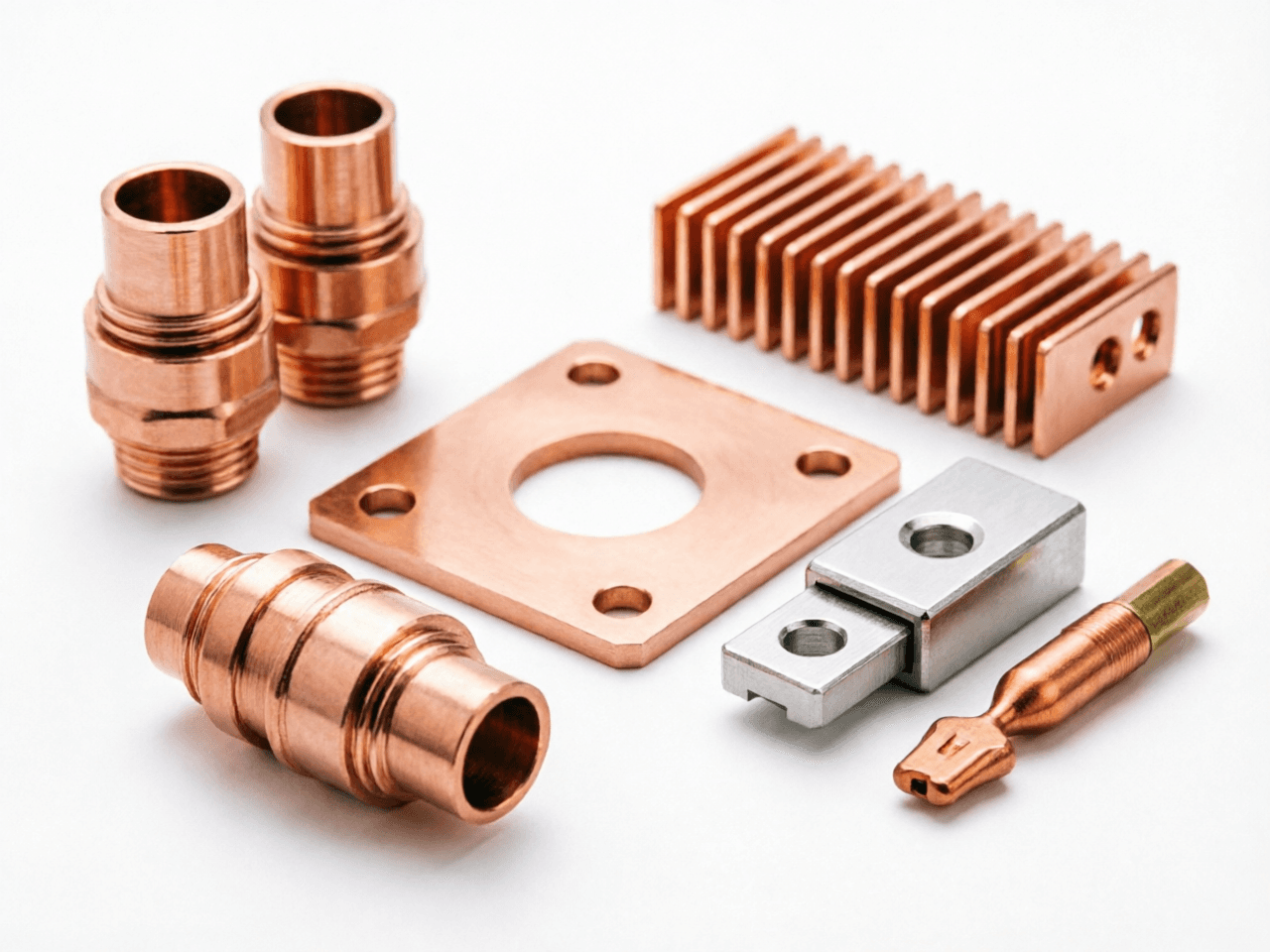
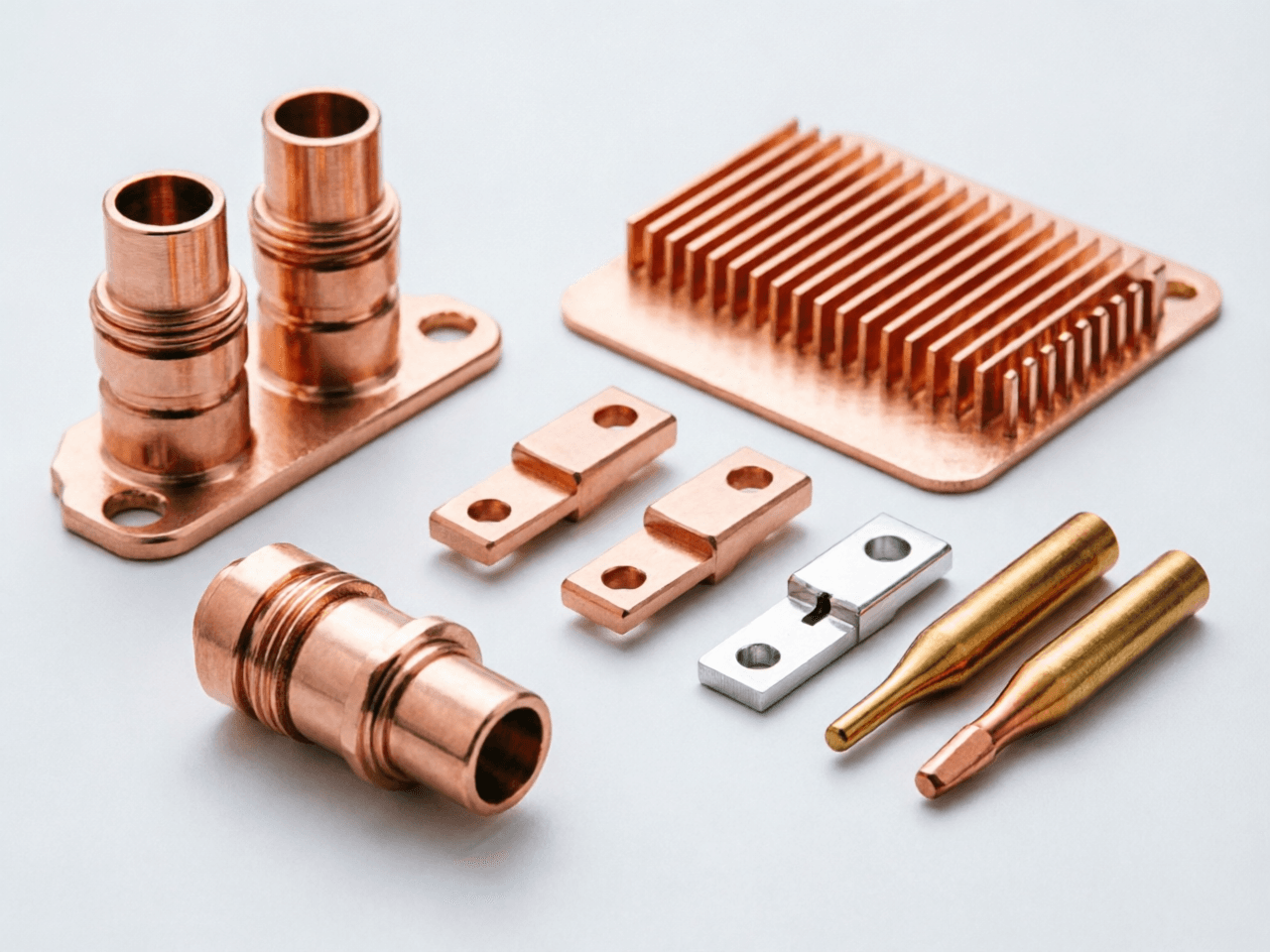
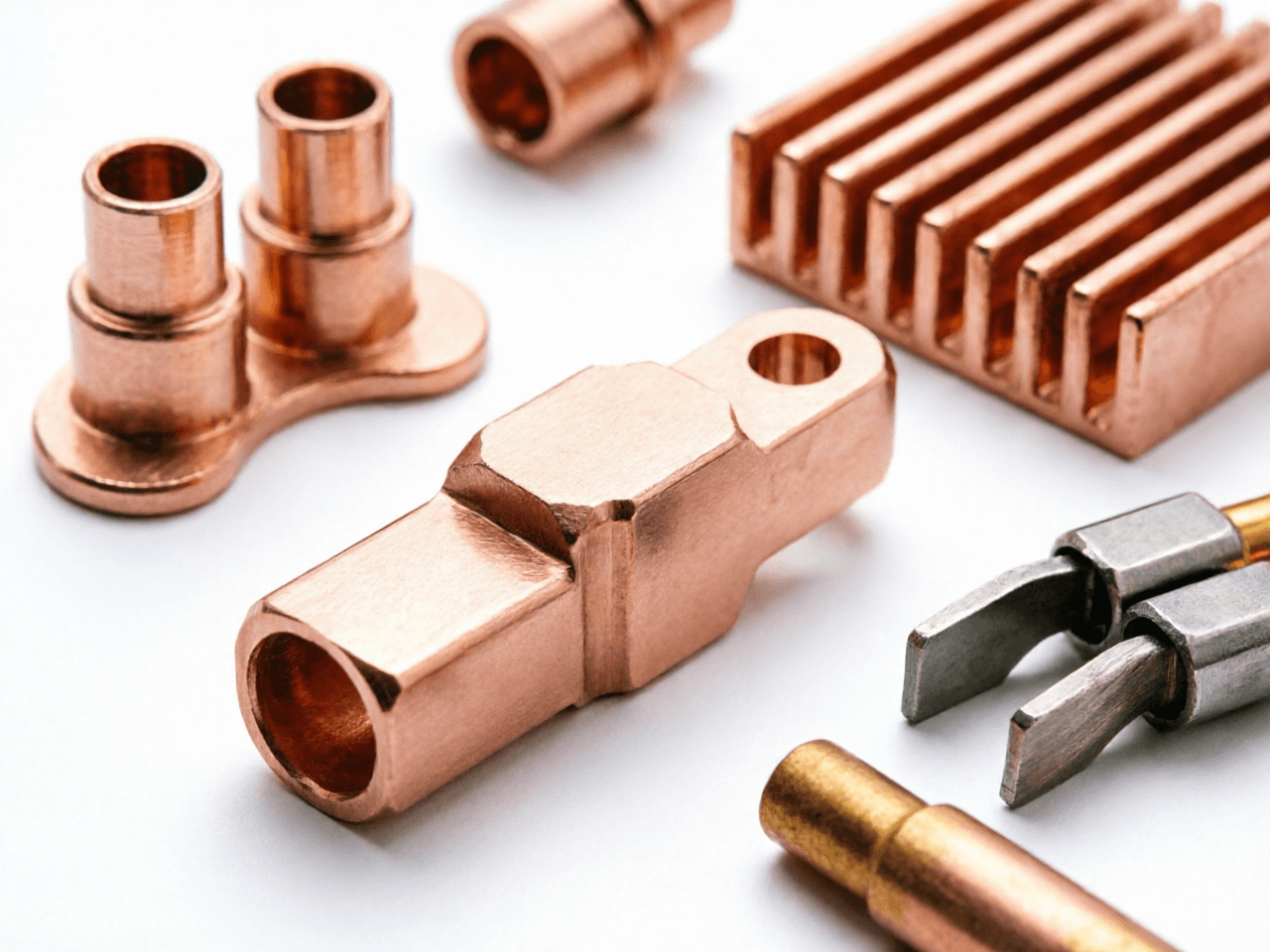
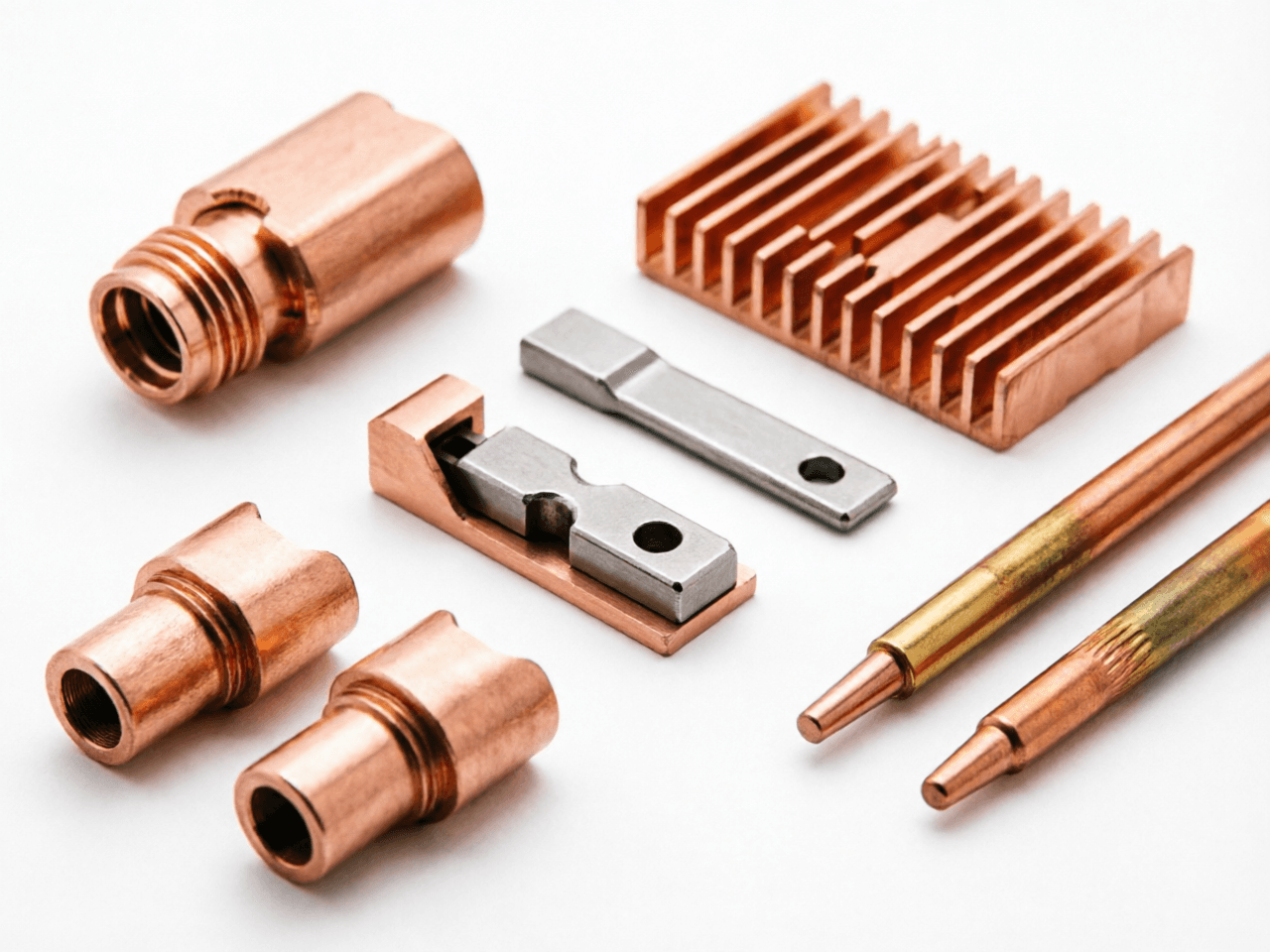
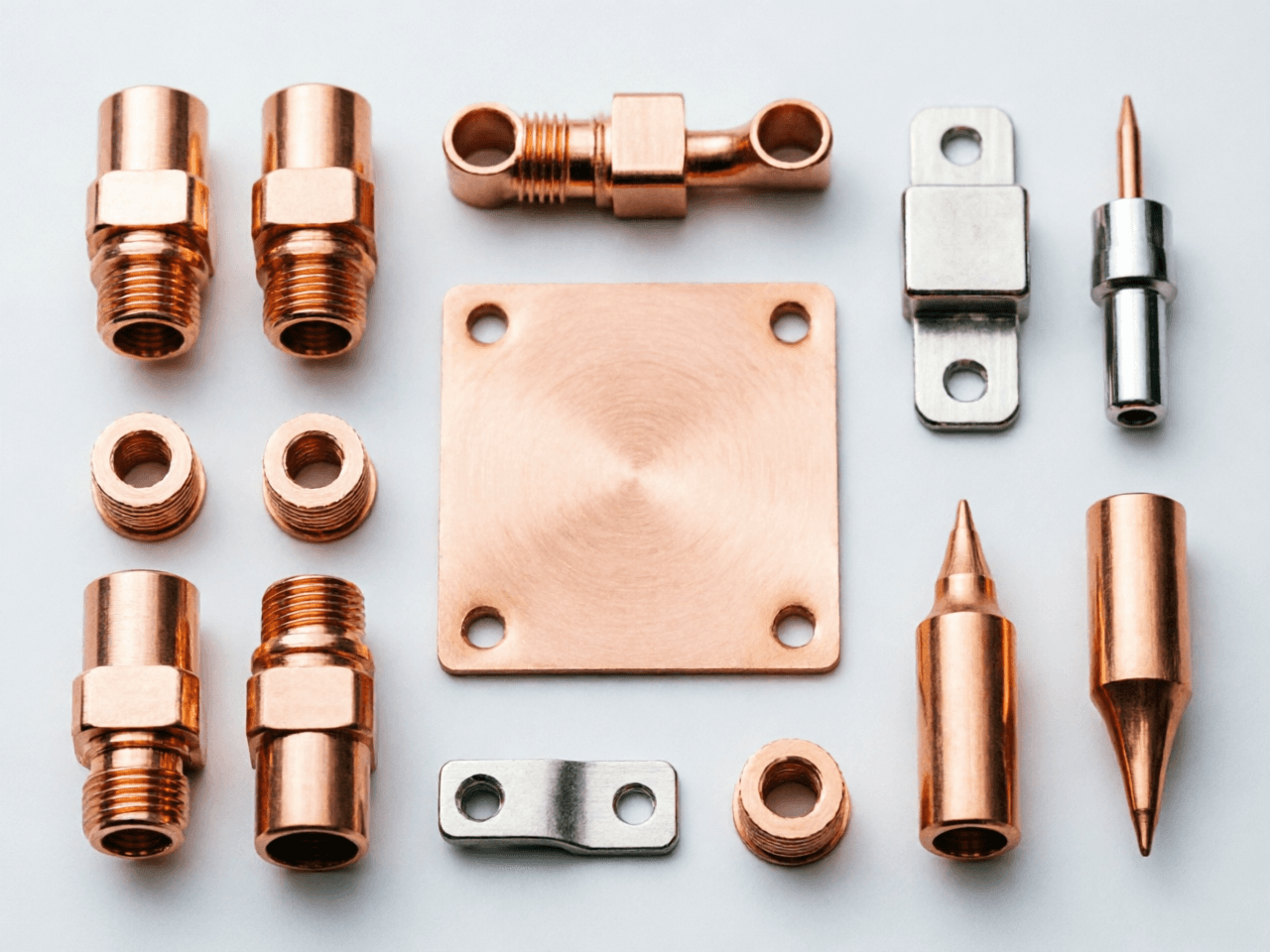
Copper Alloy MIM Parts
Copper and tungsten-copper MIM parts for 5G optical modules, electronic packaging thermal management, switch contacts and electrodes.
- Materials
- Copper, bronze, brass, tungsten copper
- Features
- High thermal & electrical conductivity, bacteriostatic
Specifications
| Parameter | Value |
|---|---|
| Density (pure copper) | ≥ 8.4 g/cm³ |
Frequently Asked Questions
What copper alloys can you mold and what density do you reach?
We process pure copper, bronze, brass and tungsten copper. Pure copper parts reach a sintered density of ≥ 8.4 g/cm³, preserving the high thermal and electrical conductivity that makes copper attractive for 5G, electronic components and electrode contacts.
Is copper MIM suitable for thermal management parts?
Yes — copper and tungsten-copper MIM parts are used in 5G optical modules, electronic packaging thermal management, switch contacts and electrodes. MIM forms fins, bosses and mounting features directly, reducing or eliminating machining on small, complex heat-spreading geometries.
Can copper MIM parts be plated or soldered?
Yes. Nickel, tin, silver and gold plating are common finishes for copper alloy parts used in connectors and contacts, and the parts are compatible with standard soldering and brazing processes. Surface treatment is agreed per application during quoting.
Related Products
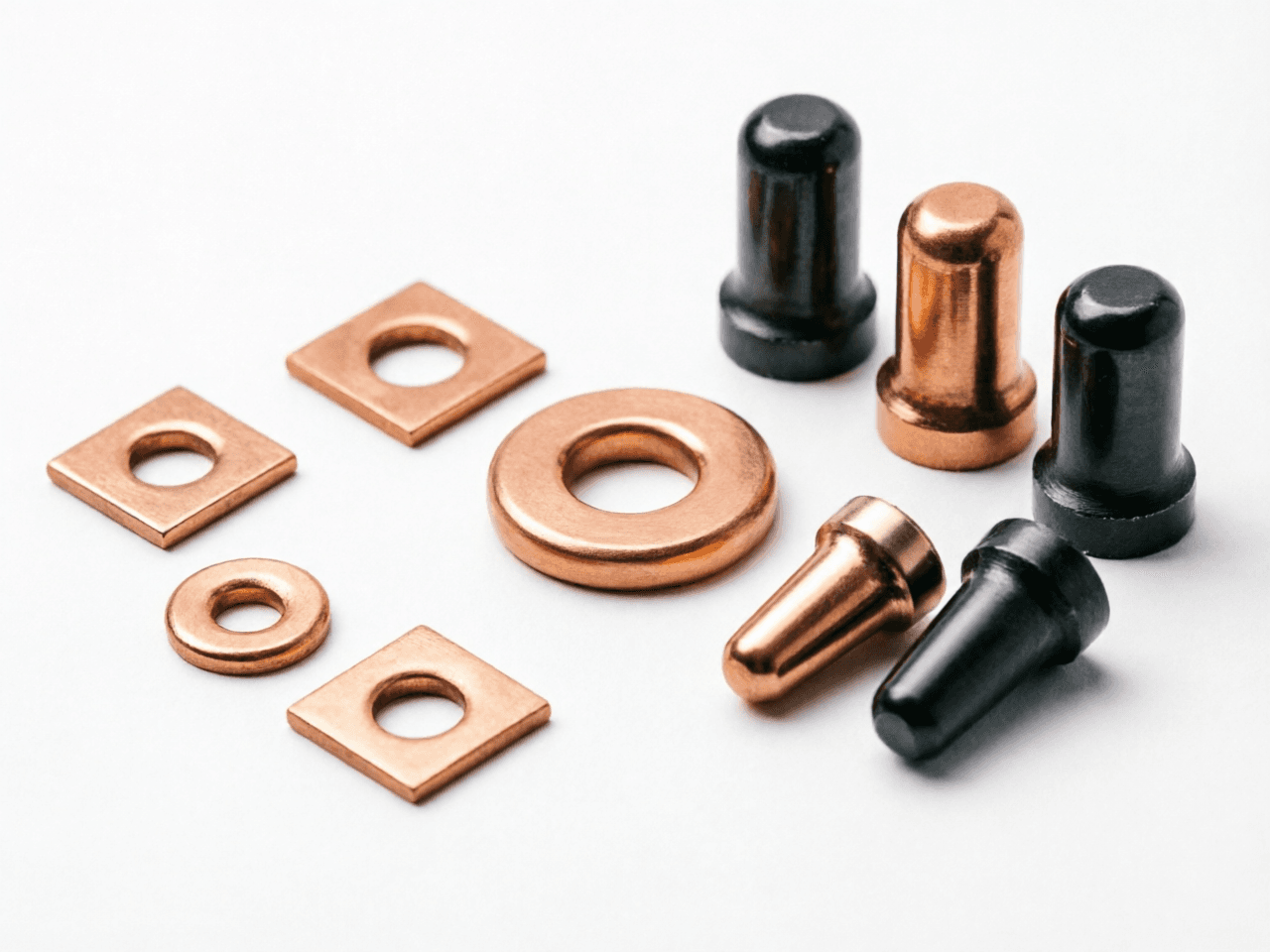
Tungsten Copper Precision Components
Materials: Tungsten copper (WCu), copper content 6–90%
Excellent arc erosion resistance, high conductivity, anti-adhesion, good machinability
View Details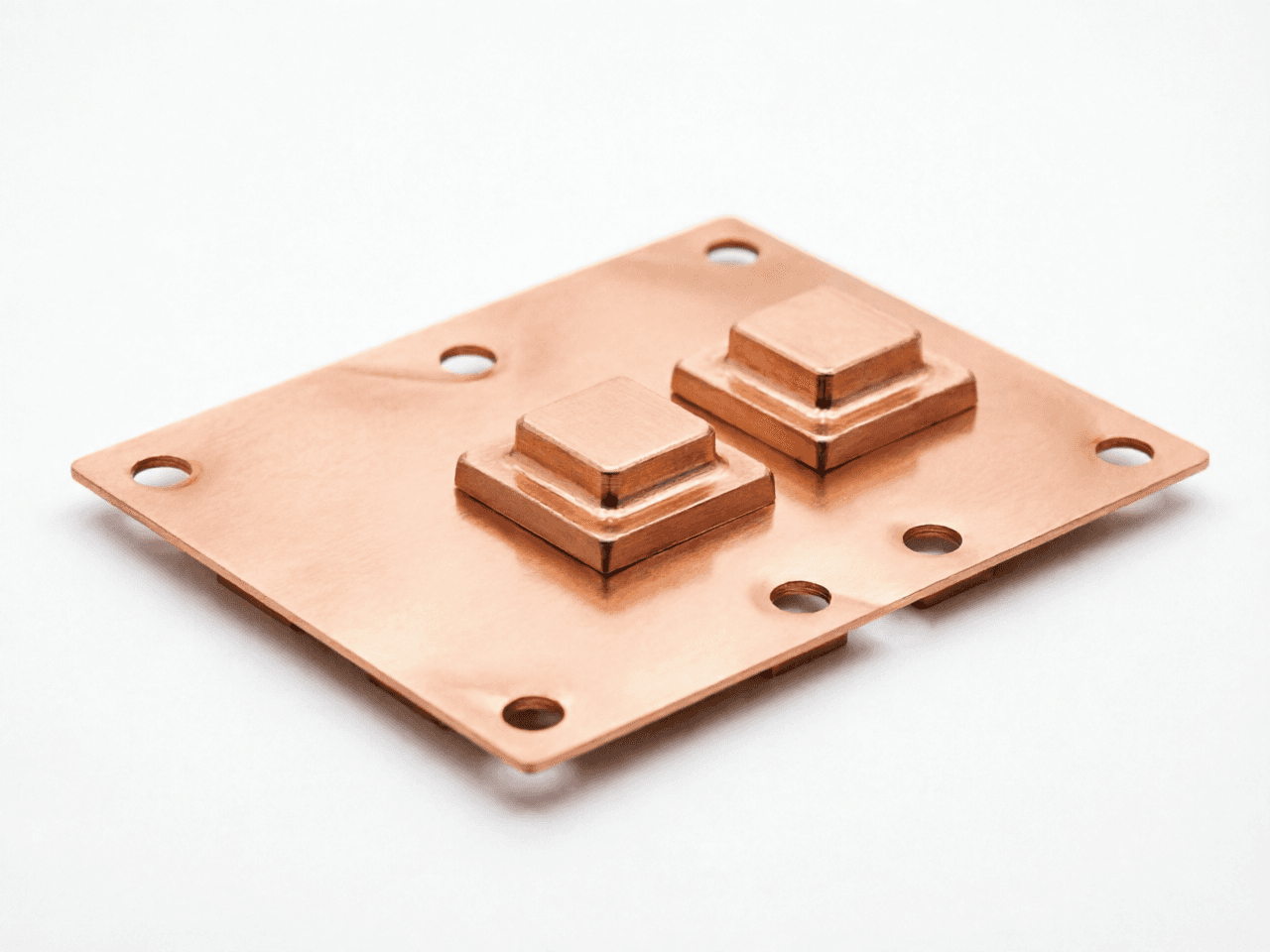
Copper Thermal Packaging Components
Materials: Pure copper, tungsten copper (W-Cu)
High thermal conductivity, CTE matching, low warpage, miniaturized complex geometries, plating/soldering/wire-bonding compatible
View Details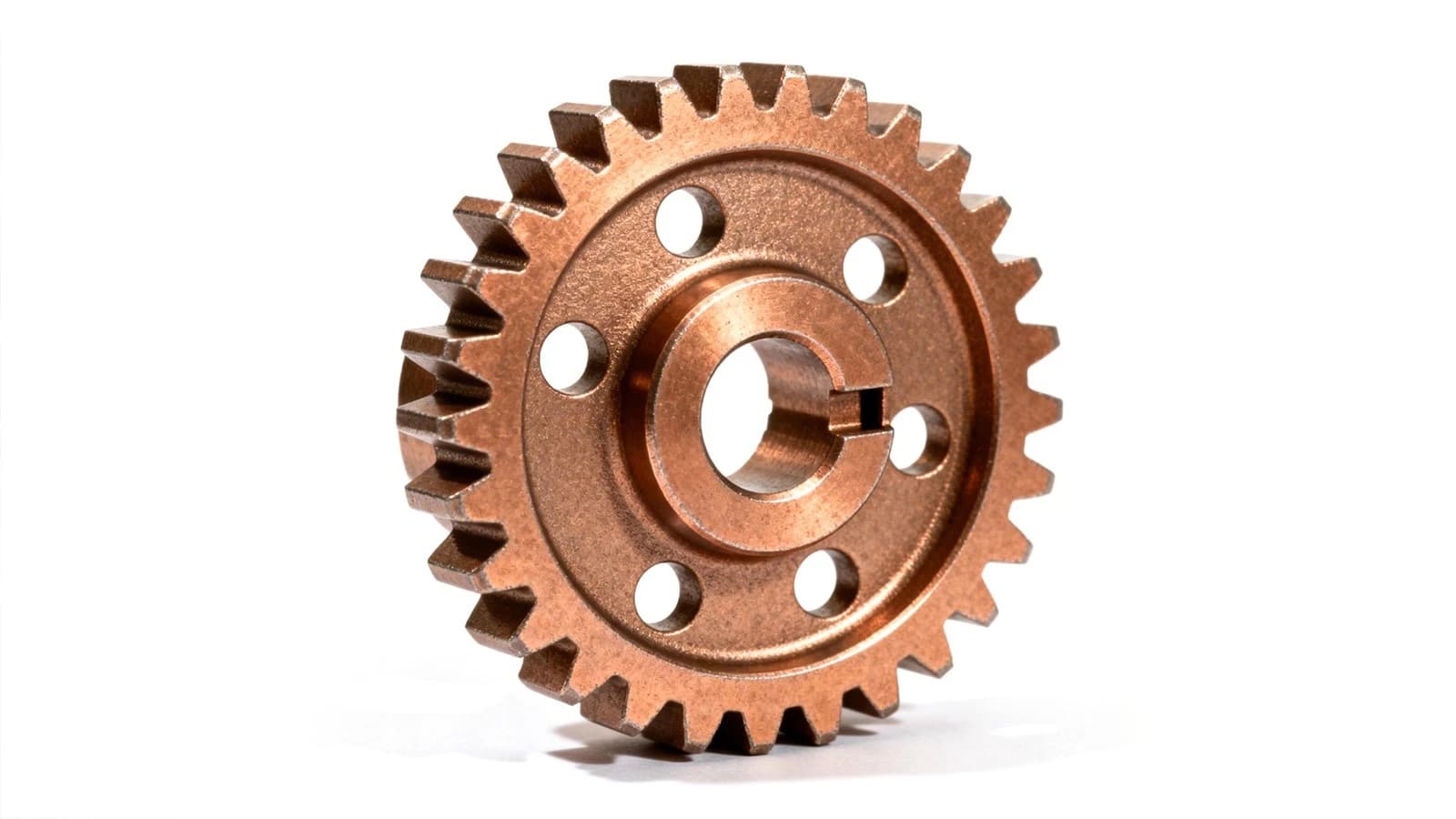
Copper Alloy Powder Metallurgy Gears
Materials: Copper-based PM alloys
Quiet meshing, controlled pore network for lubrication retention, high thermal stability, minimal post-machining
View Details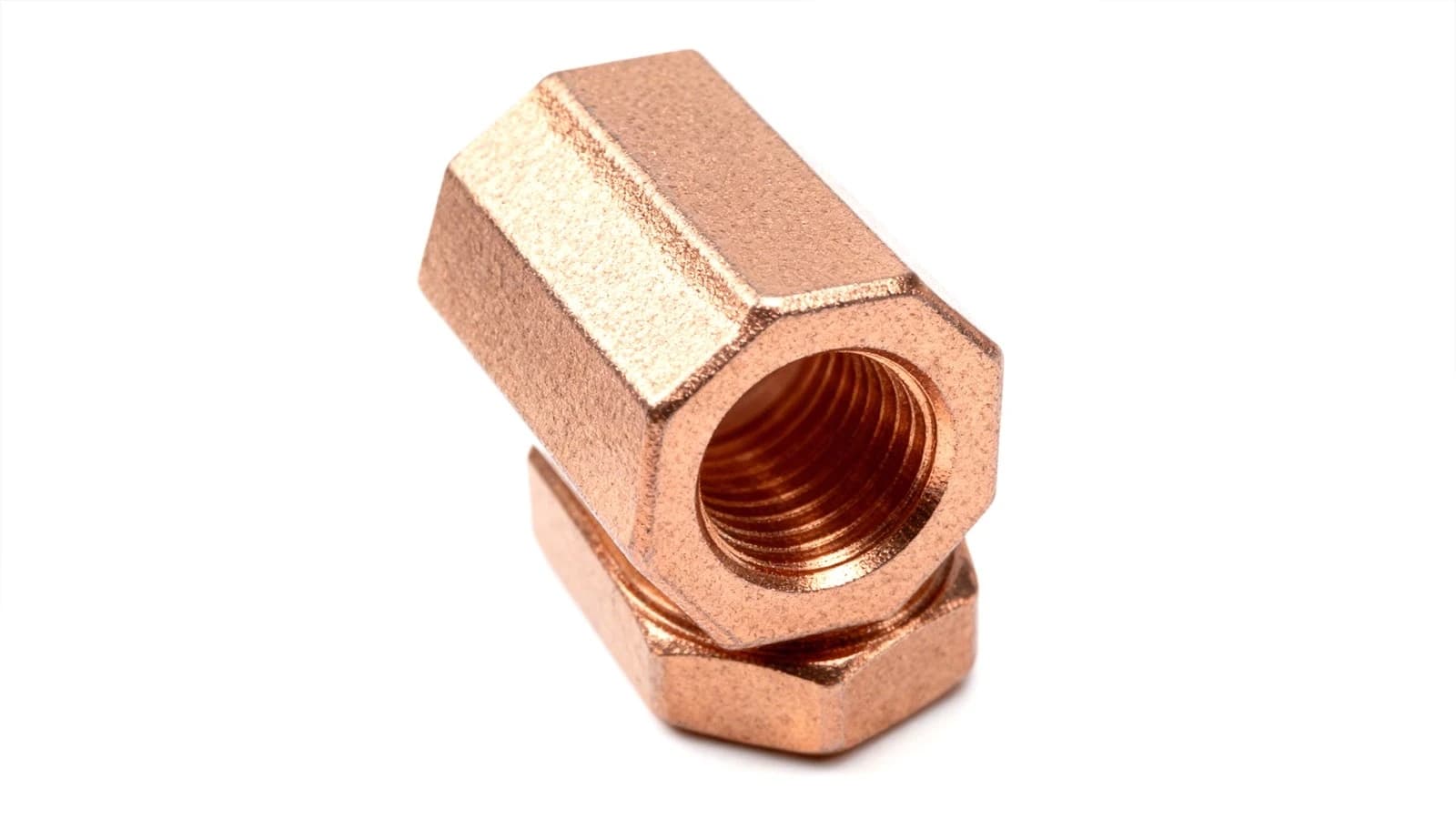
Powder Metallurgy Copper Components
Materials: Copper-based PM alloys
High conductivity, complex geometries and thin walls, uniform microstructure, cost-effective high-volume production
View Details