
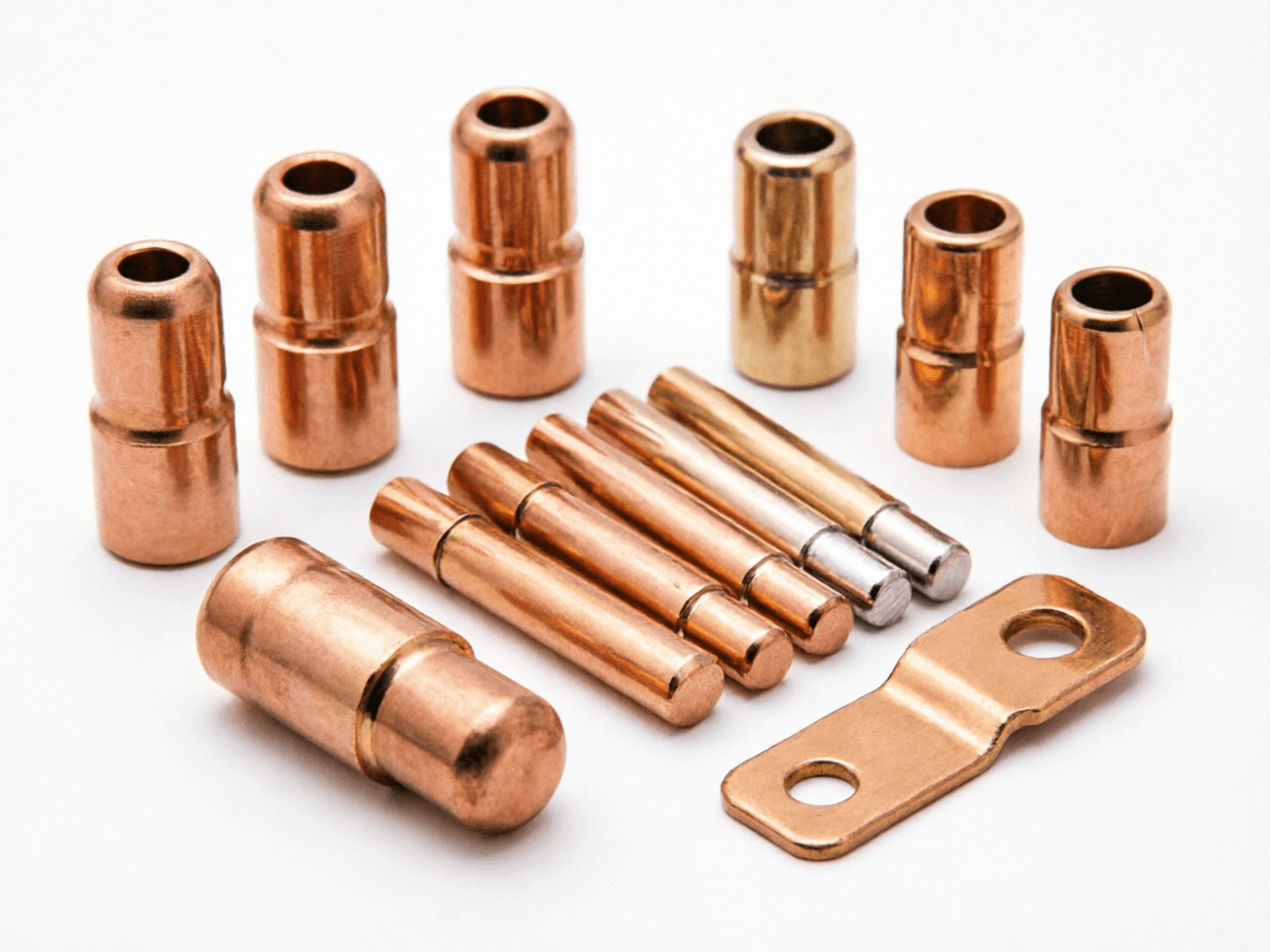
Tungsten Copper Precision Components
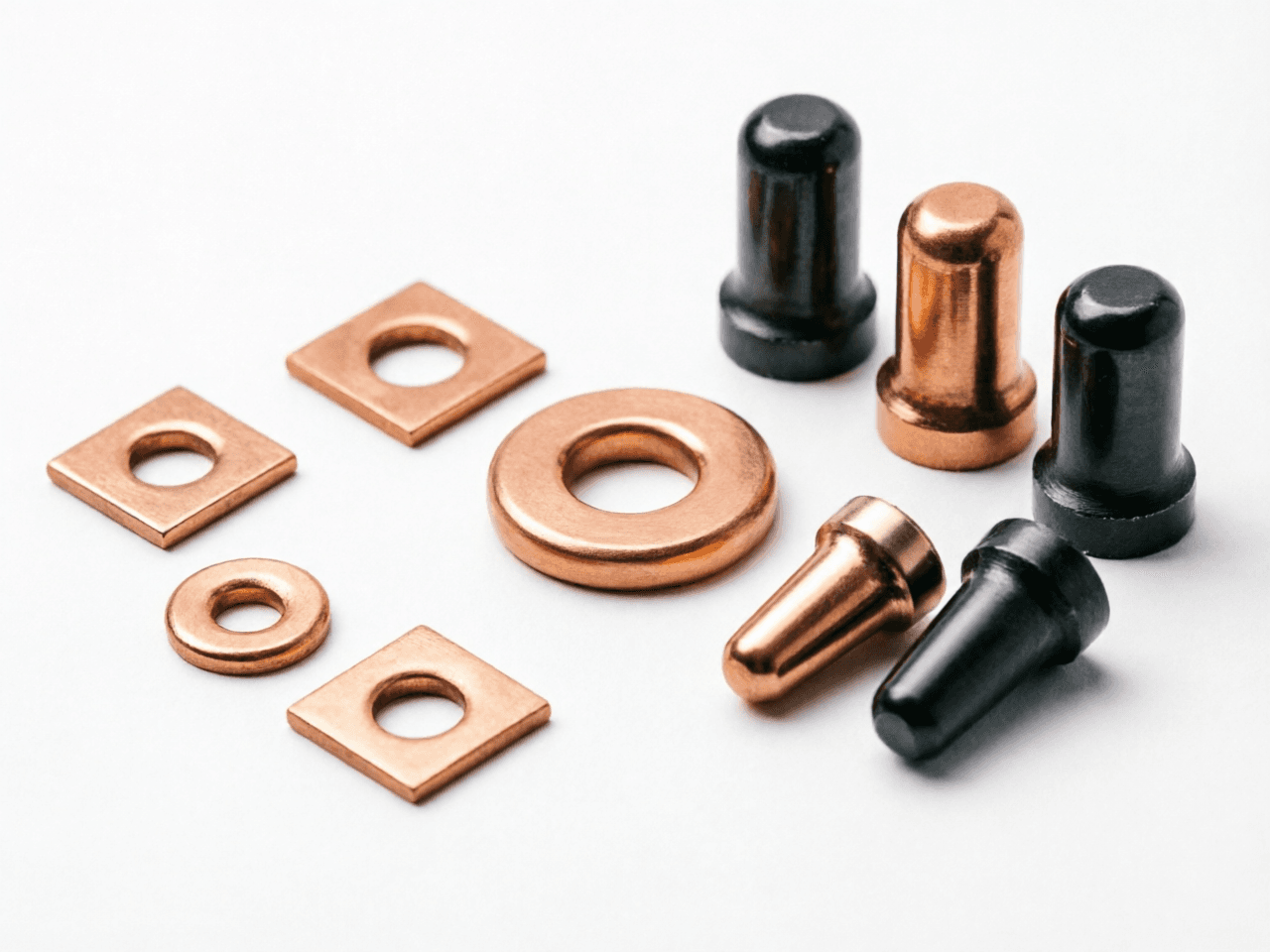
WCu alloy components combining tungsten's hardness and high melting point with copper's electrical and thermal conductivity — electrical contacts, connector terminals, EDM and resistance welding electrodes, and EMI shields.
- Materials
- Tungsten copper (WCu), copper content 6–90%
- Features
- Excellent arc erosion resistance, high conductivity, anti-adhesion, good machinability
- Application
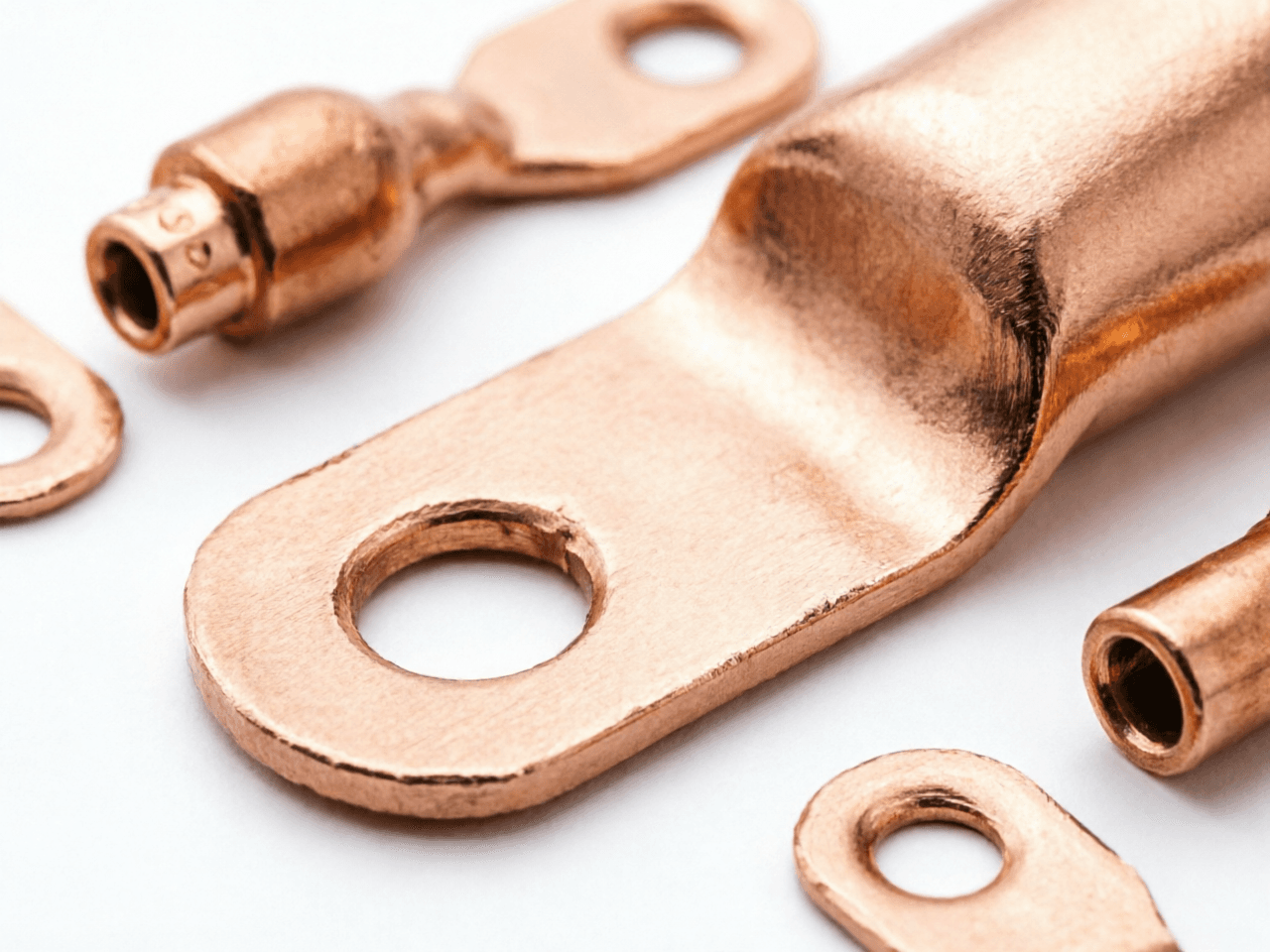
- Electrical contacts and terminals, EDM / resistance welding electrodes, high-voltage discharge electrodes, EMI shielding.
Specifications
| Parameter | Value |
|---|---|
| Material | WCu (tungsten copper) |
| Copper Content | 6–90 wt% (customizable) |
| Process | Isostatic pressing + sintered W skeleton + Cu infiltration; MIM / die pressing / extrusion |
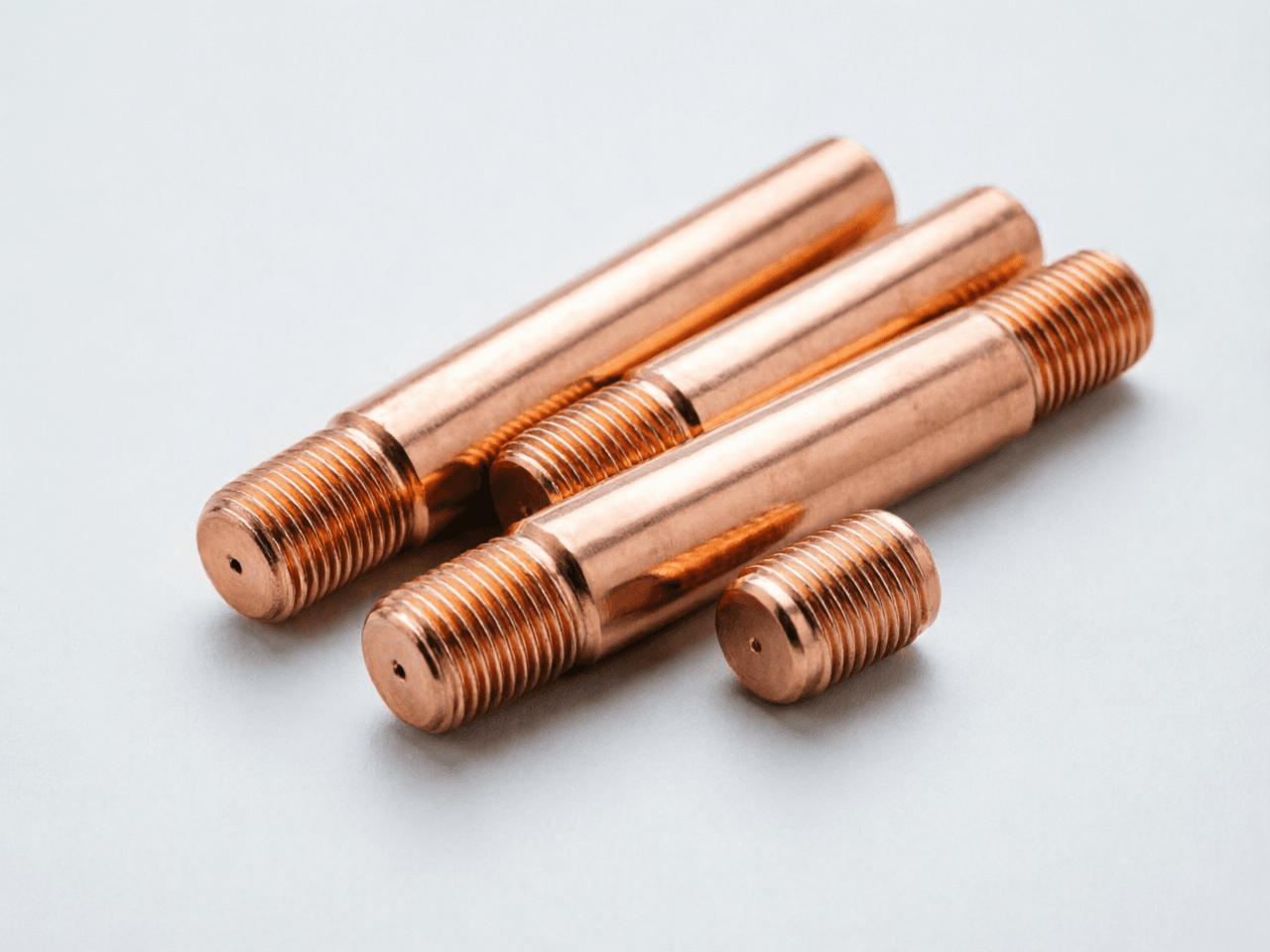
| Forms | Sheets, rods, tubes, plates, complex-shaped parts |
Frequently Asked Questions
What is tungsten copper and how is it made?
WCu is a pseudo-alloy combining tungsten's hardness, arc-erosion resistance and high melting point with copper's electrical and thermal conductivity. Copper content ranges from 6 to 90 wt% and is customizable. We produce it by isostatic pressing, sintering a tungsten skeleton and infiltrating copper, plus MIM, die pressing or extrusion for shaped parts.
What are tungsten copper components used for?
Main uses are electrical contacts and terminals, EDM and resistance welding electrodes, high-voltage discharge electrodes and EMI shielding. The alloy resists arc erosion and adhesion (anti-welding) while keeping good conductivity, and it machines well for precise electrode geometries.
What forms can you supply?
Standard forms are sheets, rods, tubes and plates; complex-shaped precision parts are formed by MIM, die pressing or extrusion and finish-machined to drawing. Send your drawing and we will recommend the most economical route for the geometry and volume.
Related Products
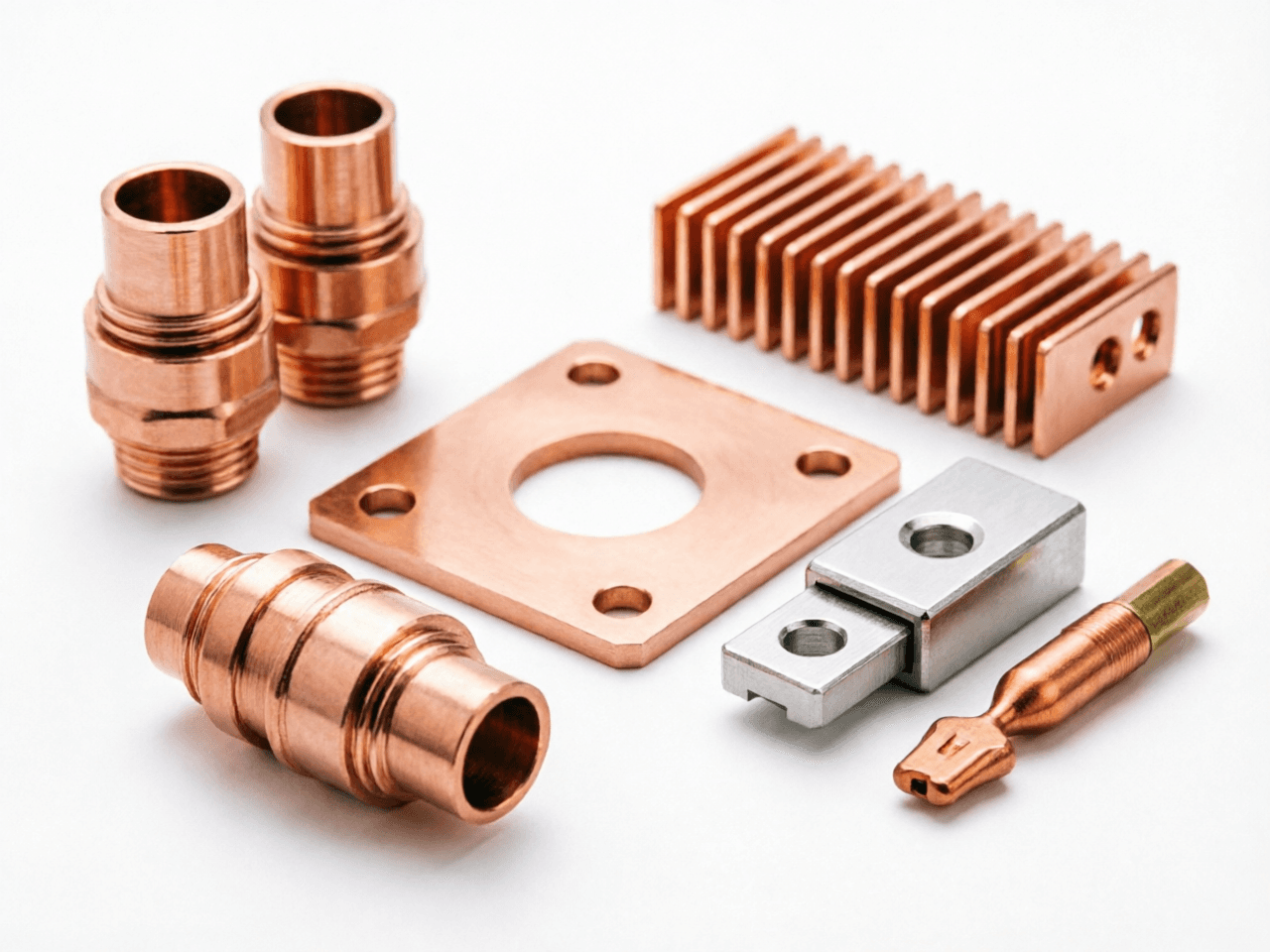
Copper Alloy MIM Parts
Materials: Copper, bronze, brass, tungsten copper
High thermal & electrical conductivity, bacteriostatic
View Details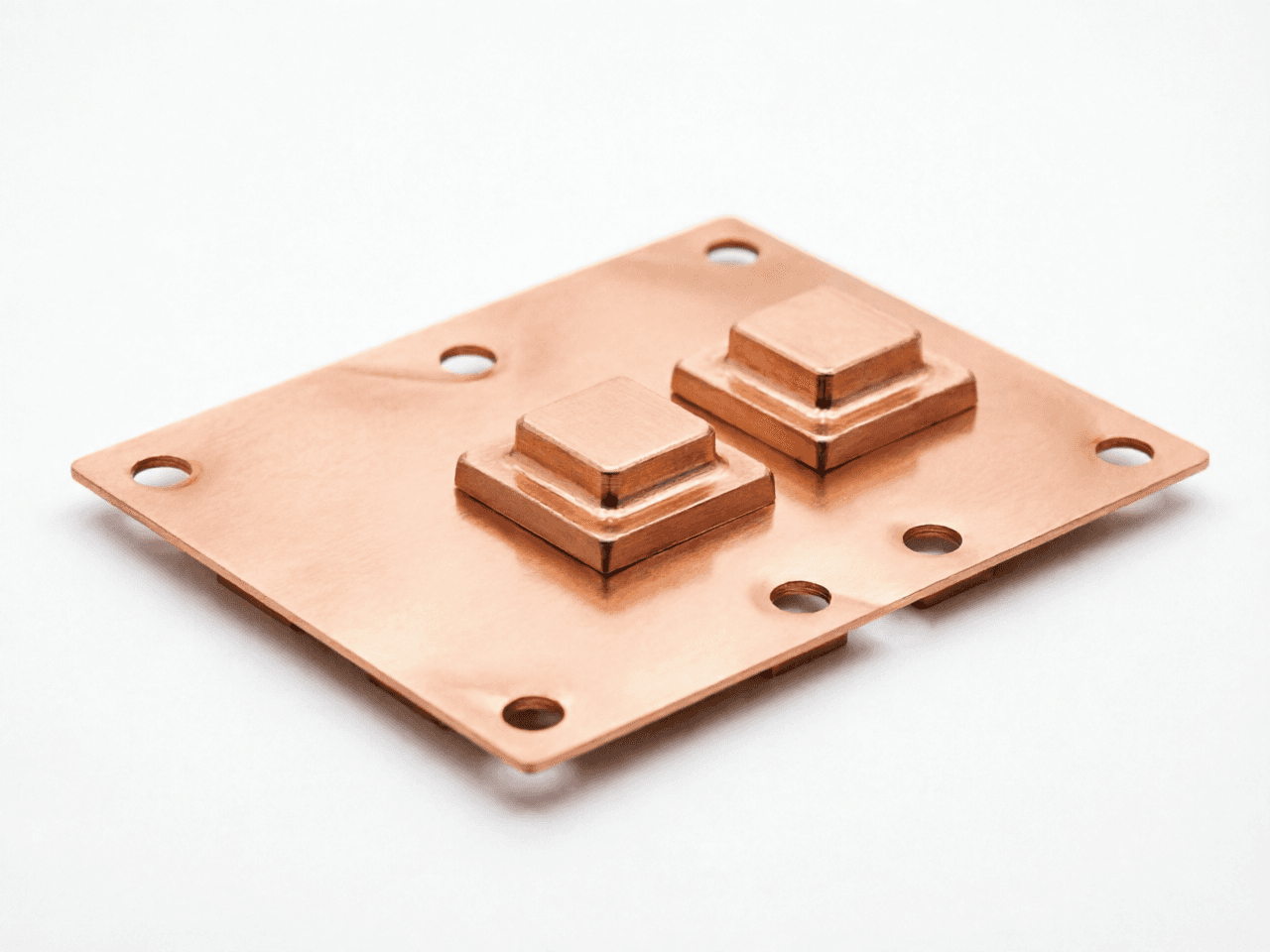
Copper Thermal Packaging Components
Materials: Pure copper, tungsten copper (W-Cu)
High thermal conductivity, CTE matching, low warpage, miniaturized complex geometries, plating/soldering/wire-bonding compatible
View Details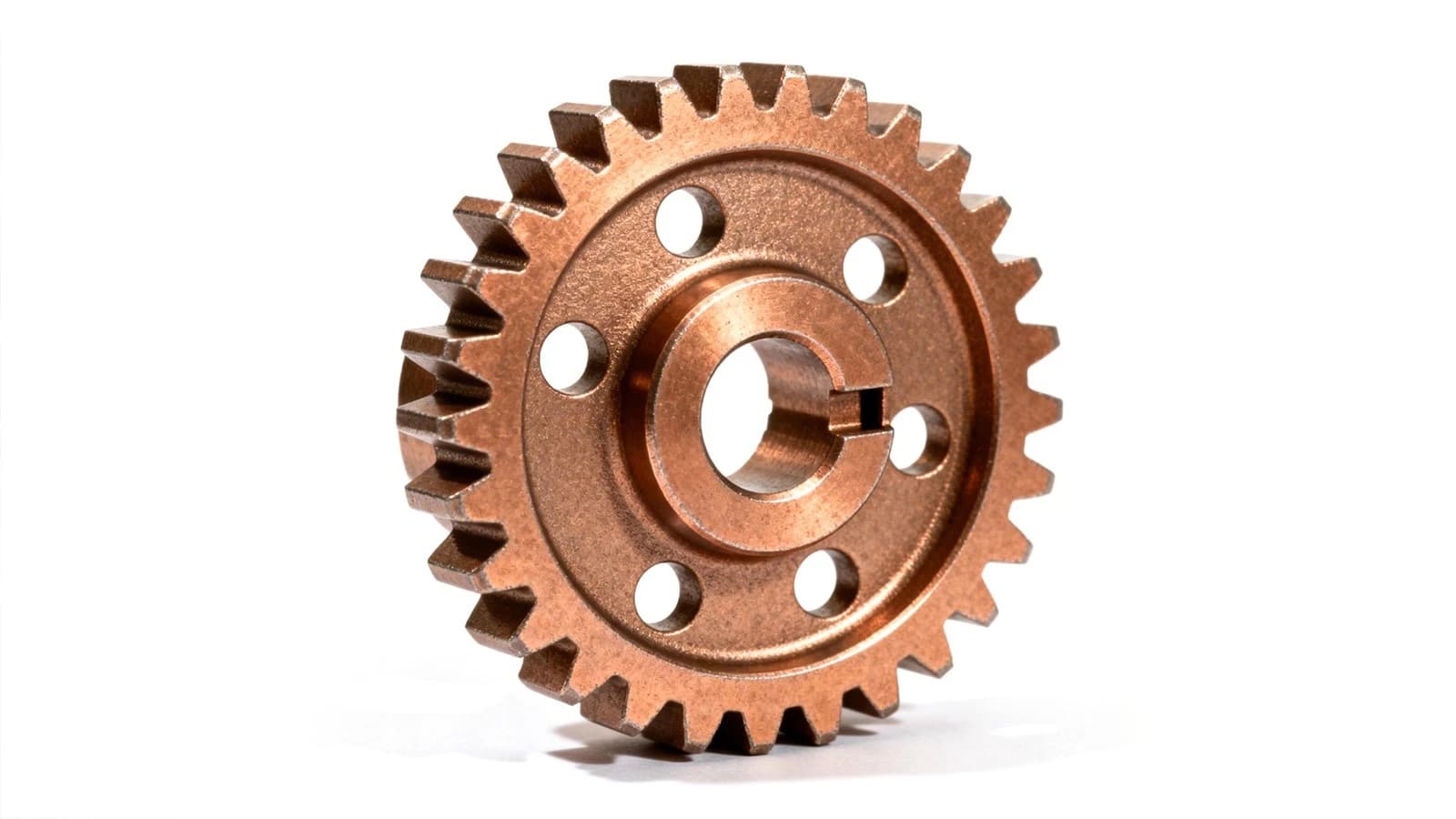
Copper Alloy Powder Metallurgy Gears
Materials: Copper-based PM alloys
Quiet meshing, controlled pore network for lubrication retention, high thermal stability, minimal post-machining
View Details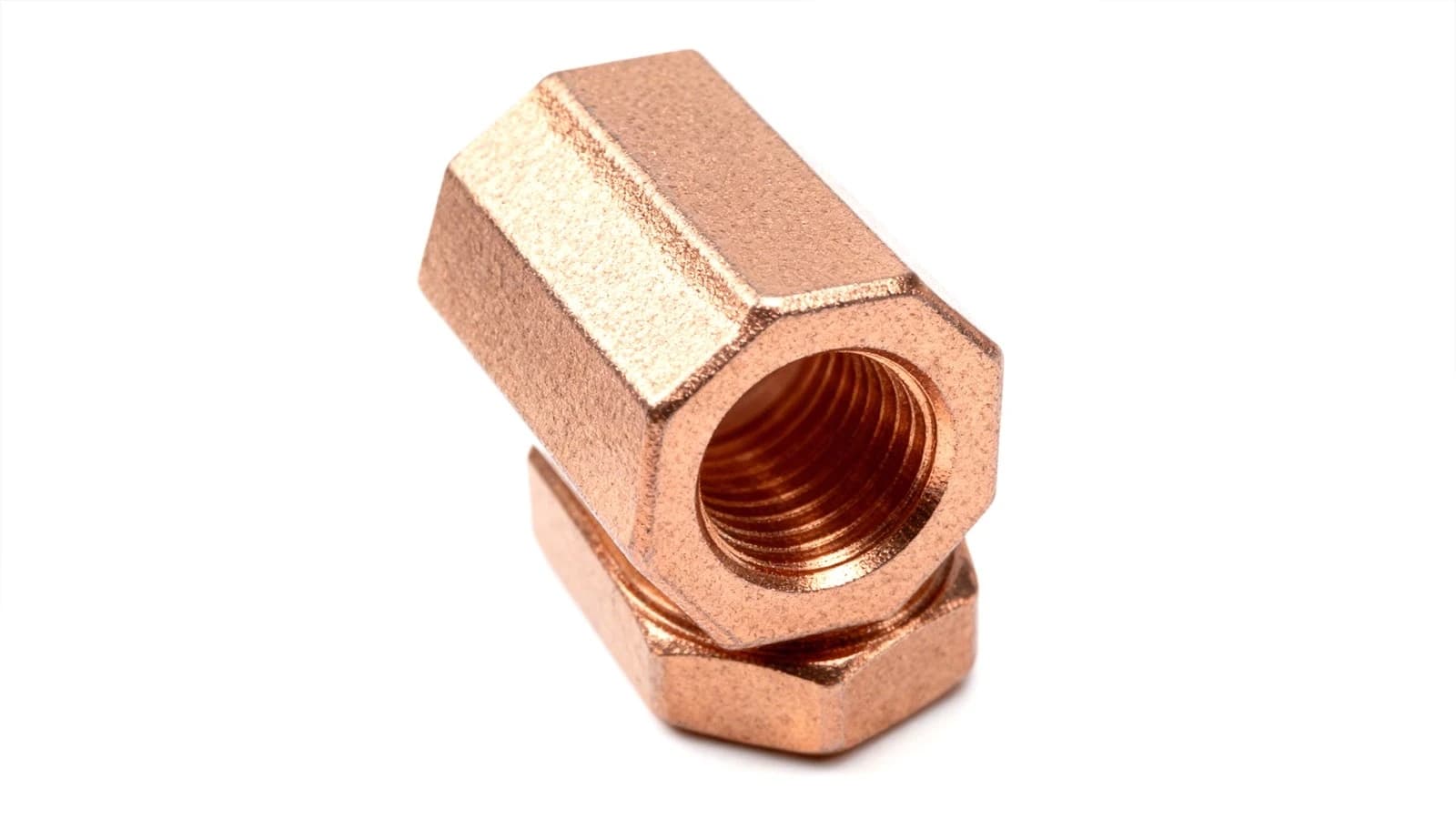
Powder Metallurgy Copper Components
Materials: Copper-based PM alloys
High conductivity, complex geometries and thin walls, uniform microstructure, cost-effective high-volume production
View Details