
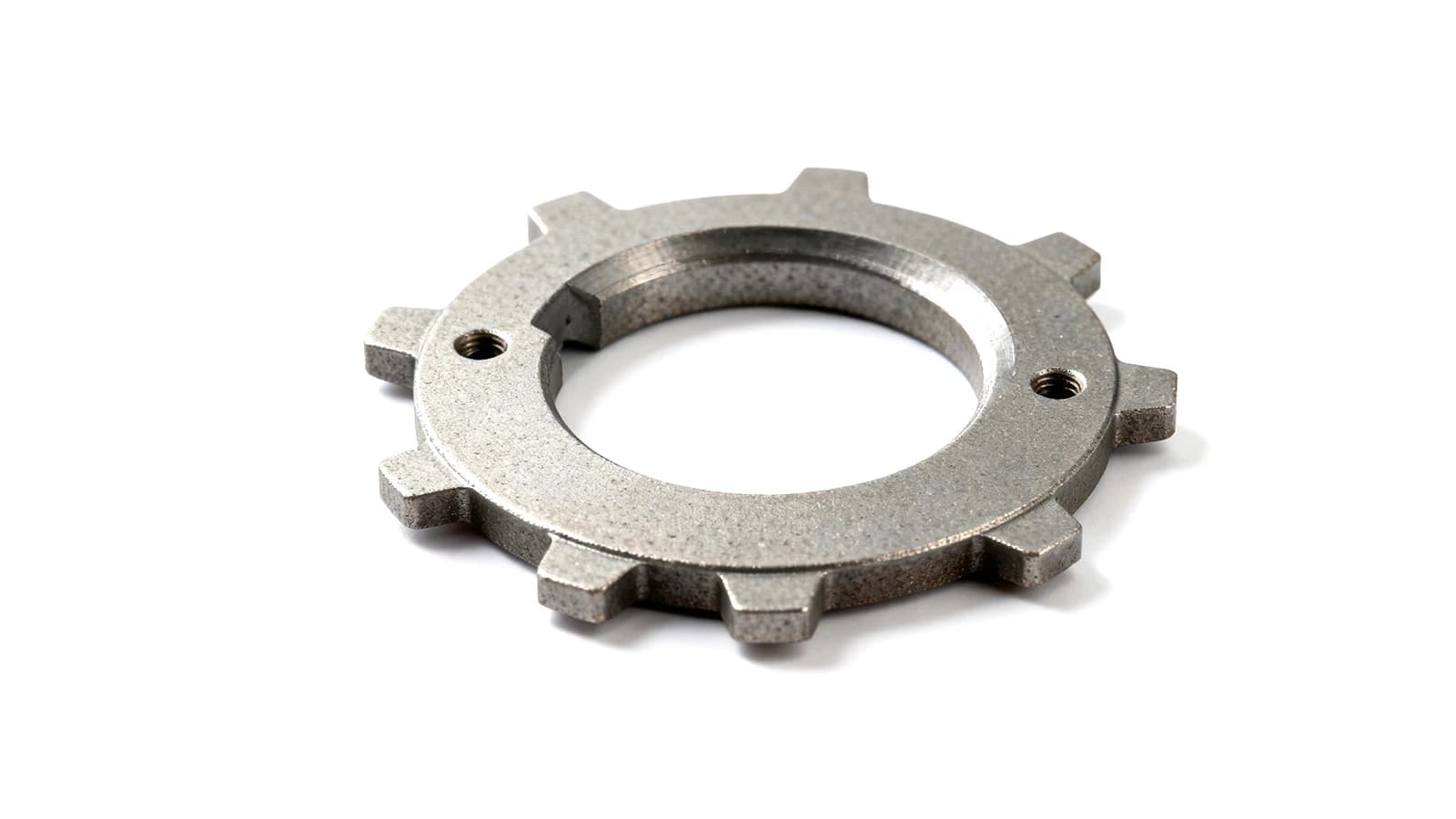
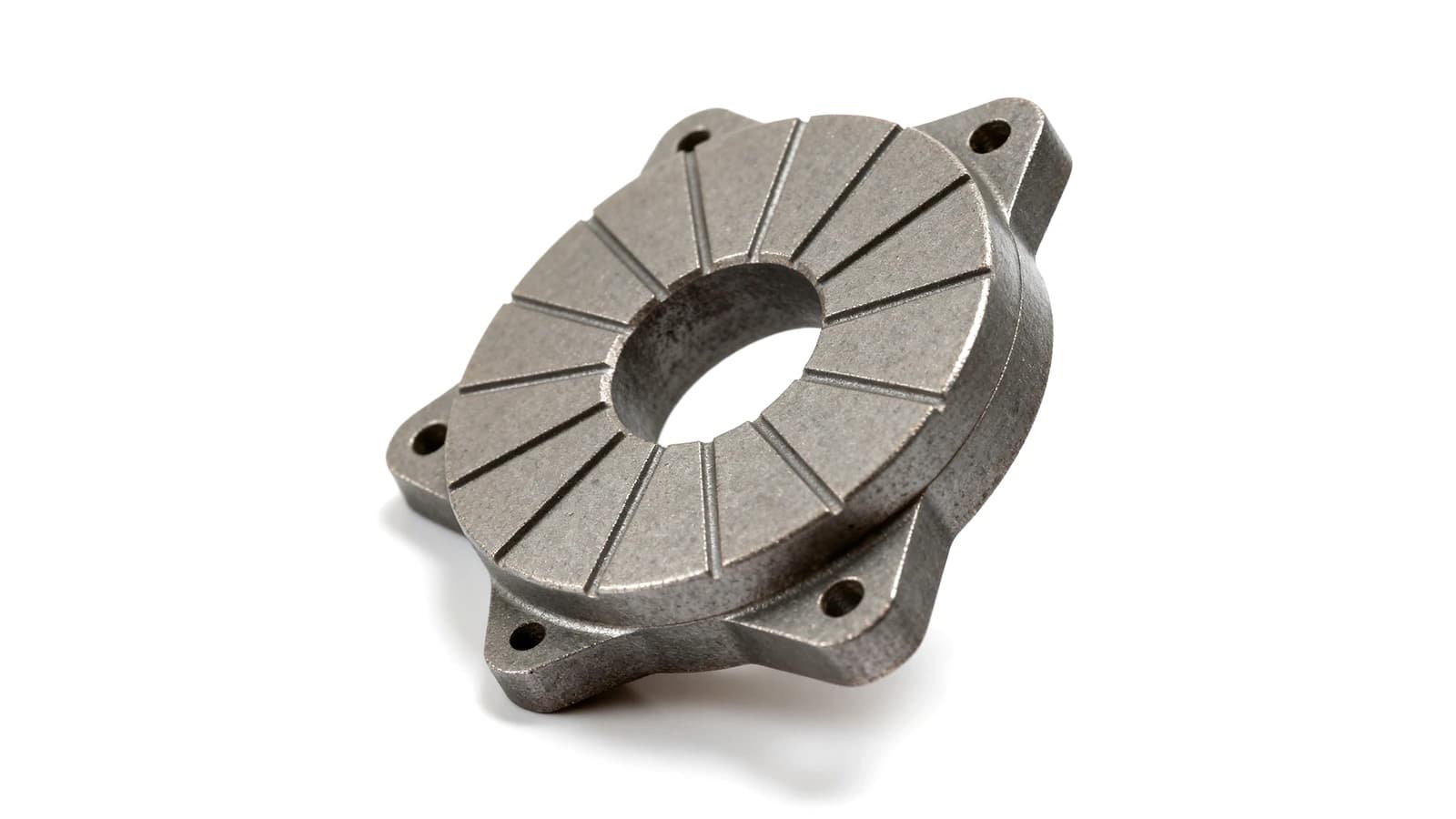
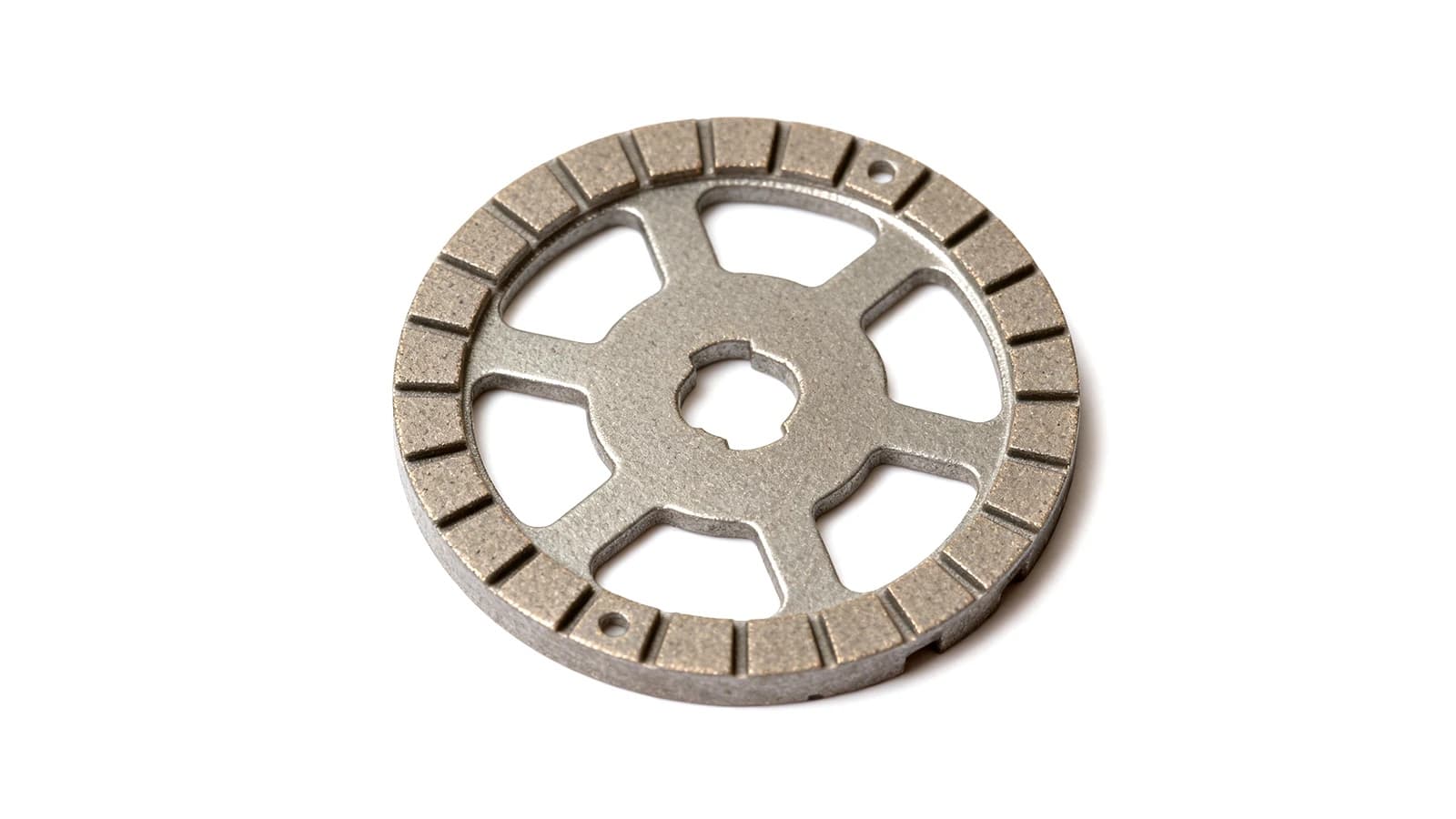
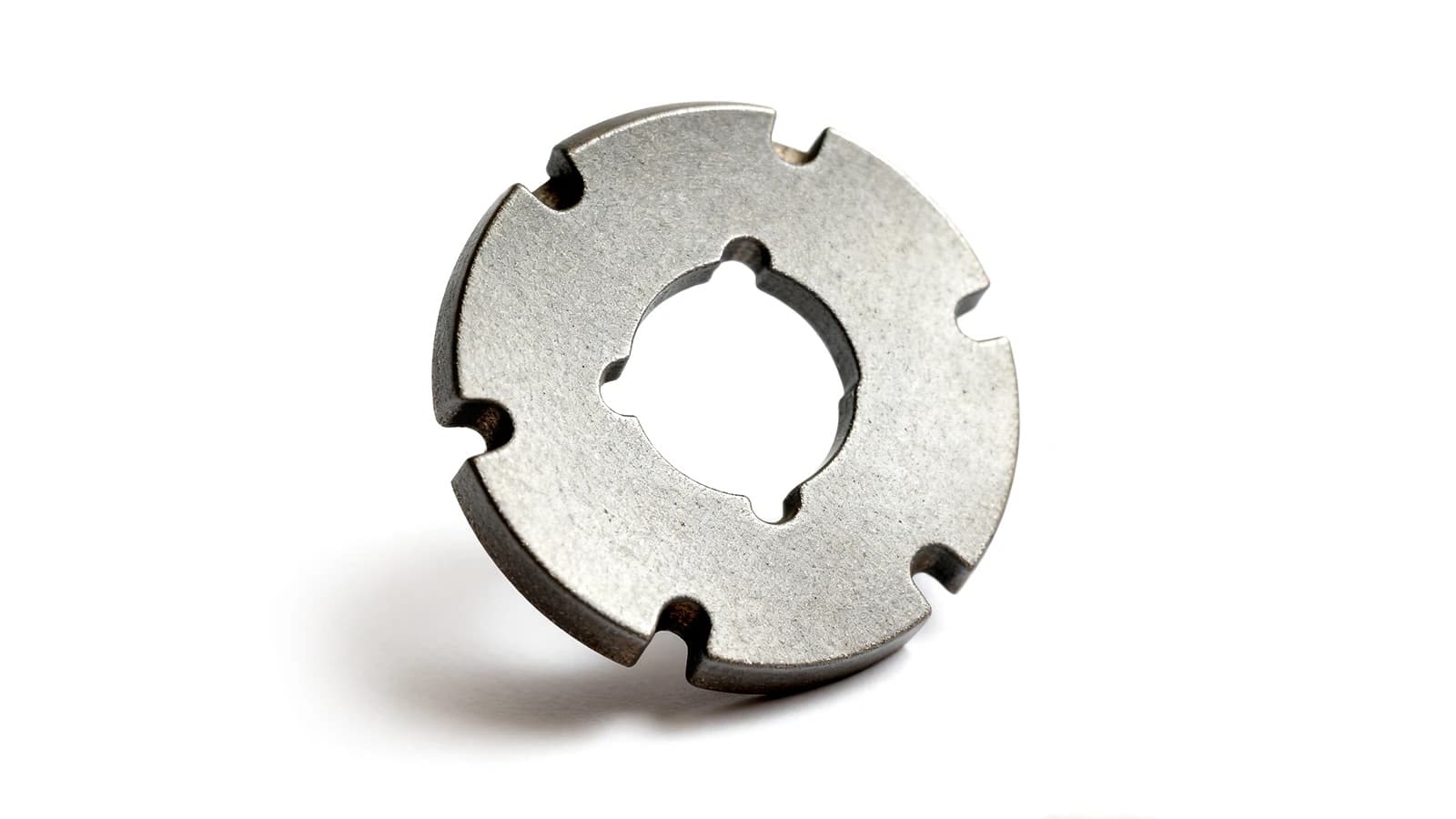
Powder Metallurgy Friction Plates
PM friction plates delivering stable, reliable friction performance under high-temperature, high-load conditions — uniform density and optimized porosity for clutches, brakes and engagement systems.
- Materials
- Self-developed PM friction alloy powders
- Features
- Stable up to 500°C, controlled porosity for friction and heat dissipation, excellent wear resistance under cyclic load, complex multi-step profiles and holes, near-net-shape production
- Application
- Automotive clutch plates for manual and automatic transmissions, industrial braking systems, heavy machinery engagement components, aerospace and defense actuation, commercial vehicle friction modules.
Specifications
| Parameter | Value |
|---|---|
| Temperature Stability | Up to 500 °C |
Frequently Asked Questions
What materials and process are used for Powder Metallurgy Friction Plates?
Powder Metallurgy Friction Plates is made from Self-developed PM friction alloy powders and is formed by MIM/PM (metal injection molding / powder metallurgy) near-net-shape and sintered to a relative density of ≥ 98%, which keeps mechanical properties close to wrought material.
What are the key specifications of Powder Metallurgy Friction Plates?
Typical specifications: Temperature Stability: Up to 500 °C. The full parameter list is in the specifications table on this page; custom requirements can be discussed against your drawing.
What is the MOQ and lead time for Powder Metallurgy Friction Plates?
MOQ is 1000 pcs. Mold lead time is about 20 days (mold fee typically RMB 20–40k depending on part geometry), and production lead time is about 7 days once the mold is validated; secondary processing adds 3–5 days.
Related Applications
Related Products
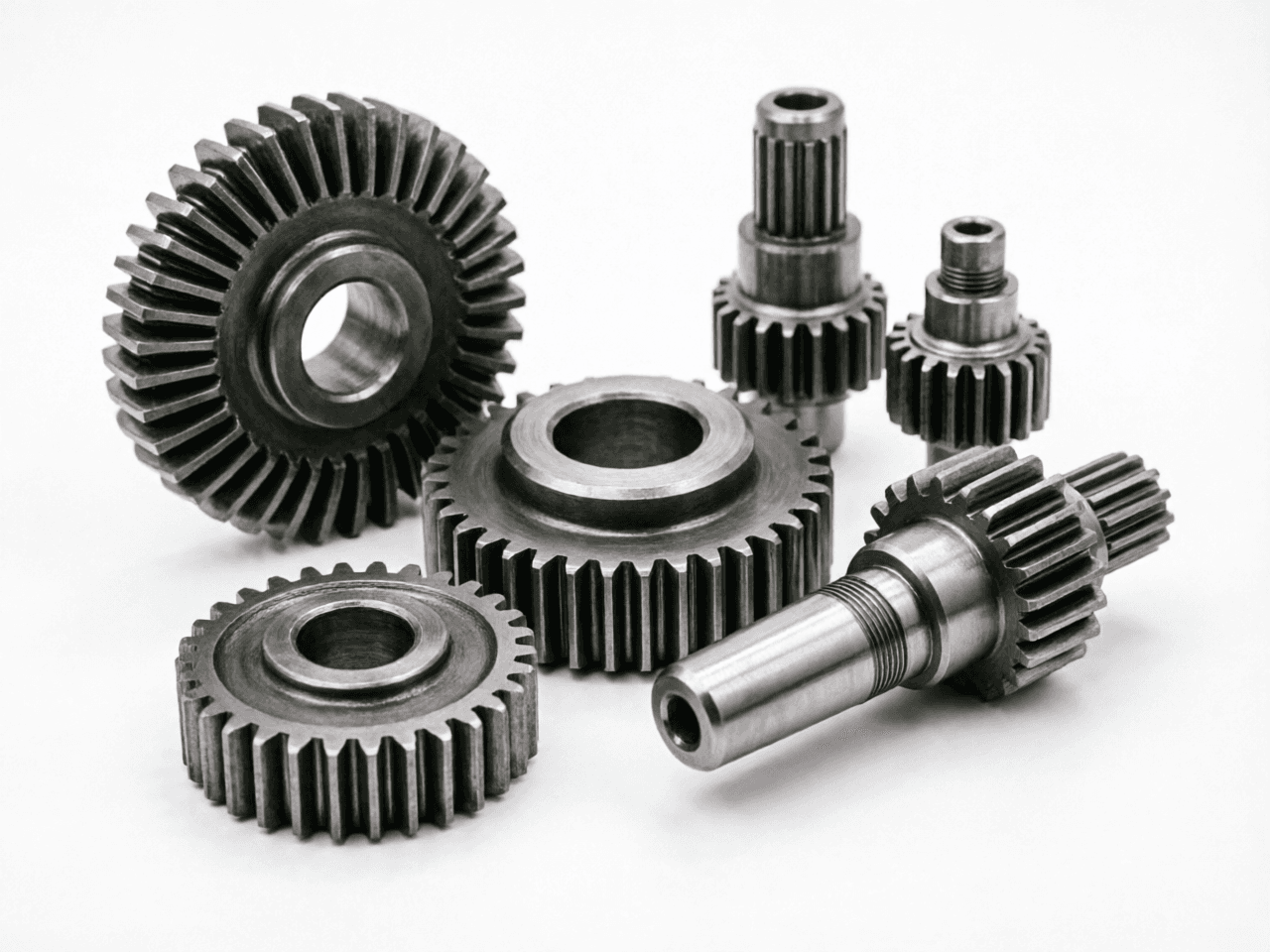
Iron Base Alloy MIM Parts
Materials: Fe2Ni, Fe4Ni, Fe8Ni, FeC, FeCuC
High strength, high hardness
View Details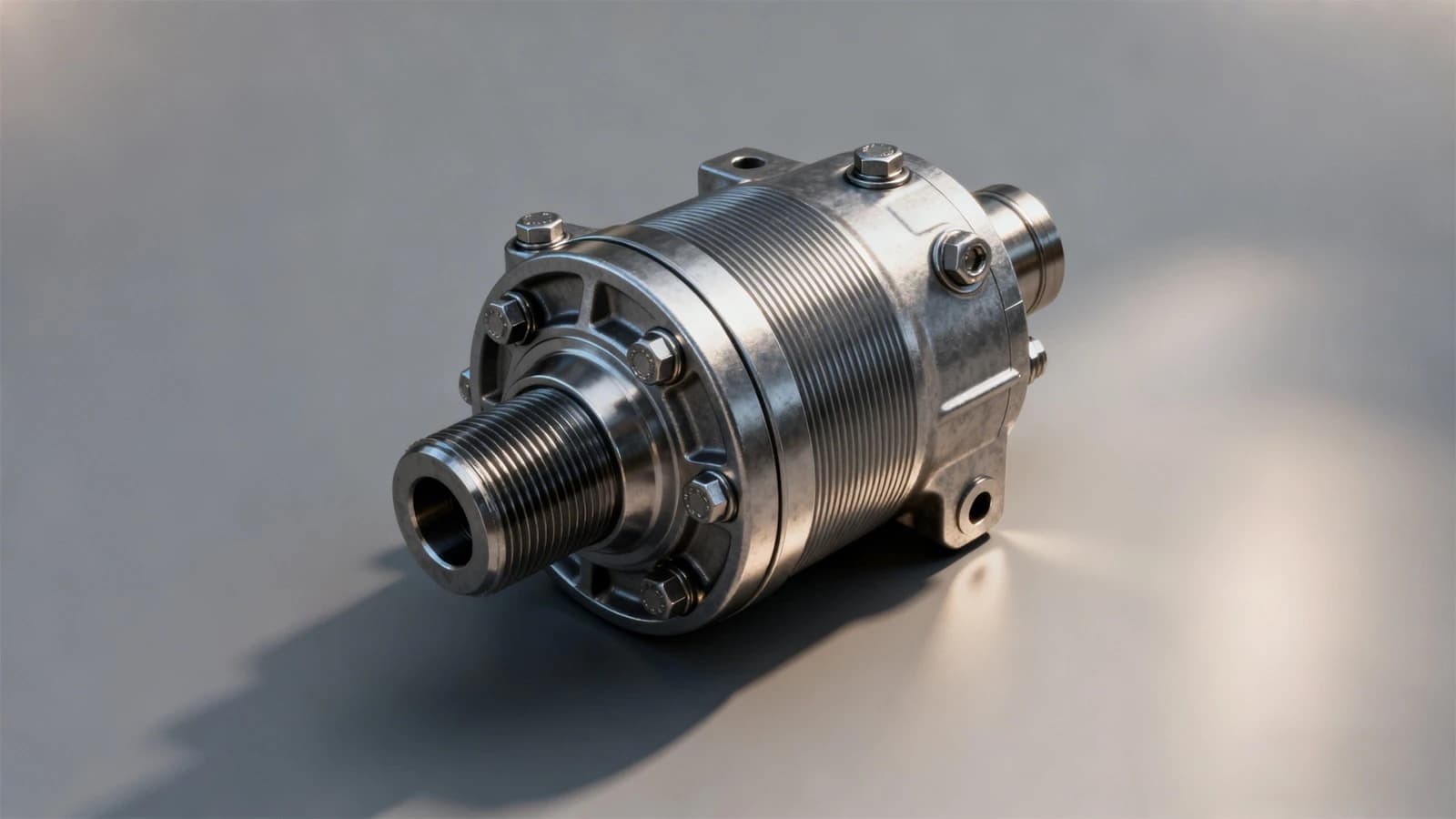
Automotive Powder Metallurgy Parts
Materials: Proprietary PM/MIM iron-based alloy powders
High strength-to-weight ratio, near-net-shape forming, tight tolerances, excellent wear and friction resistance, complex geometries with internal cavities, heat treatment and coatings supported
View Details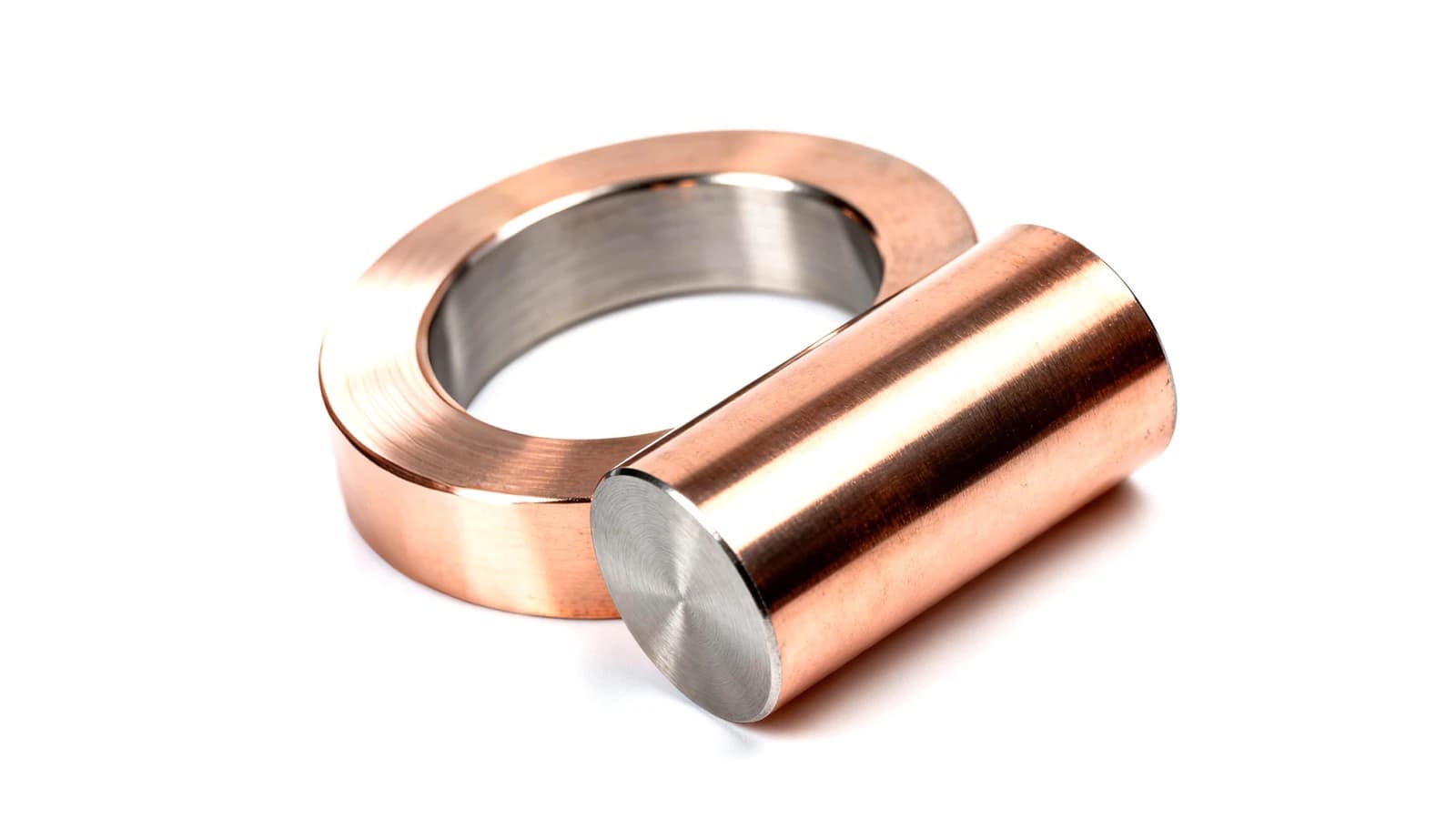
Copper Nickel Tungsten Components
Materials: Cu-Ni-W alloy (self-developed powders)
High strength with excellent thermal/electrical conductivity, superior corrosion and oxidation resistance, thin-wall complex geometries, homogeneous microstructure, cost-effective high-volume production
View Details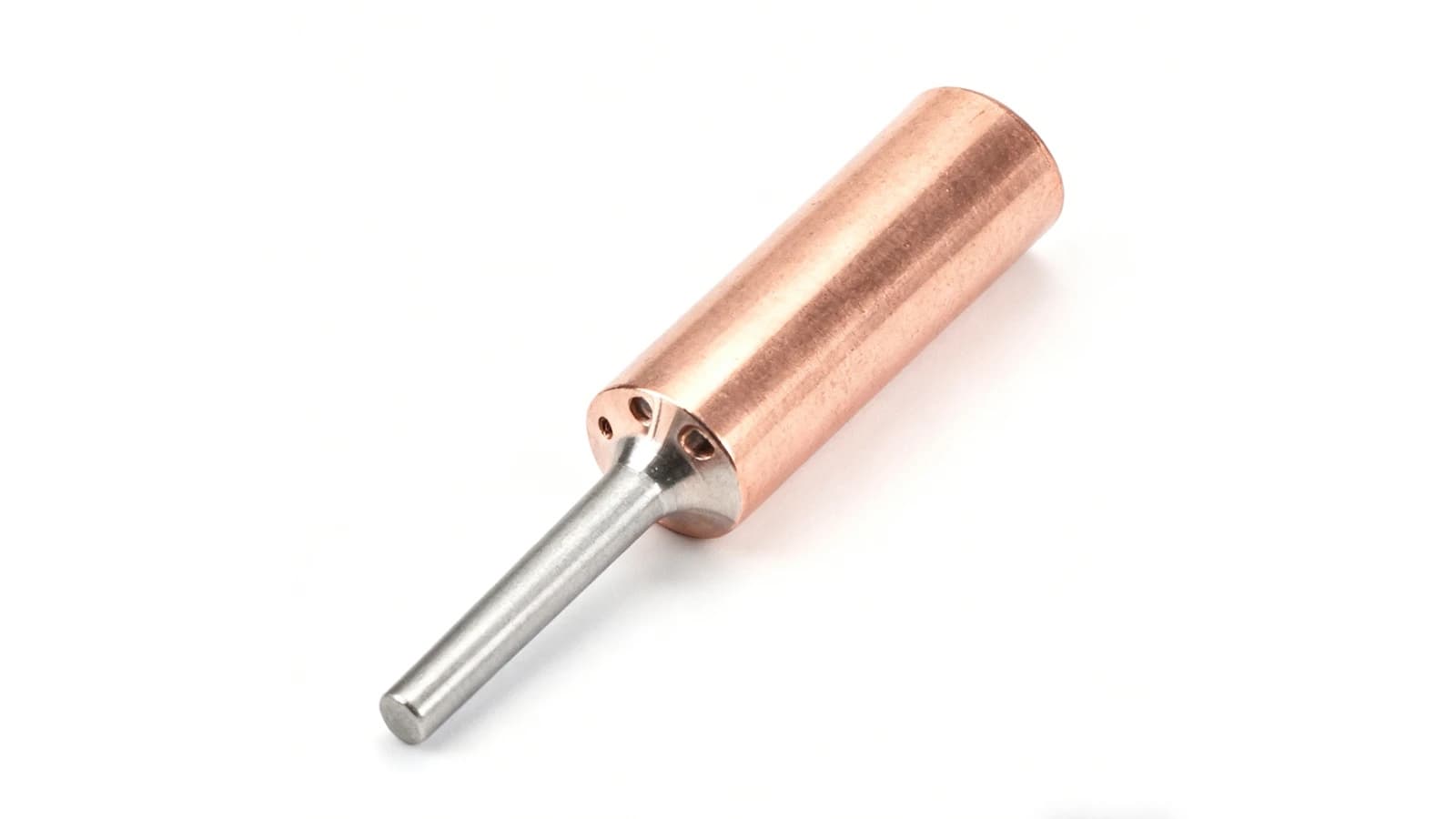
Copper Tungsten EDM Electrodes
Materials: Tungsten copper (W-Cu), W70Cu30 to W90Cu10
High arc resistance, rapid thermal dissipation, uniform erosion rate, machinable for fine-tolerance complex shapes, minimal thermal distortion, PM/MIM near-net-shape production
View Details