
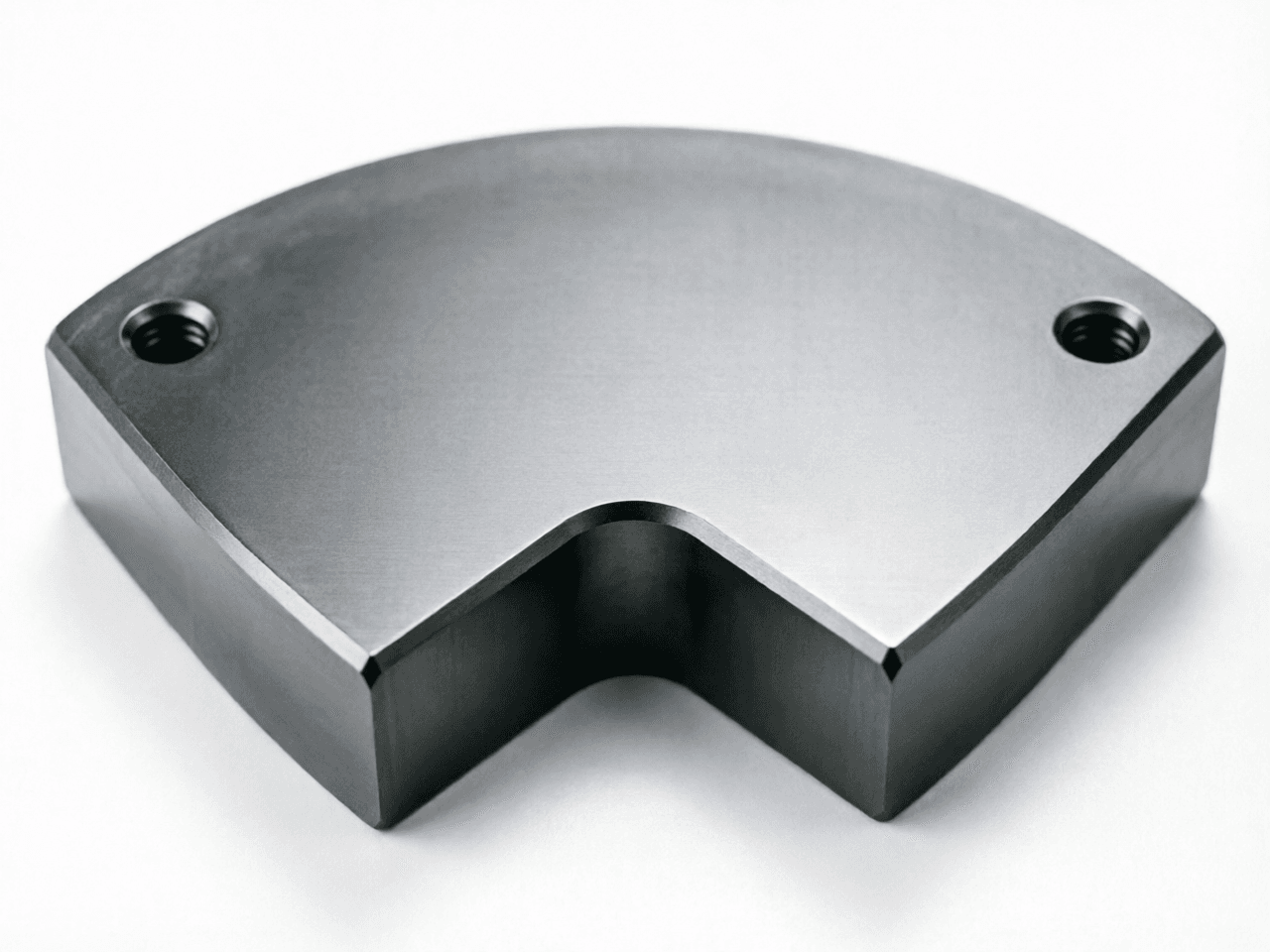
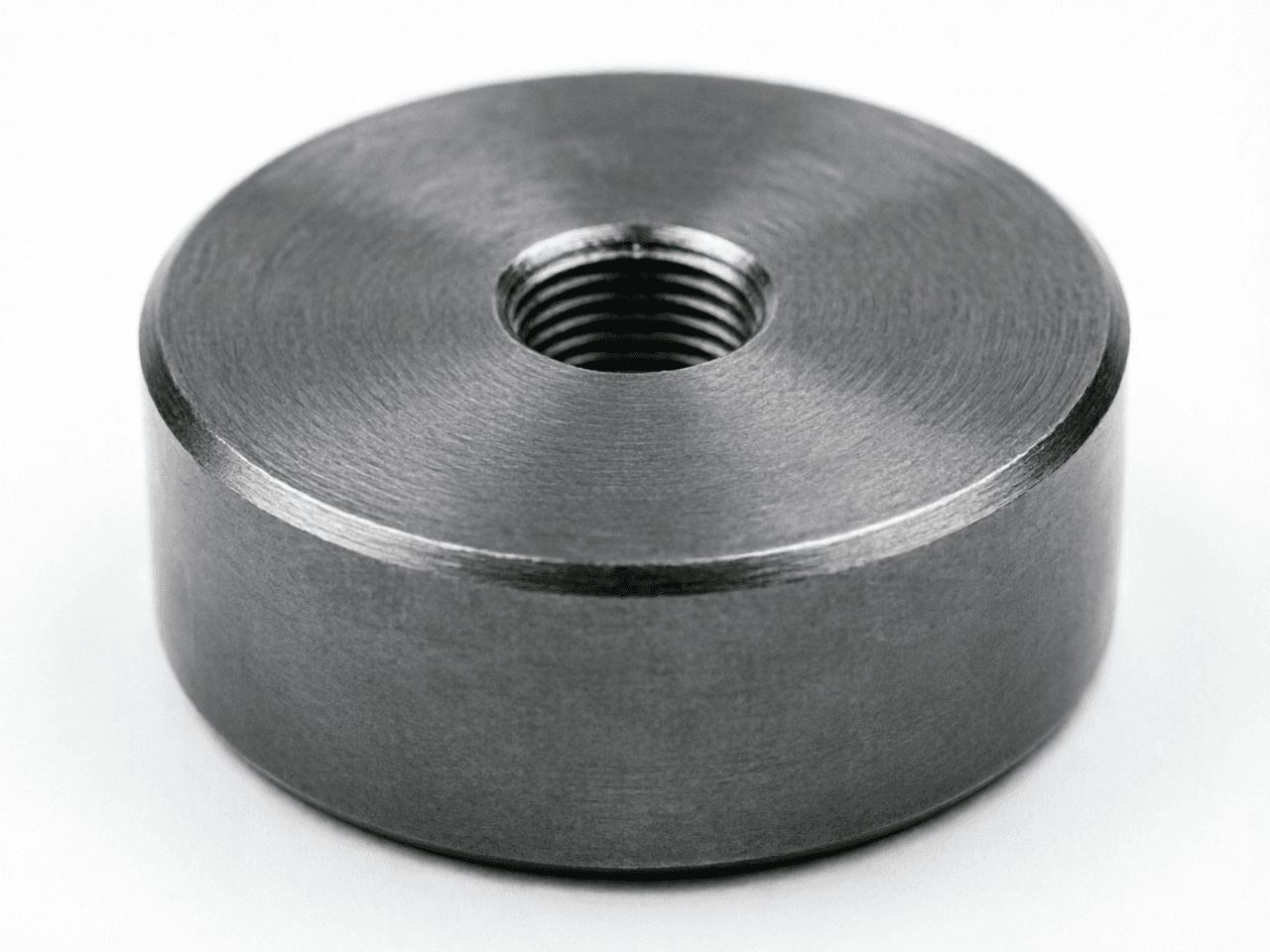
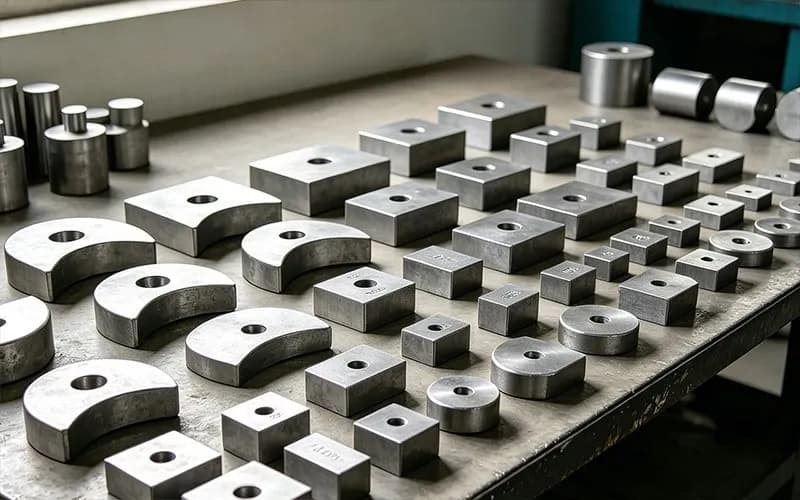
Tungsten Alloy Spacecraft Attitude Control Counterweight
Space-grade W-Ni-Fe counterweight for orbital attitude control systems — 17.8–18.5 g/cm³, zero outgassing (CVCM < 0.1%), magnetic permeability < 1.05, gold / nickel plating available.
- Materials
- W-Ni-Fe (space grade)
- Features
- Vacuum-sintered volatile-free matrix, low magnetic permeability, near-net shape cost optimization, gold / nickel plating options
- Application
- Momentum and reaction wheels, thruster assemblies, scientific payload balancing for asymmetric satellite configurations.
Specifications
| Parameter | Value |
|---|---|
| Material Grade | W-Ni-Fe (Space Grade) |
| Density | 17.8 – 18.5 g/cm³ |
| Vacuum Stability | Zero Outgassing (CVCM < 0.1%) |
| Magnetic Permeability | < 1.05 |
| Surface Treatment | Gold/Nickel Plating Available |
Frequently Asked Questions
What materials and process are used for Tungsten Alloy Spacecraft Attitude Control Counterweight?
Tungsten Alloy Spacecraft Attitude Control Counterweight is made from W-Ni-Fe (space grade) and is formed by MIM/PM (metal injection molding / powder metallurgy) near-net-shape and sintered to a relative density of ≥ 98%, which keeps mechanical properties close to wrought material.
What are the key specifications of Tungsten Alloy Spacecraft Attitude Control Counterweight?
Typical specifications: Material Grade: W-Ni-Fe (Space Grade); Density: 17.8 – 18.5 g/cm³; Vacuum Stability: Zero Outgassing (CVCM < 0.1%). The full parameter list is in the specifications table on this page; custom requirements can be discussed against your drawing.
What is the MOQ and lead time for Tungsten Alloy Spacecraft Attitude Control Counterweight?
MOQ is 1000 pcs. Mold lead time is about 20 days (mold fee typically RMB 20–40k depending on part geometry), and production lead time is about 7 days once the mold is validated; secondary processing adds 3–5 days.
Related Products
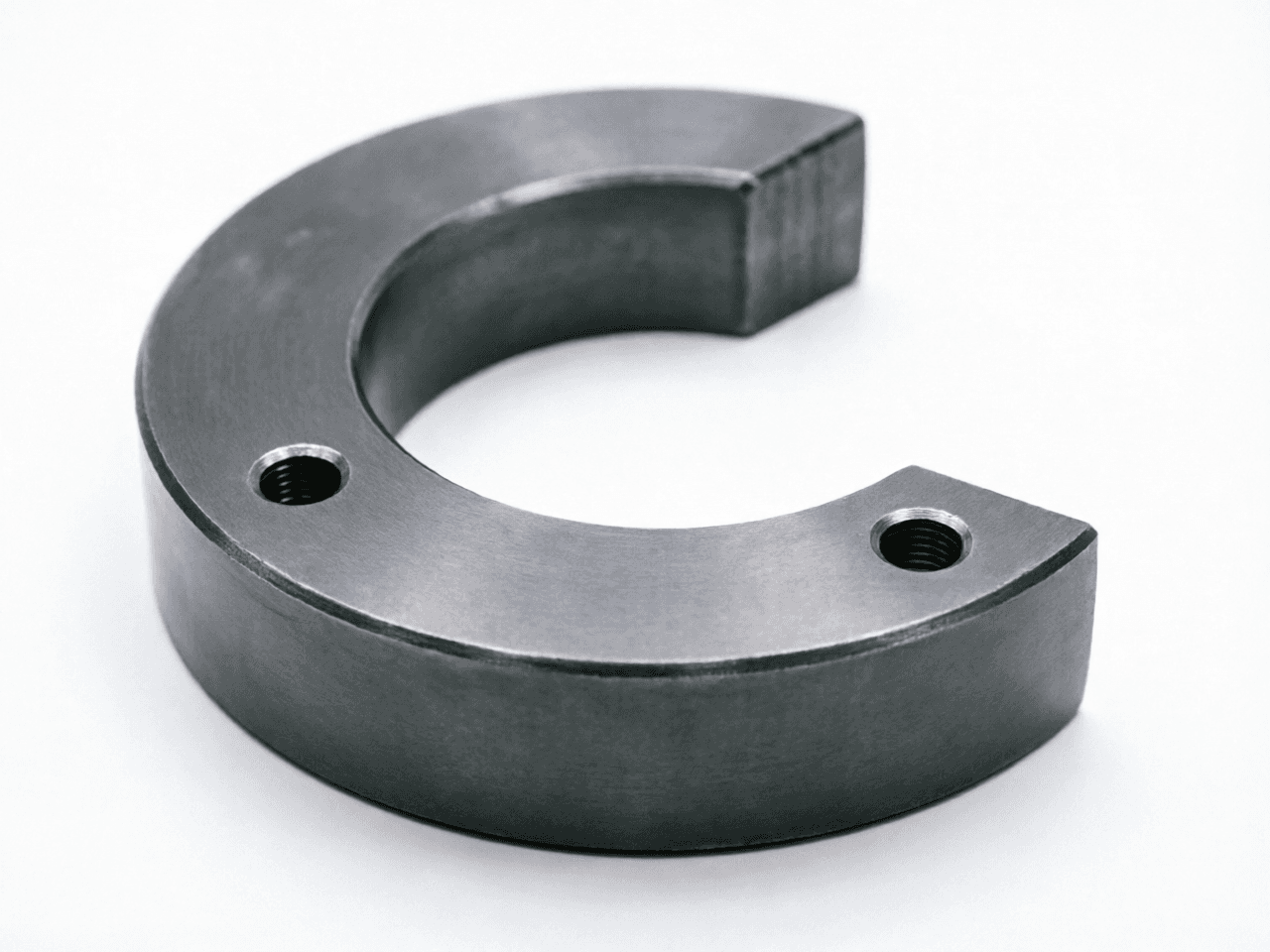
Tungsten Alloy Aerospace Turbine Counterweight
Materials: W-Ni-Fe heat-resistant heavy alloy
High-temperature creep resistance, ≥ 400 MPa yield @ 400°C, net-shape PM molding, passivation / electro-nickel options
View Details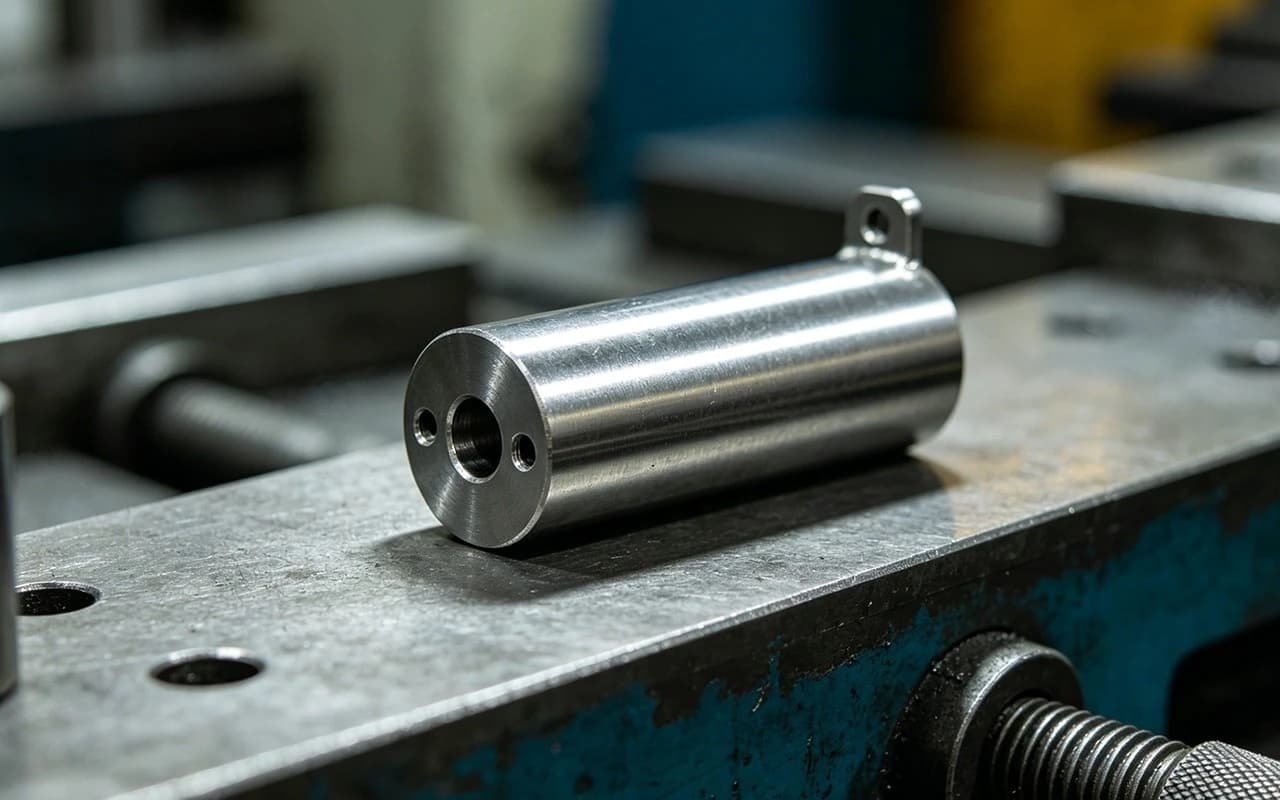
Tungsten Alloy Aircraft Aileron Counterweight
Materials: W-Ni-Fe heavy alloy
Sintered density ≥ 17.5 g/cm³, high yield strength, superior impact toughness, electro-nickel / chrome plating / passivation options
View Details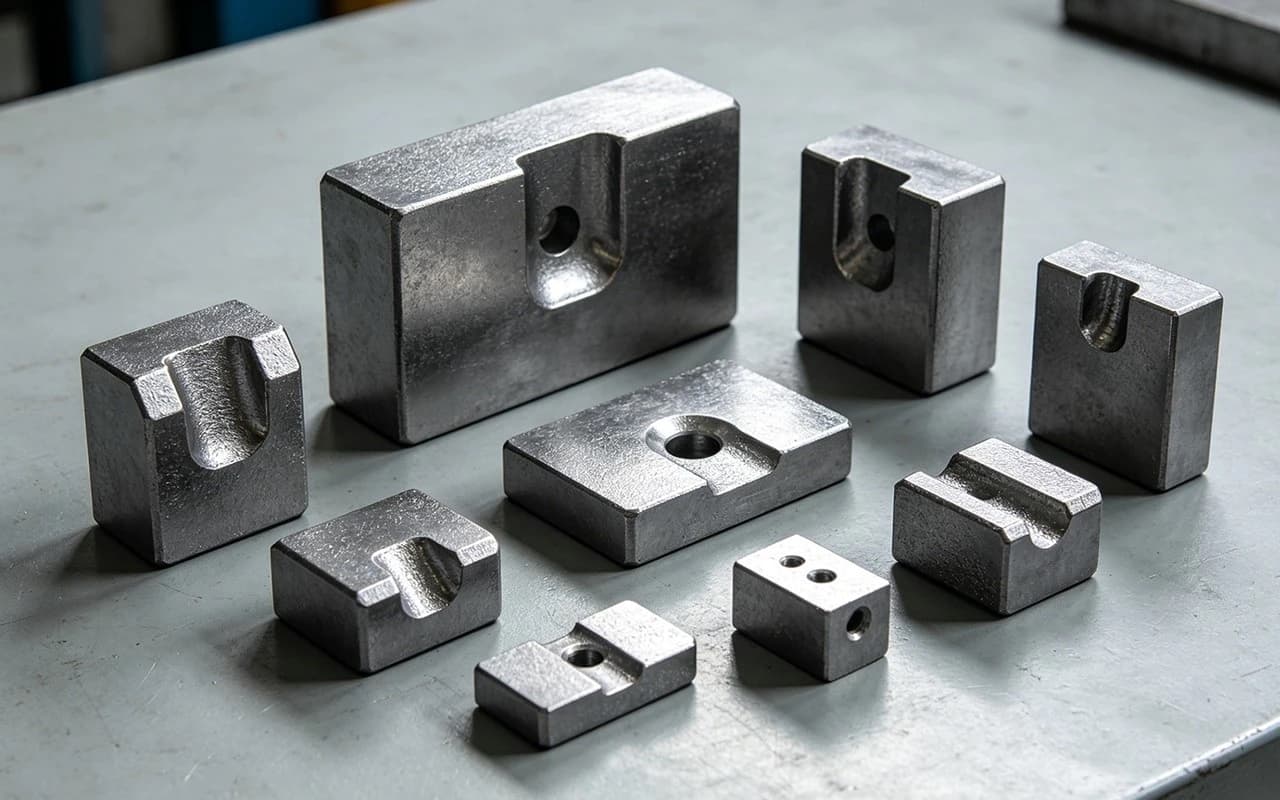
Tungsten Alloy Aircraft Flap Counterweight
Materials: AMS-T-21014 Class 1 tungsten heavy alloy
AMS-T-21014 Class 1 certified, multi-axial hydraulic compaction, precision grooves and mounting slots, >500 h salt-spray plating
View Details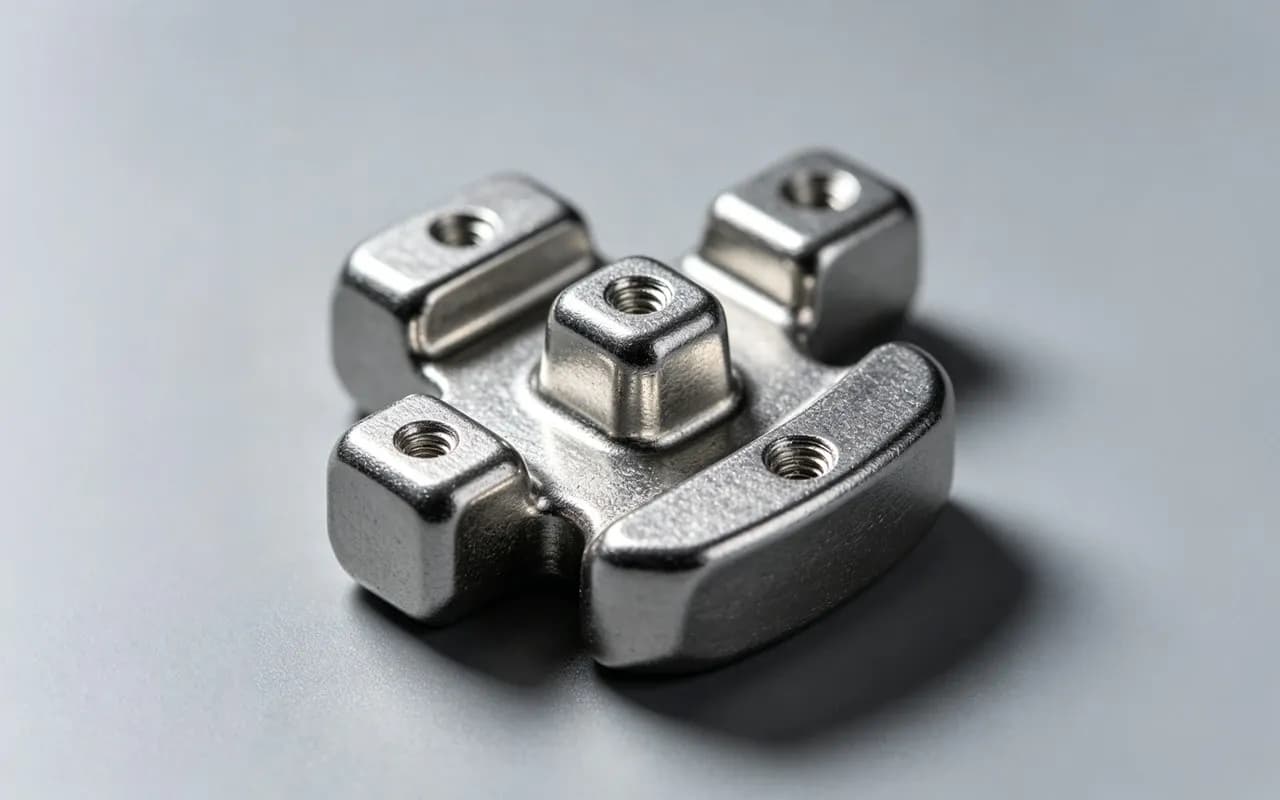
Tungsten Alloy Aircraft Radar Equipment Counterweight
Materials: W-Ni-Cu (non-magnetic option)
Zero magnetic interference, high-efficiency vibration damping, compact low-profile integration, electro-nickel / zinc coatings
View Details