
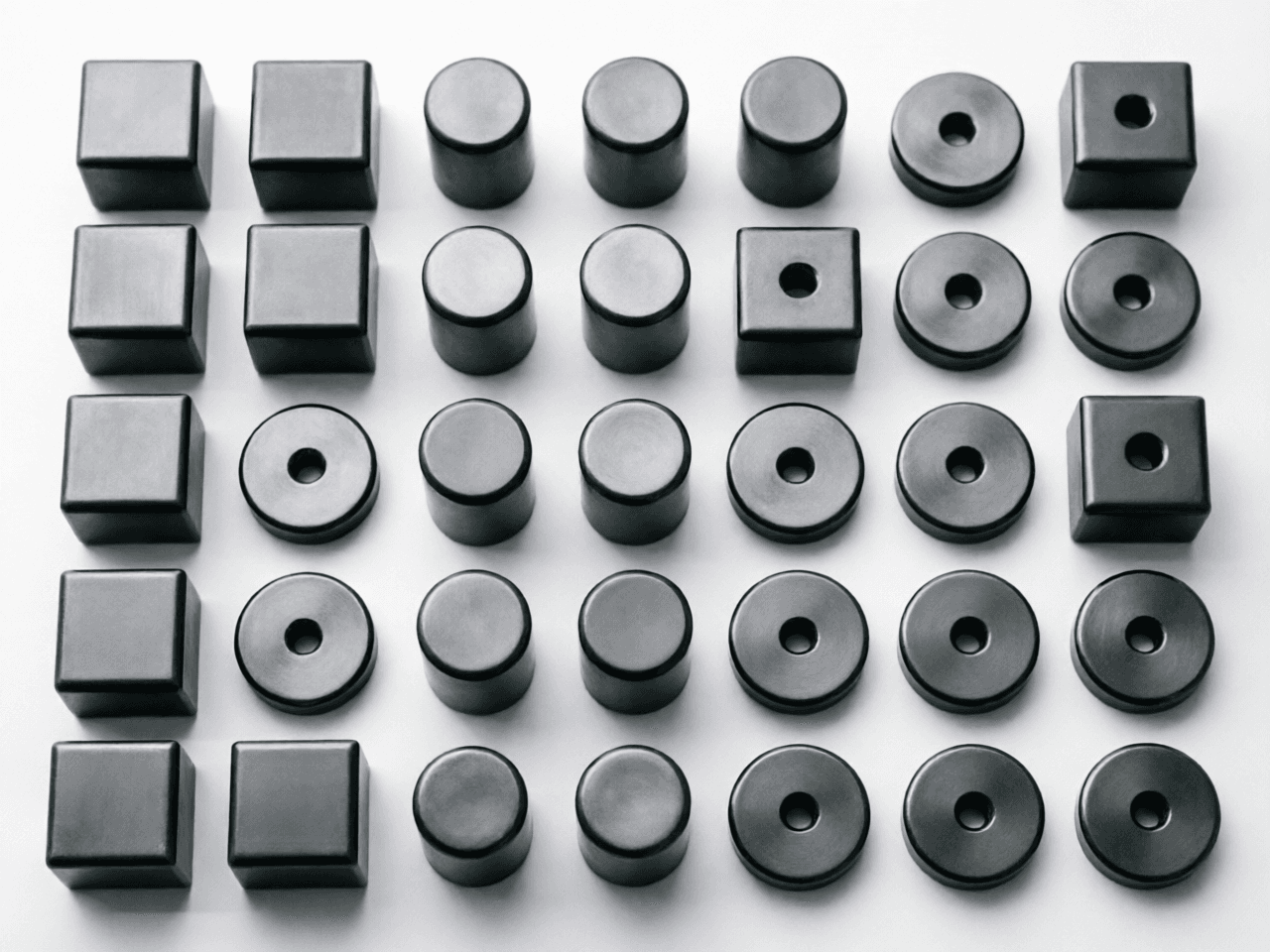
Tungsten Alloy Counterweight
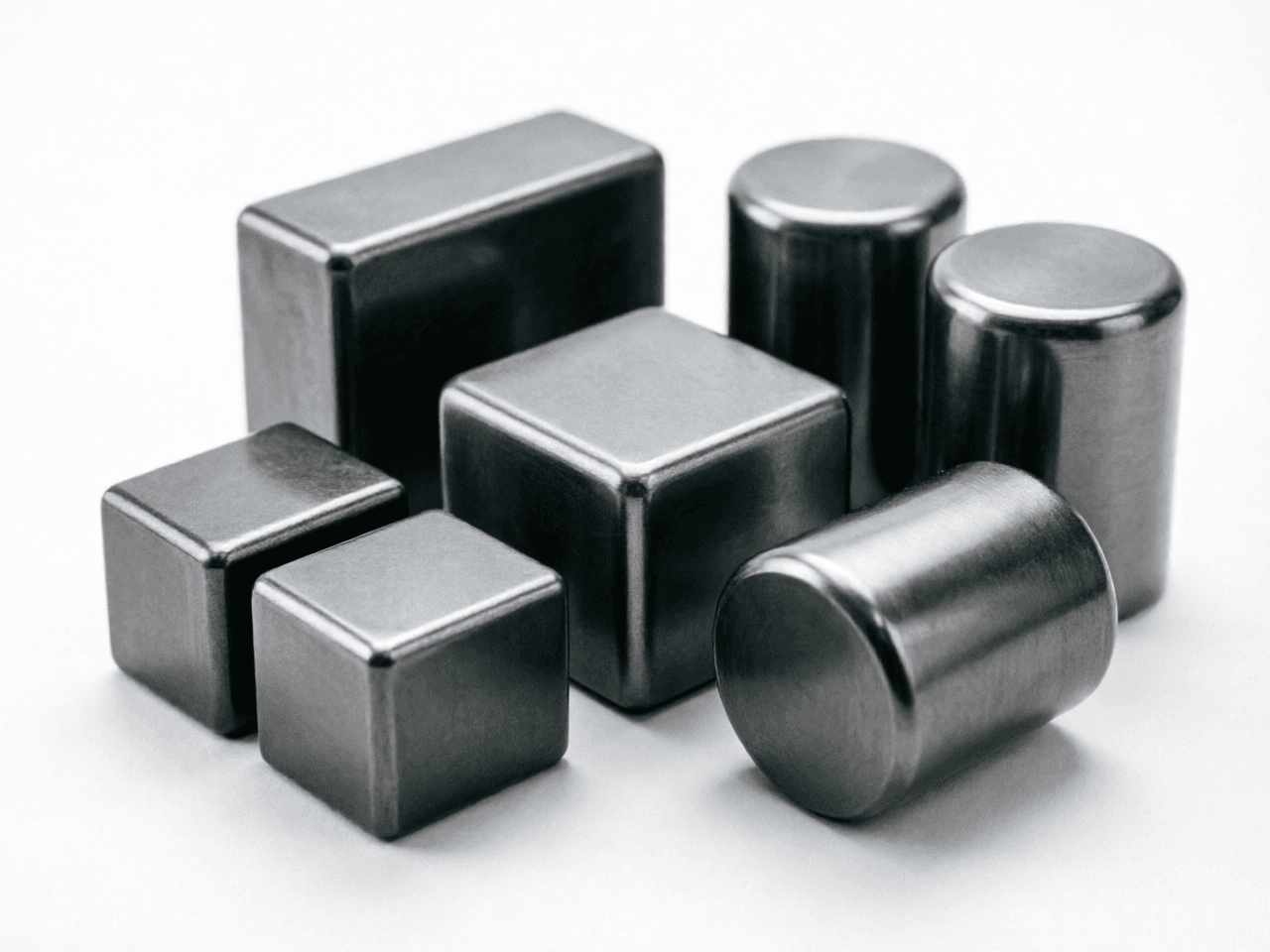
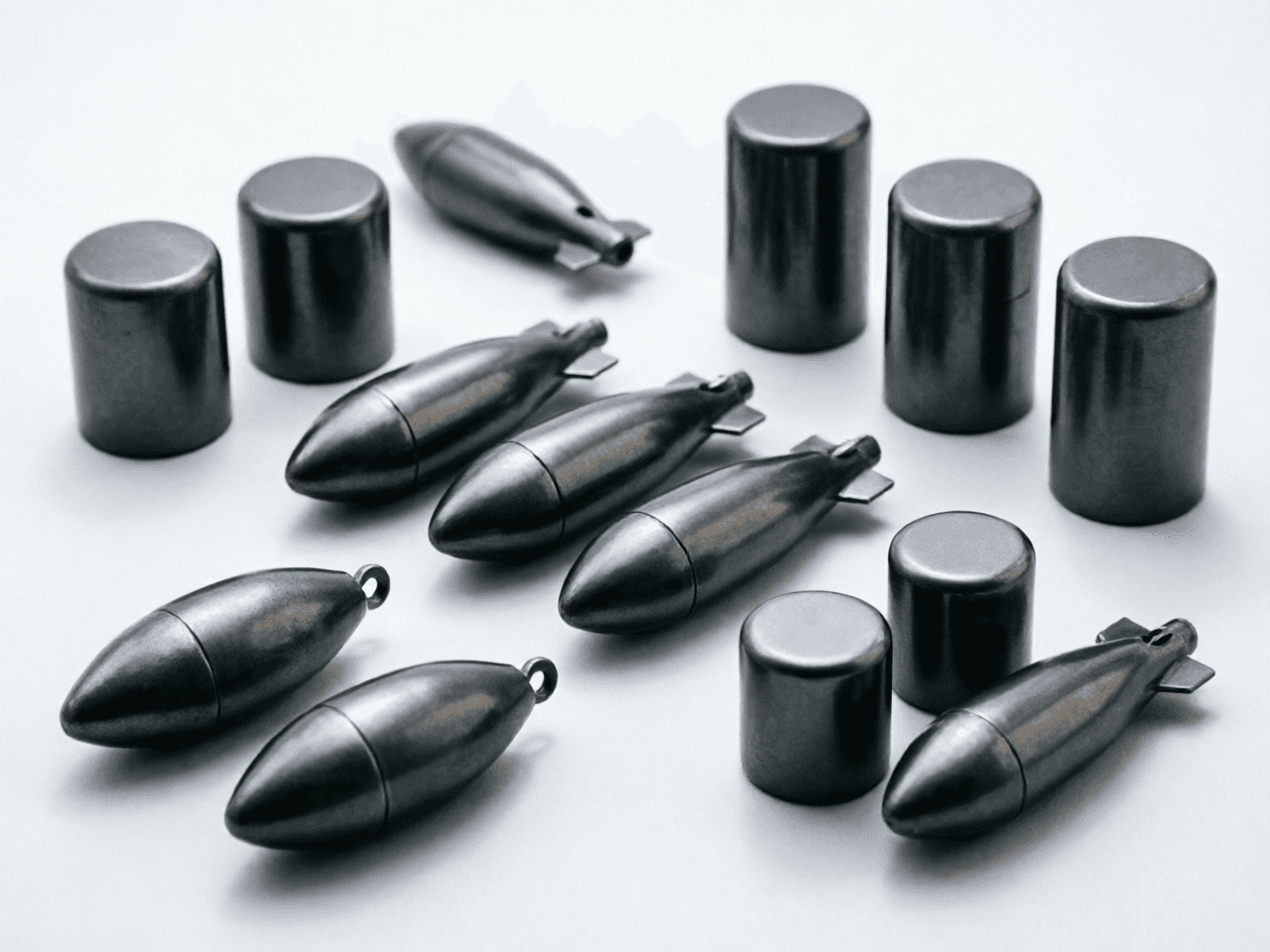
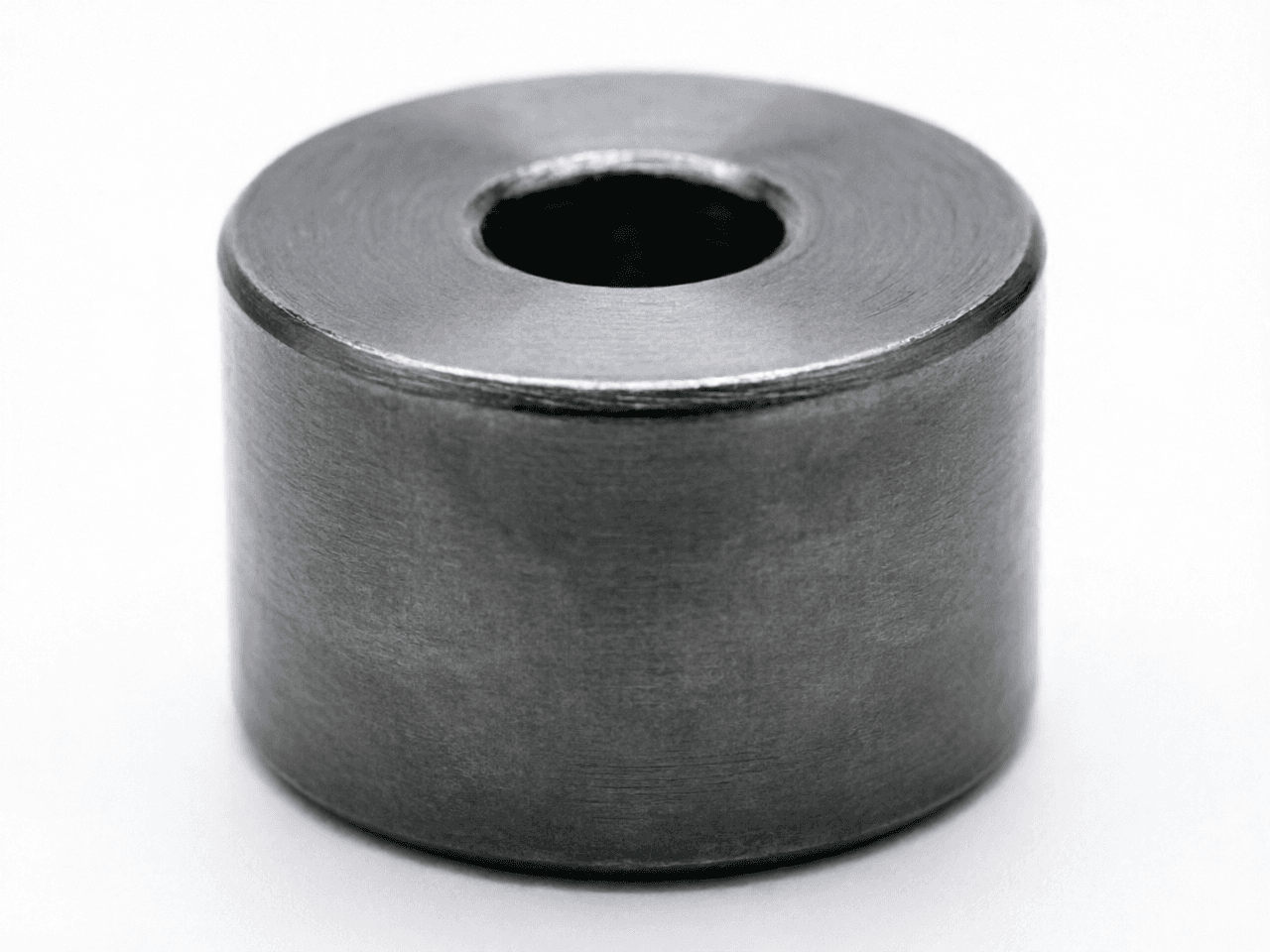
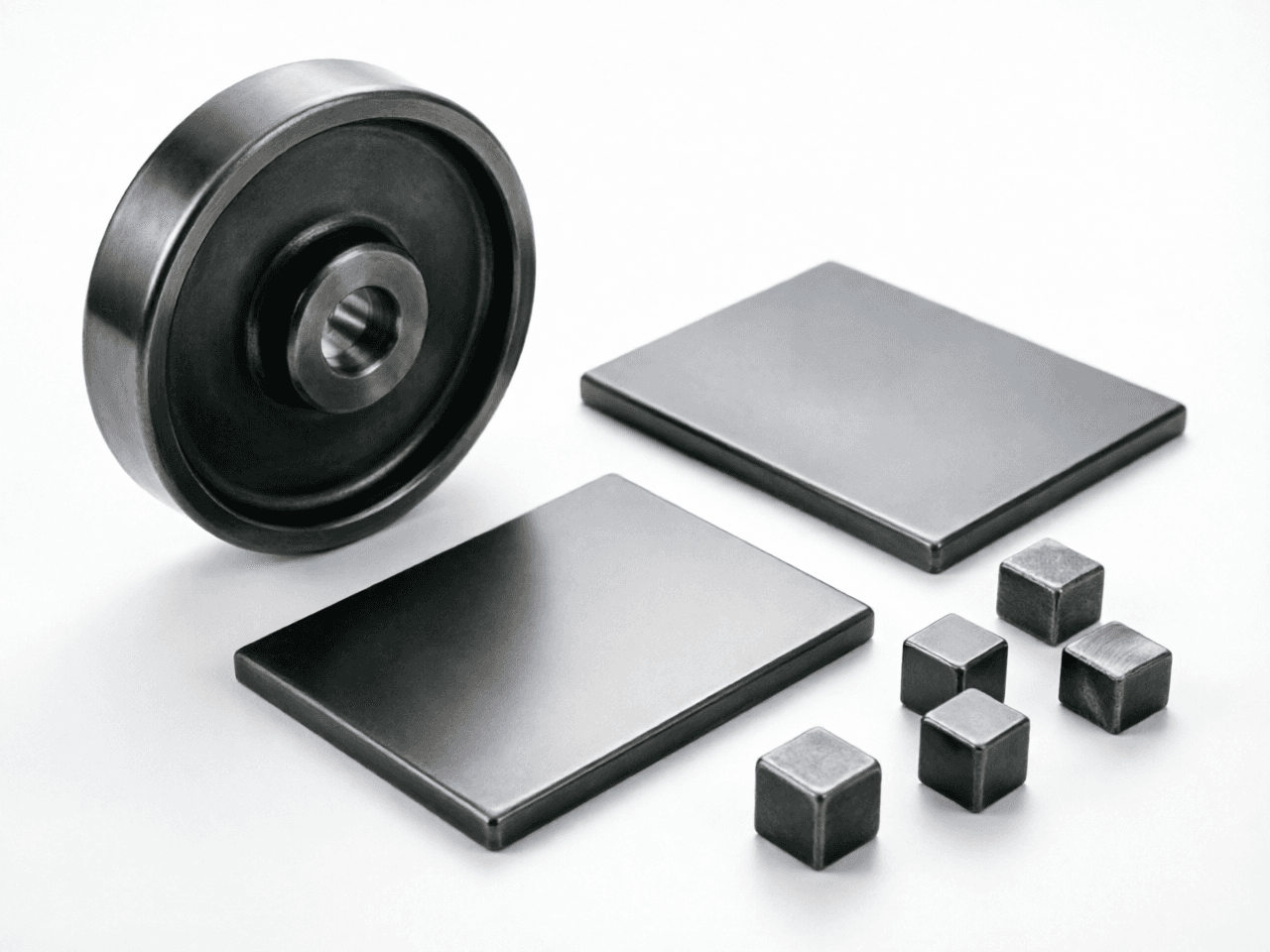
High density tungsten alloy counterweights for vibrating motors, mobile phones, electric toothbrushes, massagers, golf, fishing gear and vehicles.
- Materials
- W-Ni-Cu, W-Ni-Fe
- Features
- High density, good corrosion resistance
- Application
- Vibrating motor, mobile phone, electric toothbrush, massager, golf, fishing gear, vehicle, etc.
Specifications
| Parameter | Value |
|---|---|
| Material | W-Ni-Cu, W-Ni-Fe |
| Density | 13.5–18.2 g/cm³ |
Frequently Asked Questions
What density can tungsten alloy counterweights reach?
Depending on the composition — W-Ni-Fe or W-Ni-Cu with 80–97% tungsten — density ranges from 13.5 to 18.2 g/cm³, about 1.7× that of lead. That lets you put more weight in less space, which is why these alloys are used in vibrating motors, phones, electric toothbrushes, massagers, golf and fishing gear.
How do I choose between W-Ni-Fe and W-Ni-Cu?
Both reach the same 13.5–18.2 g/cm³ density range. W-Ni-Fe offers slightly better strength and ductility and is magnetic; W-Ni-Cu is essentially non-magnetic and preferred where magnetism must be avoided, such as near sensors or compass modules. We can recommend a grade from your drawing and application.
Can counterweights be machined or plated after sintering?
Yes. Tungsten alloy can be turned, milled, drilled and threaded with carbide tooling, and parts can be nickel-plated, zinc-plated or painted for corrosion protection and appearance. Machining features and surface finish are quoted together with the part.
Related Products
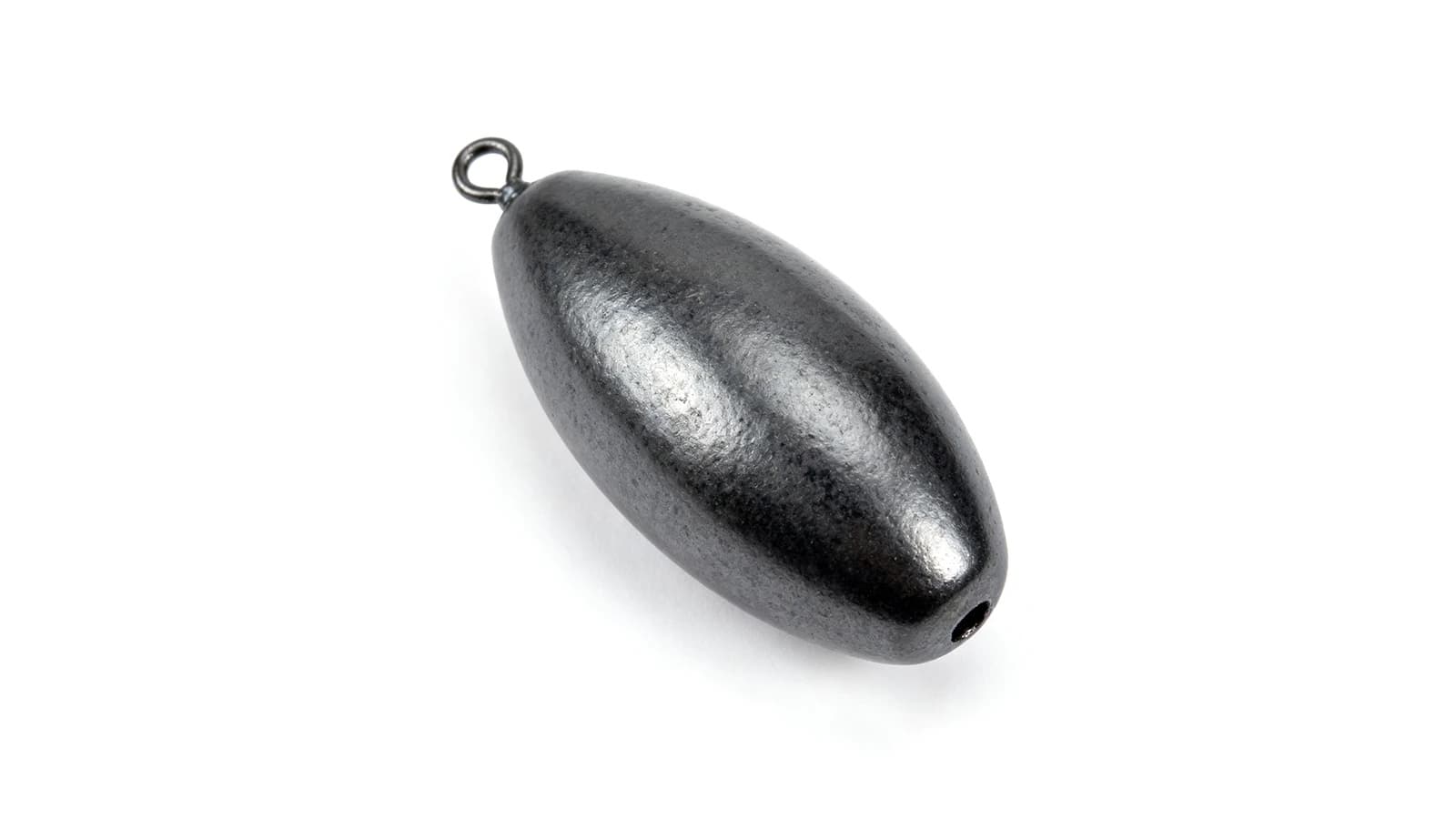
Deep Sea Fishing Sinkers
Materials: High-density PM tungsten alloy (lead-free)
Ultra-high density for rapid descent, saltwater corrosion resistance, custom shapes (cylindrical, torpedo, ball), high abrasion resistance
View Details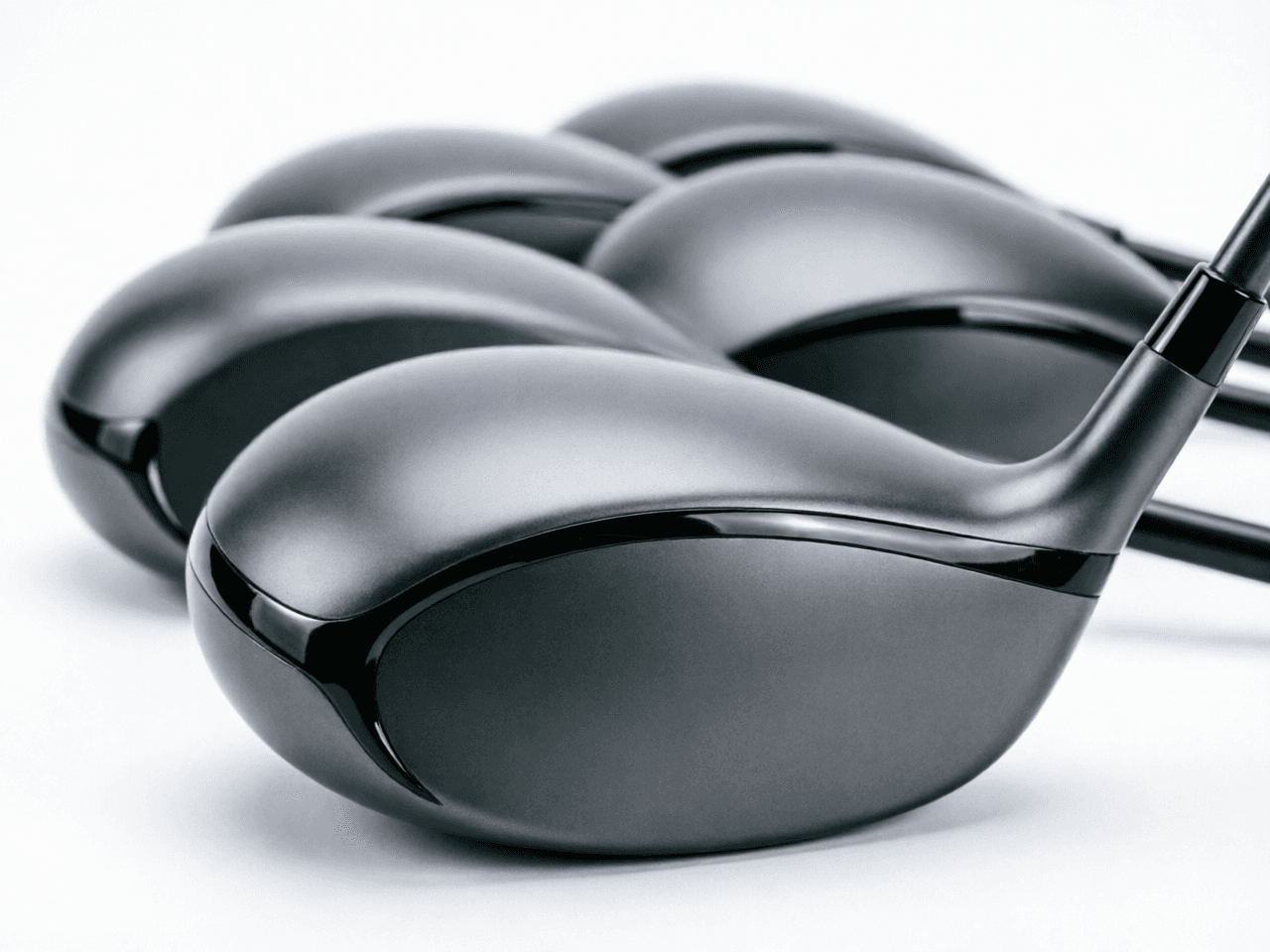
Golf Club Head
Materials: High-density PM/MIM alloys
Uniform density with precise CG placement, complex cavity and variable wall thickness designs, compatible with CNC machining, finishing and plating
View Details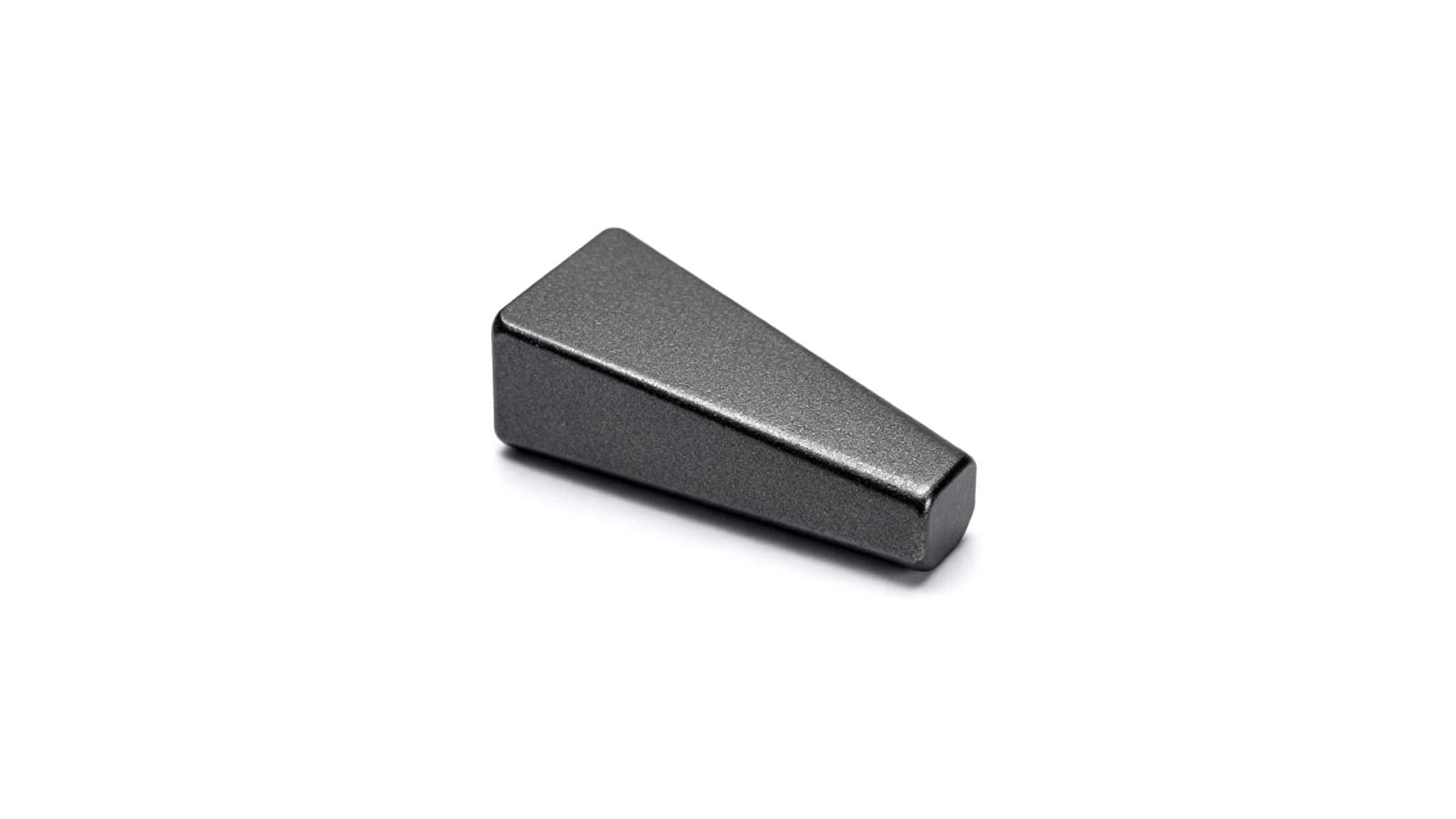
Golf Club Weight
Materials: High-density tungsten alloy (14–18 g/cm³)
Tight tolerances, multiple shapes (plugs, screws, inserts), corrosion-resistant Ni/Cr/PVD finishes, superior impact strength
View Details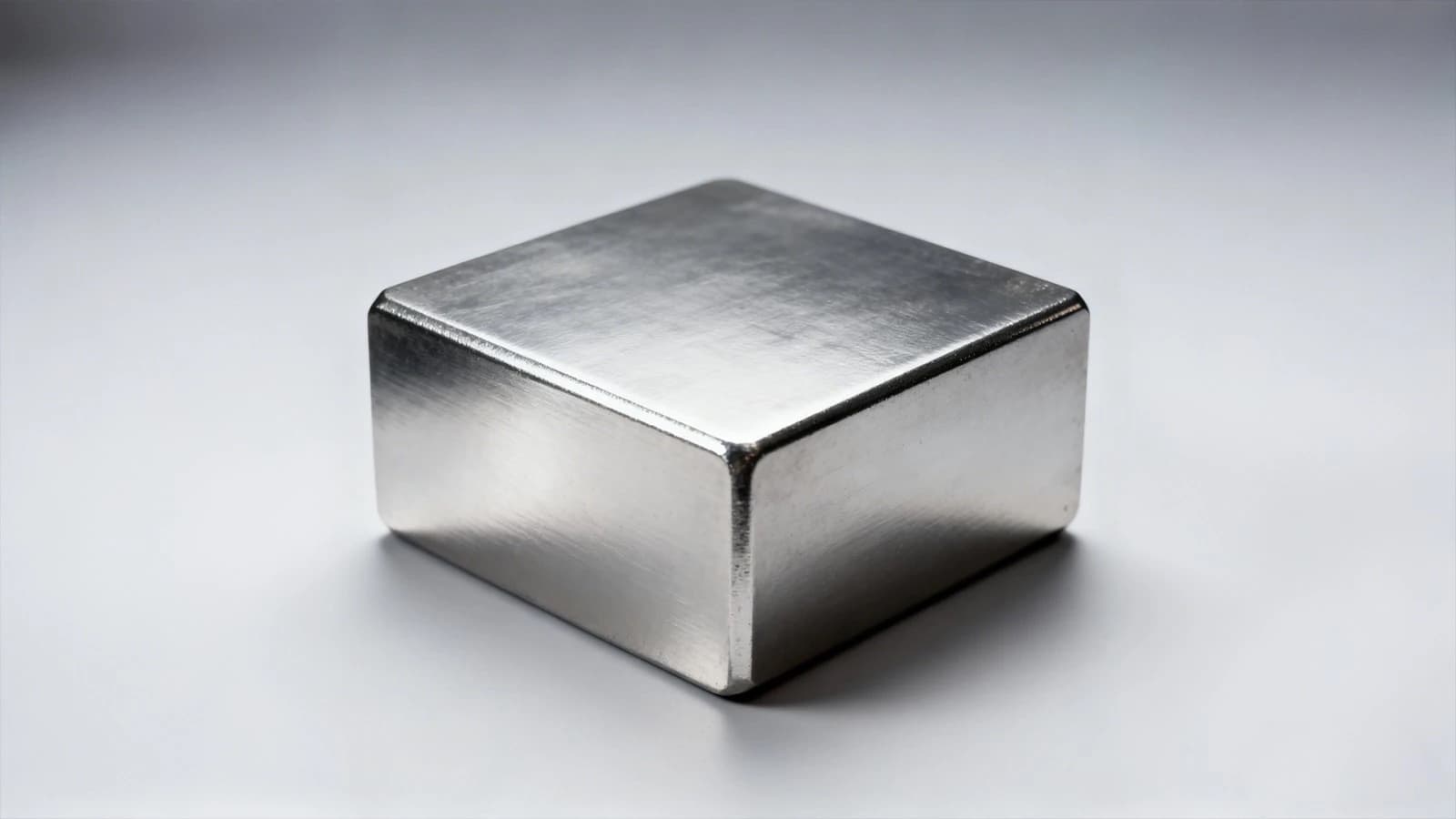
High Density Tungsten Weights
Materials: W-Ni-Fe, W-Ni-Cu tungsten heavy alloys
Density up to 18.5 g/cm³, near-net-shape forming, custom geometries (rods, plates, discs, blocks), Ni/Cr/PVD finishing options
View Details