
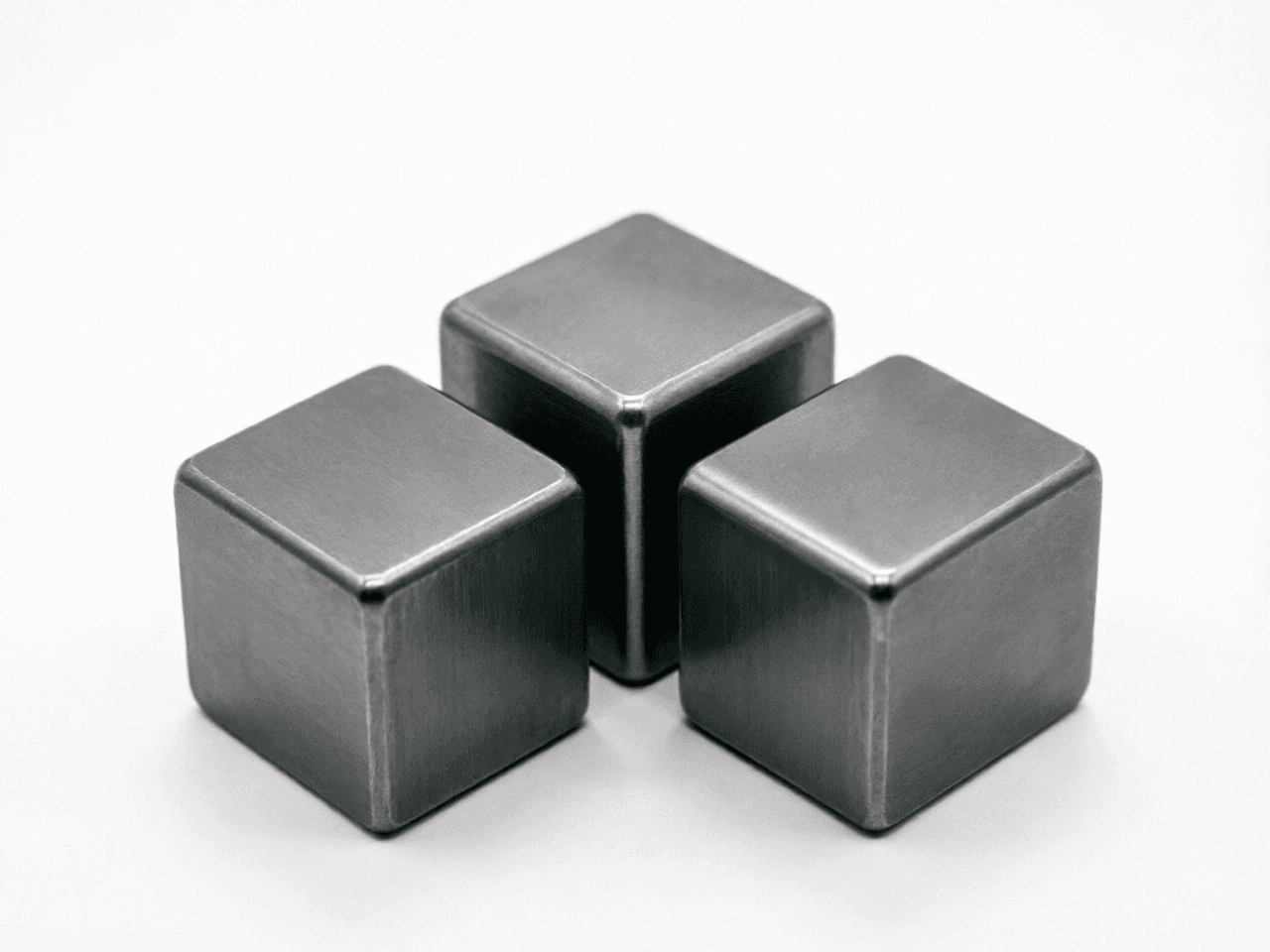
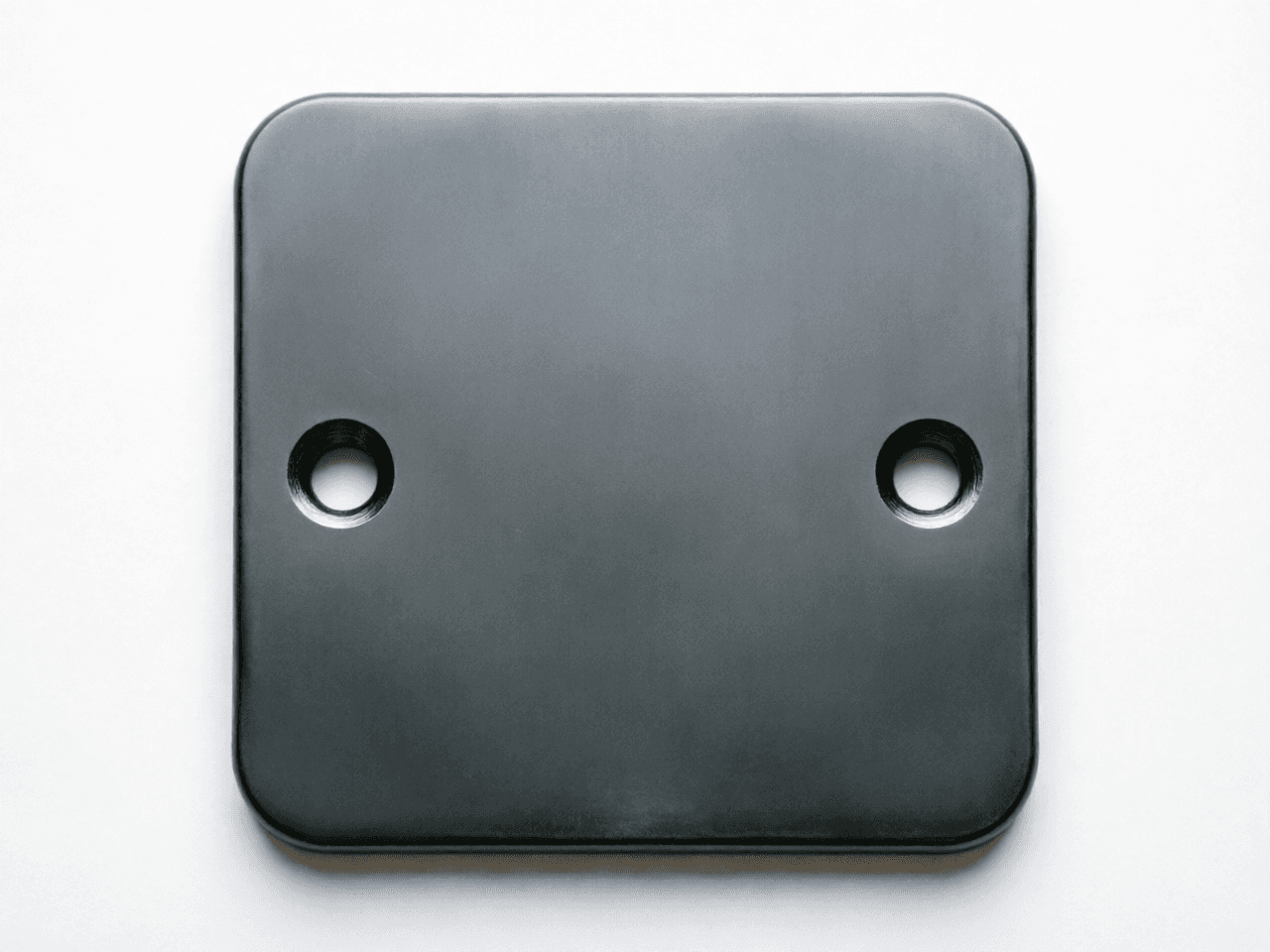
Tungsten Alloy Balance Counterweight
W-Ni-Fe (Class 1-4) balance counterweights for static and dynamic structural balancing in modern aviation — meticulous center-of-gravity management within highly confined structural envelopes.
- Materials
- W-Ni-Fe (Class 1-4) tungsten heavy alloy
- Features
- Density 17.0–18.5 g/cm³, tensile strength ≥700–900 MPa, custom plates/curved bars/segments, hardness 24–32 HRC
- Application
- Flight control surfaces (ailerons, elevators, rudders), helicopter rotor blade balancing, commercial aviation CG management, military aerospace.
Specifications
| Parameter | Value |
|---|---|
| Material Grade | W-Ni-Fe (Class 1-4) |
| Density | 17.0 – 18.5 g/cm³ |
| Tensile Strength | ≥ 700 – 900 MPa |
| Elongation | ≥ 10 – 15 % |
| Surface Hardness | 24 – 32 HRC |
Frequently Asked Questions
What materials and process are used for Tungsten Alloy Balance Counterweight?
Tungsten Alloy Balance Counterweight is made from W-Ni-Fe (Class 1-4) tungsten heavy alloy and is formed by MIM/PM (metal injection molding / powder metallurgy) near-net-shape and sintered to a relative density of ≥ 98%, which keeps mechanical properties close to wrought material.
What are the key specifications of Tungsten Alloy Balance Counterweight?
Typical specifications: Material Grade: W-Ni-Fe (Class 1-4); Density: 17.0 – 18.5 g/cm³; Tensile Strength: ≥ 700 – 900 MPa. The full parameter list is in the specifications table on this page; custom requirements can be discussed against your drawing.
What is the MOQ and lead time for Tungsten Alloy Balance Counterweight?
MOQ is 1000 pcs. Mold lead time is about 20 days (mold fee typically RMB 20–40k depending on part geometry), and production lead time is about 7 days once the mold is validated; secondary processing adds 3–5 days.
Related Products
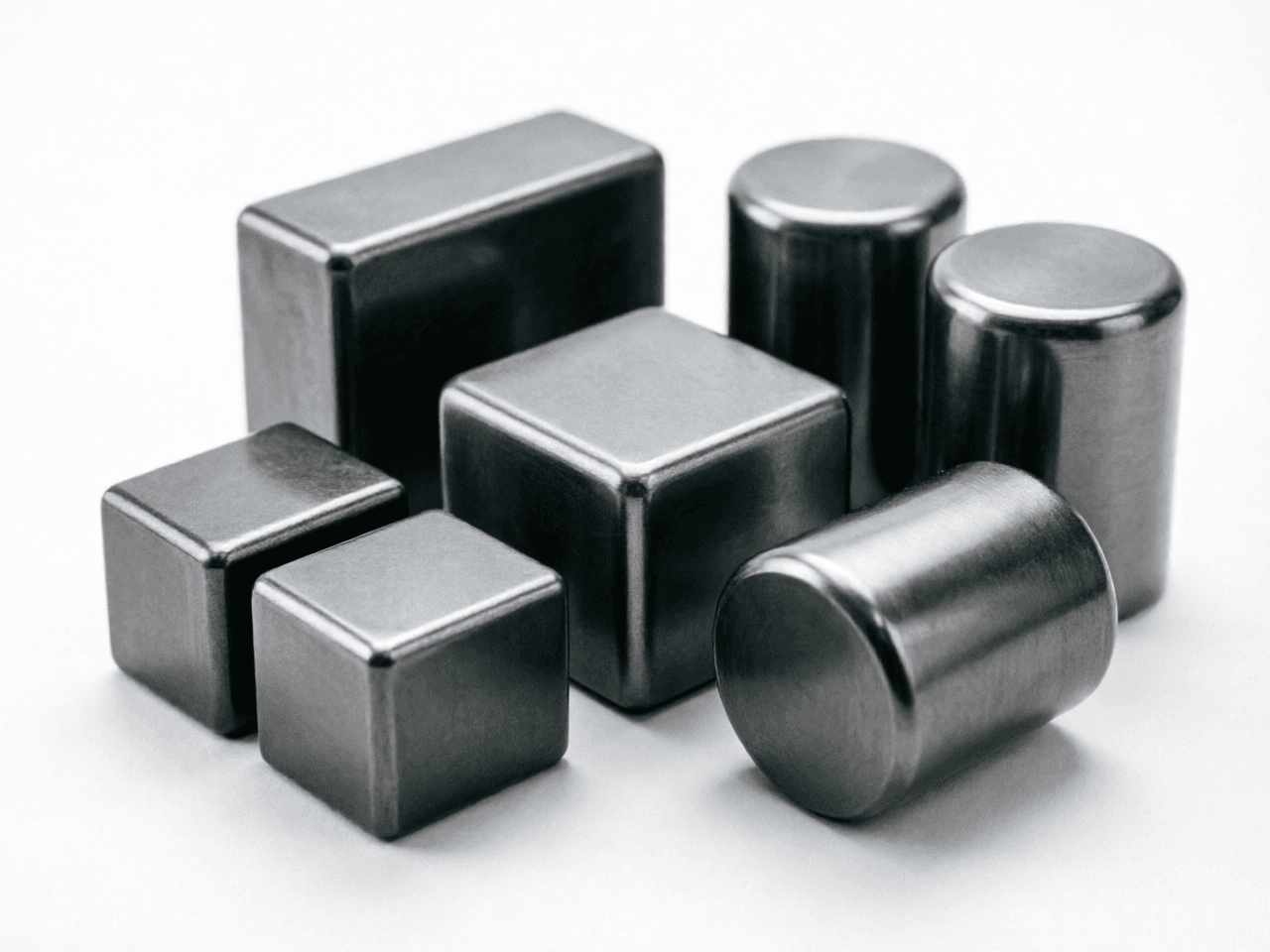
Tungsten Alloy Counterweight
Materials: W-Ni-Cu, W-Ni-Fe
High density, good corrosion resistance
View Details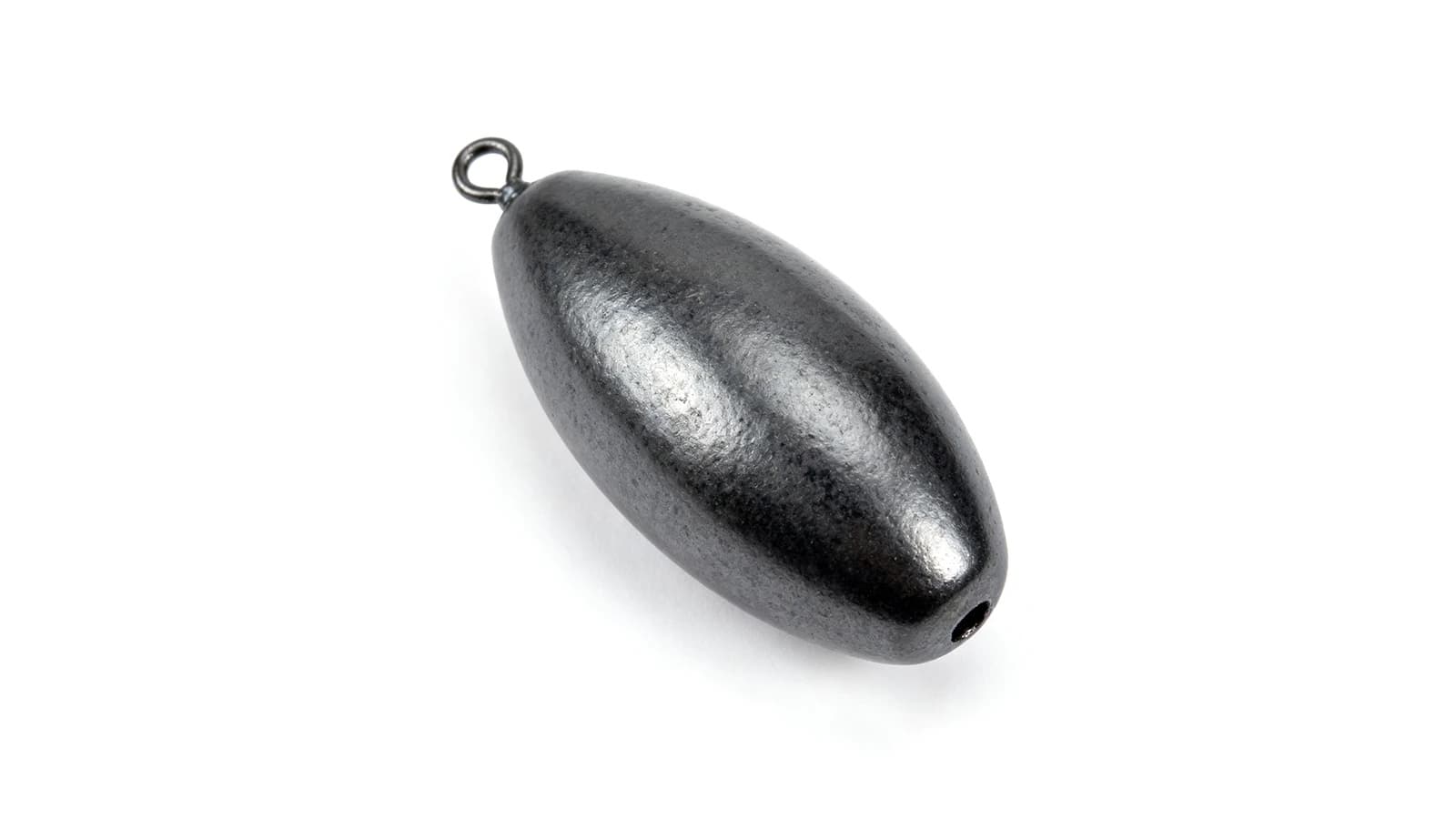
Deep Sea Fishing Sinkers
Materials: High-density PM tungsten alloy (lead-free)
Ultra-high density for rapid descent, saltwater corrosion resistance, custom shapes (cylindrical, torpedo, ball), high abrasion resistance
View Details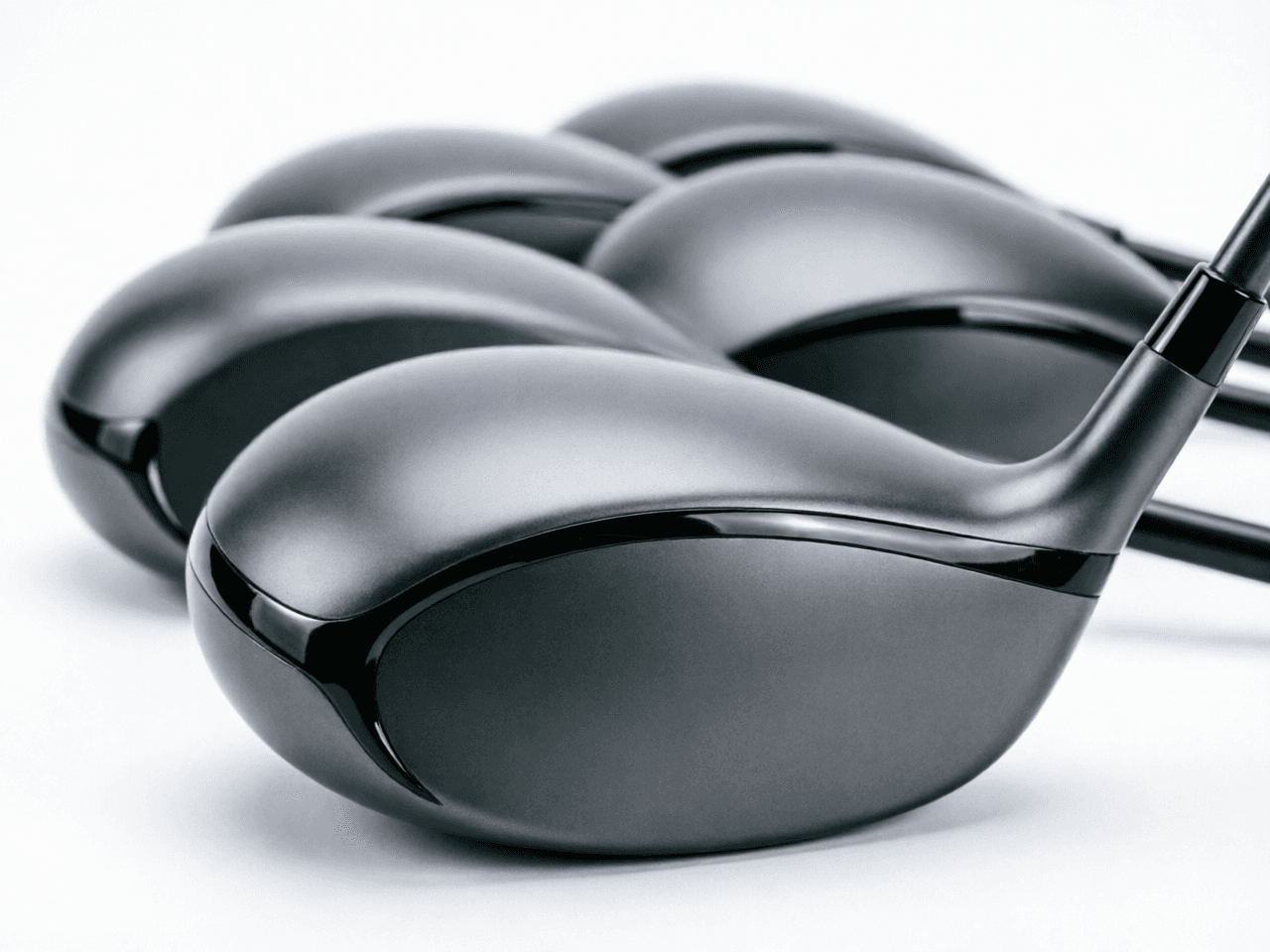
Golf Club Head
Materials: High-density PM/MIM alloys
Uniform density with precise CG placement, complex cavity and variable wall thickness designs, compatible with CNC machining, finishing and plating
View Details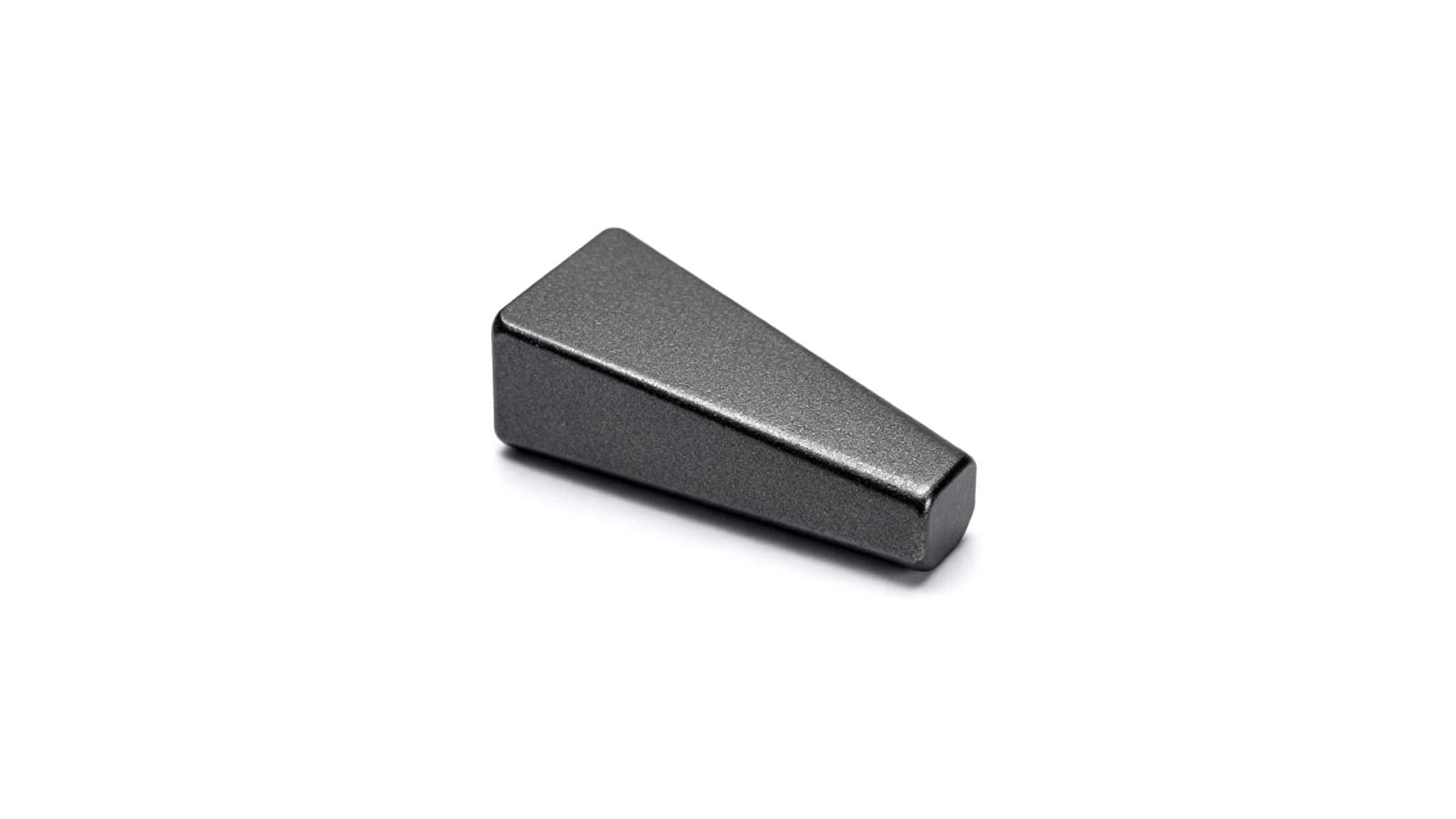
Golf Club Weight
Materials: High-density tungsten alloy (14–18 g/cm³)
Tight tolerances, multiple shapes (plugs, screws, inserts), corrosion-resistant Ni/Cr/PVD finishes, superior impact strength
View Details