
Draft Mandatory Standards for Low-Voltage Electrical Contacts Solicit Opinions, Completing the Basic Threshold of the Electrical Safety Chain_Terminal Equipment_National Standards_Components
Published:
This article is reposted by Newlife - MIM, and the copyright belongs to the original author; the original link can be found at the end of the article under "Sources".
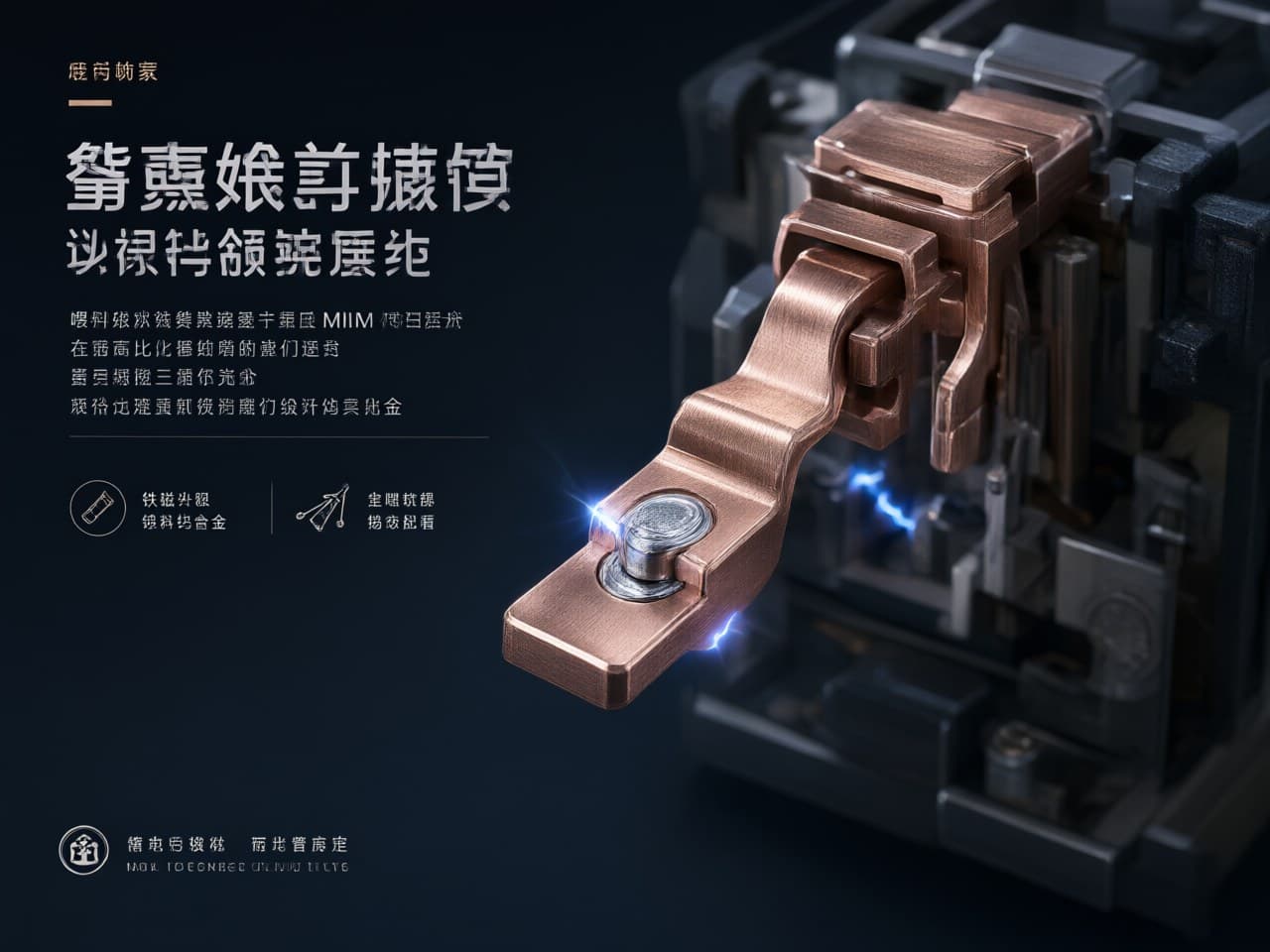
The State Administration for Market Regulation (SAMR) has recently solicited public opinions on 23 proposed mandatory national standard projects, including the "General Safety Technical Specifications for Low-Voltage Electrical Contacts." Although low-voltage electrical contacts are located at the foundational level of electrical equipment, they directly affect the conductivity, switching, and durability performance of products such as switches, relays, and contactors. Once the quality is unstable, it may bring risks of overheating, failure, and safety hazards.
Electrical safety supervision is extending from terminal equipment to basic components. In the past, the market paid more attention to complete equipment certification and product sampling inspections. However, the material consistency, contact resistance, arc resistance capability, and endurance testing of key components such as electrical contacts will affect the long-term operation of downstream equipment. The proposed mandatory standards mean that basic components will also be included in clearer safety boundaries.
According to the business information platform Tianyancha, there are currently over 1.28 million electrical equipment-related enterprises in China, with approximately 96,000 newly registered related enterprises since 2026. Behind this huge number of industrial entities is the downstream demand for multiple categories such as power distribution equipment, low-voltage electrical appliances, industrial control, household appliances, and new energy equipment.
Tianyancha shows that the number of electrical appliance manufacturing-related enterprises in China continues to grow. The beneficiaries include material suppliers, low-voltage electrical appliance manufacturers, testing and certification agencies, and high-end manufacturing enterprises; while those under pressure are small and medium-sized suppliers that rely on low-priced materials and lack endurance testing and quality traceability.
The standardization of low-voltage electrical contacts seems to be a niche field, but it will affect the entire electrical safety chain. For downstream equipment manufacturers, the more transparent the quality of basic components, the easier it is to control the reliability of the complete equipment; for the market, mandatory standards will promote the industry to shift from competing on price to competing on stability and consistency.
Against the backdrop of the continuous expansion of new energy, industrial automation, and smart buildings, the application scenarios for low-voltage electrical appliances are becoming more complex, with higher start-stop frequencies. If basic components cannot match the durability requirements of new scenarios, the safety risks of terminal equipment will be amplified. Therefore, moving standards forward is not only a regulatory action but also a necessary make-up lesson for industrial upgrading.
Sources
- sohu.com (2026-10-13) - Original link: Draft Mandatory Standards for Low-Voltage Electrical Contacts Solicit Opinions, Completing the Basic Threshold of the Electrical Safety Chain_Terminal Equipment_National Standards_Components - https://sohu.com/a/1087566661_114984