
China Humanoid Robot Makers Chase Mass Adoption
Published:
Republished by Newlife - MIM. All rights belong to the original publisher; see Source below.
China’s humanoid robot makers showcased advanced machines at Beijing’s World Robot Conference. The event highlighted China’s growing ambitions across the rapidly developing global robotics industry. Investor interest has also increased as robotics becomes an important technology and investment sector.
Unitree’s shares surged nearly sixfold during its Shanghai trading debut on Wednesday. Many companies now seek customers beyond small pilot programs and technology demonstrations. Their next challenge involves proving reliable performance across real workplace environments.
China’s Robotics Industry Targets Commercial Growth
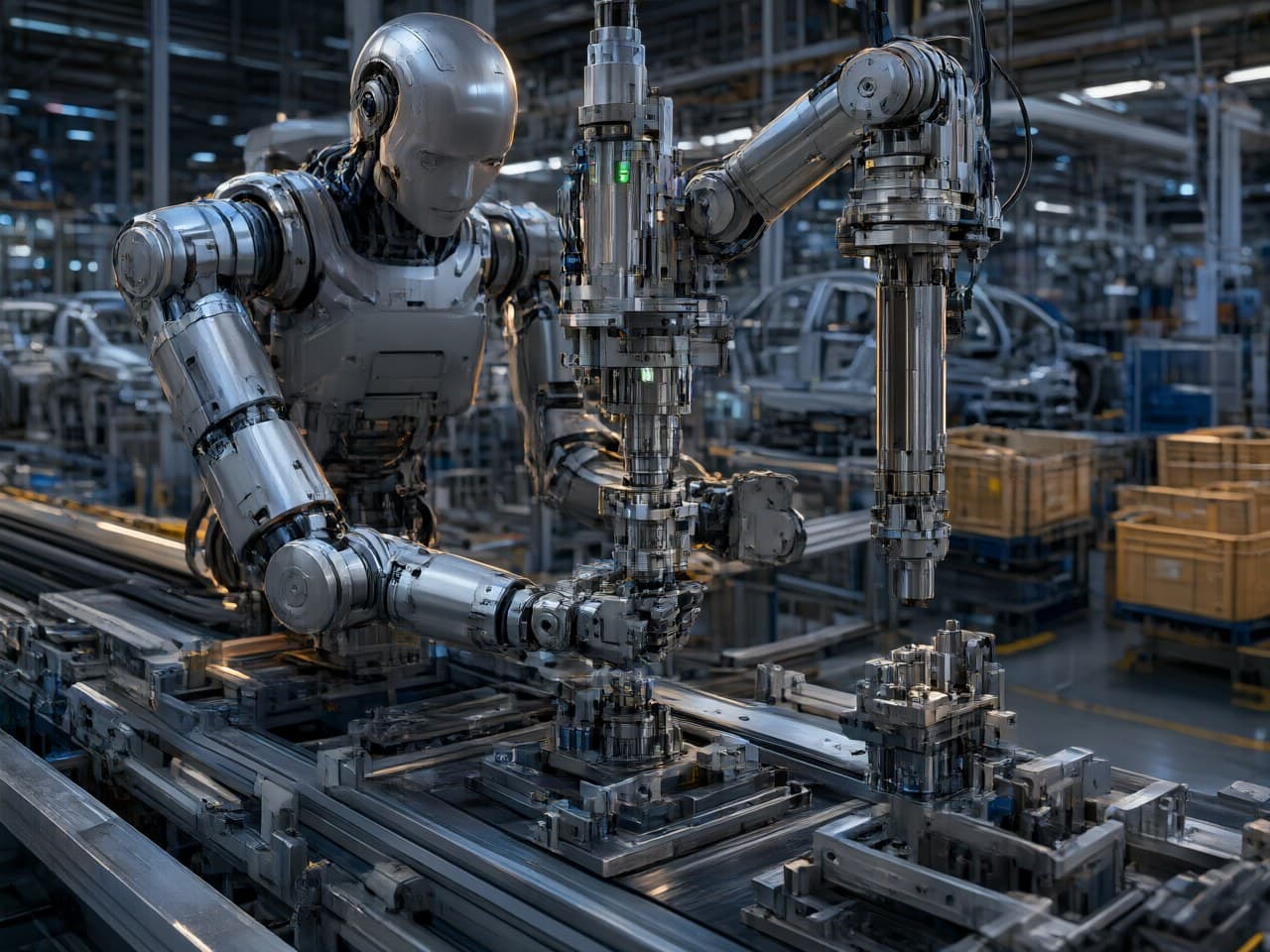
Chinese robotics companies increasingly target logistics, manufacturing, education, and service industries with practical applications. Leju, for instance, showcased robots sorting crates and handling small industrial components. The company said several European factories and Chinese auto plants already use its robots.
These machines reportedly move boxes, load components, and complete other factory-related tasks. Robotera also demonstrated a humanoid torso designed for parcel sorting operations. Its representative said the robots operate continuously for about 900 to 1,000 hours. The company also claimed its robots reach around 85% of human worker effectiveness.
Competition Strengthens China’s Robotics Sector
China’s robotics industry now shows similarities with the country’s earlier electric vehicle expansion. Numerous companies have entered the sector quickly, creating intense competition across the market. Industry executives believe this competition could strengthen technology and manufacturing capabilities.
Strong rivalry could also encourage companies to reduce costs and improve robot performance. At the same time, intense competition may create financial pressure for smaller manufacturers. Companies must balance rapid development with sustainable business models and long-term customer demand.
Humanoid Robots Face Adoption Challenges
Global humanoid robot shipments nearly quadrupled during the first half of this year. Shipments reached 19,100 units, with Chinese manufacturers dominating the growing global market. Rising shipments show strong industry momentum and increasing production capabilities among manufacturers. Yet shipment growth does not always represent widespread commercial use among paying customers.
Robotics analyst Georg Stieler estimates that many robots could enter data factories. These facilities mainly use robots to collect training data rather than perform productive customer work. The industry still needs stronger evidence that humanoid robots can deliver meaningful business results.
China’s humanoid robot industry has entered an important stage of commercial development. Manufacturers now need to prove value beyond impressive demonstrations and limited pilot programs. Strong competition could accelerate technological progress while encouraging more affordable production.
Businesses will also demand reliable performance before committing to large-scale deployments. Practical applications, productivity gains, and lower costs will shape future demand. China’s robotics boom shows strong momentum while facing a critical test of commercial sustainability.
Source
- theleadersglobe.com (2026-08-19) - Original article: China Humanoid Robot Makers Chase Mass Adoption - The Leaders Globe Media